Pergolas in Oakville
Custom Pergola Design And Construction
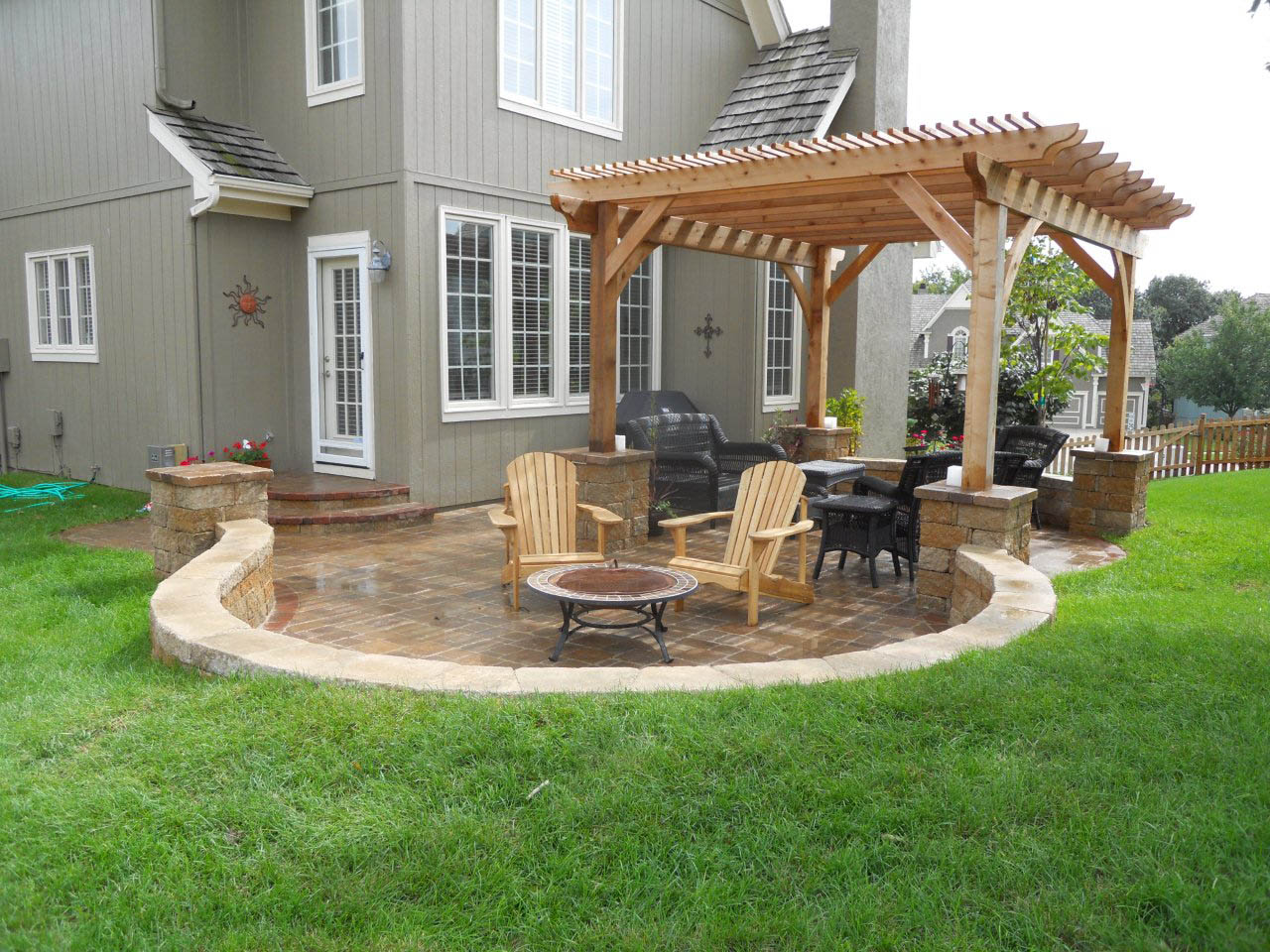
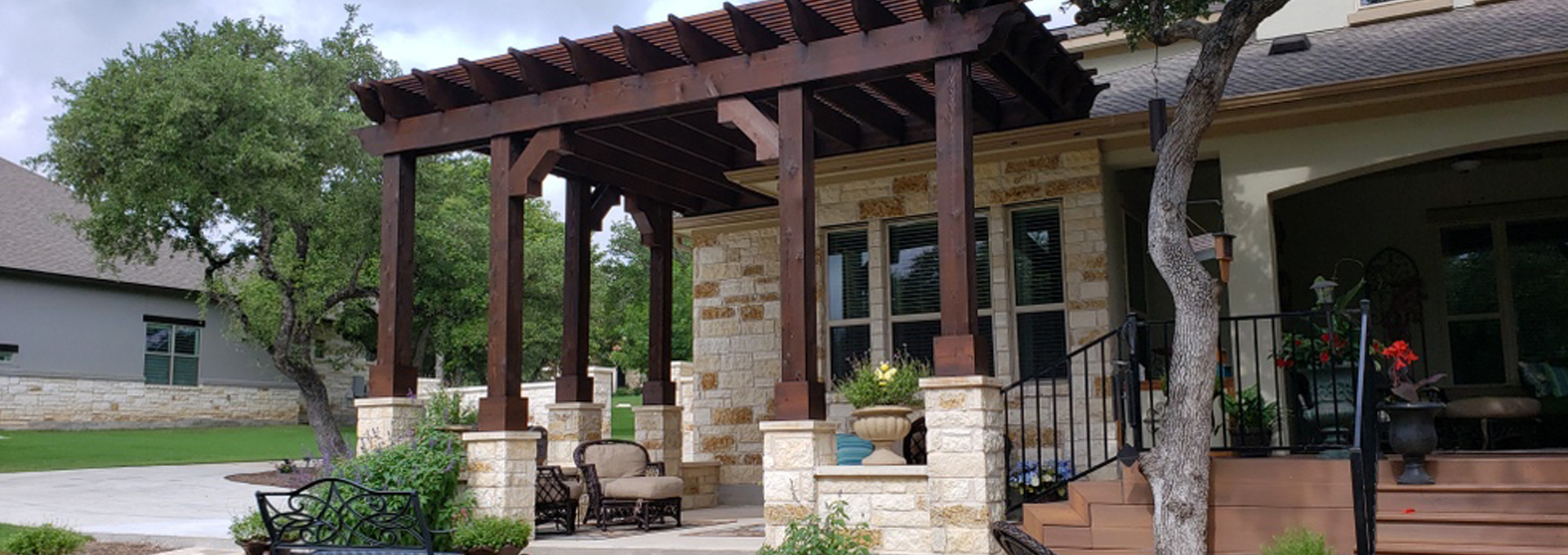
At Archadeck of Southwest GTA, pergolas are designed as permanent outdoor structures that improve how a yard, patio, or deck is used. A well planned pergola adds shade, defines outdoor living areas, and creates a space for seating, dining, or relaxing. The design process focuses on how the structure will fit your home, your yard layout, and how the space will be used throughout the year.
Many homeowners add pergolas to reduce direct sun exposure over patios and decks. Others use pergolas to create a defined outdoor dining area or a separate space away from the main house. Each pergola is planned based on property layout, sun direction, and how the structure will connect to existing outdoor features such as walkways, decks, or landscaping.
Planning A Pergola Project
Planning is one of the most important steps in building a pergola. The location, size, and orientation of the structure all affect how much shade it provides and how comfortable the space will be. The spacing of rafters, height of the structure, and direction it faces all influence sun coverage and airflow.
Structural planning is also important. Pergolas must be properly anchored and supported to handle wind and seasonal weather. Footings, post size, and connection points are selected based on soil conditions, structure size, and whether the pergola is attached to the house or freestanding. Proper planning helps prevent movement, sagging, or long-term structural issues.
Stop retreating indoors when the sun hits your patio-reclaim your backyard with a custom-shaded pergola designed for maximum comfort. Contact us to get started online or call (877) 362-5802
Pergola Styles And Material Options
Pergolas can be built from several types of materials, and each option affects maintenance and appearance. Wood pergolas provide a traditional look and can be painted or stained to match the home. Composite and other low-maintenance materials provide durability and typically do not require regular painting or staining.
Design details also affect the final appearance. Beam size, rafter spacing, post trim, and decorative ends all change the overall style of the structure. Some pergolas are designed to provide more shade, while others are designed to create an open structure that defines space without blocking too much light.
Some common pergola options include:
- Attached pergolas connected to the house
- Freestanding pergolas placed in a yard or garden area
- Pergolas built over patios or decks
- Pergolas designed for outdoor dining areas
- Pergolas designed for seating and lounge areas
- Pergolas with lighting, fans, or privacy screens
Pergola Design And Build Process
Building a pergola involves several steps that must be completed in the correct order to ensure the structure is stable and built correctly. The process typically includes site evaluation, design planning, material selection, and construction.
The general pergola construction process includes:
- Property review and site evaluation
- Custom design and layout planning
- Review of materials and structural requirements
- Permit review if required
- Site preparation and footing installation
- Post and beam installation
- Rafter installation and structural connections
- Final inspection and project review
Following a structured process helps ensure each part of the pergola is completed correctly and meets structural requirements.
Benefits Of Adding A Pergola
A pergola helps define outdoor space and can make a patio or yard more comfortable during warmer months. By creating partial shade, a pergola can reduce direct sunlight while still allowing airflow and natural light. Pergolas can also be used to create separation between different outdoor areas, such as dining spaces, seating areas, and walkways.
In addition to comfort, pergolas can improve how outdoor space is organized. When placed correctly, the structure can connect the house to a patio, frame a garden area, or create a focal point in the yard.
Frequently Asked Questions
1. Do I need a permit for a pergola?
Permit requirements depend on the size of the pergola, its location on the property, and whether it is attached to the house. Some structures require permits and inspections to confirm they meet local building requirements.
2. How long does pergola construction usually take?
Construction time depends on the size, design, and site conditions. Most pergola projects take several days to complete once construction begins, not including design and permit approval time.
3. Can a pergola be built on an existing deck?
A pergola can sometimes be built on an existing deck if the deck structure is strong enough to support the additional weight. Structural reinforcement may be required in some cases.
4. What materials are best for low maintenance?
Composite and other low-maintenance materials are often used when the goal is to reduce painting, staining, and long-term upkeep.
5. How is a pergola anchored to the ground?
Pergolas are typically anchored using concrete footings, post anchors, or structural connections to an existing deck or patio foundation to keep the structure stable.
Long-Term Use And Property Improvement
A pergola is a permanent structure that should be planned based on how the outdoor space will be used over time. Placement, size, and materials all affect how well the structure performs and how much maintenance it will require. When properly designed and built, a pergola provides shade, defines outdoor living space, and improves the overall layout of a yard or patio area. Archadeck of Southwest GTA focuses on building pergolas that are structurally sound, properly planned, and designed to fit the layout of each property.
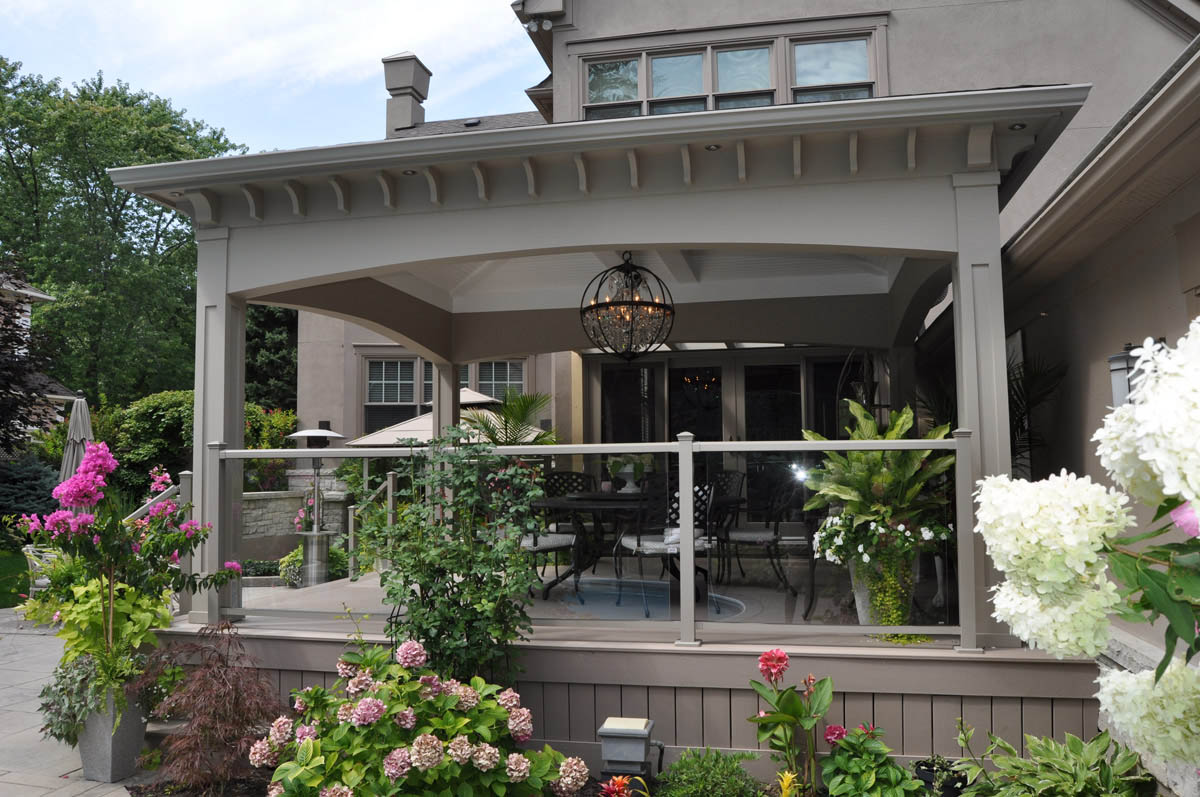
Ditch the one-size-fits-all kits and visualize a bespoke pergola that perfectly mirrors your home's unique architecture. Contact us to get started online or call (877) 362-5802
.jpg)