Most people know that "built to code" is a good thing. After all, it’s how you can be confident that, for example, a hotel balcony on the fifth floor will hold your weight. But when it comes to the particulars of what building codes actually prevent, the details can get a bit fuzzy.
As one of the Roanoke deck companies that deals with permits and inspections on every project, we would like to walk through what code really means, and why it matters when you're paying for a deck or porch.
The short version is that building codes exist because things go wrong when they're ignored. Decks collapse when footings aren't deep enough or ledger boards aren't attached correctly. Porch roofs leak and cause water damage when flashing isn't handled properly. Stairs become tripping hazards when the rise and run aren't consistent.
These are not hypothetical problems, either. Every line of the building codes in Roanoke exists because someone, somewhere, ran into one of these problems.
Why Roanoke Deck Contractors Pull Permits
On some level pulling permits might look like bureaucracy. But if you set aside the paperwork for a minute, it’s really about getting someone else to inspect the work and make sure it’s been built well. When we pull a permit for a project in Roanoke or anywhere else in the area, an inspector comes out to verify the details of the build such as the footings and the framing, and sign off on the finished structure.
Having an inspector keep an eye on the build is a great way to catch problems before they become disasters. It’s tempting to skip permits, but doing so is risky because it means trusting everything was done correctly without any verification. And everyone makes mistakes. It’s better not to find out about them the hard way.
But even if you ignore safety for a second, there are also financial reasons to go through permitting. If you go to sell your house, you might have a buyer ready to go, and they’ll hire a home inspector. Then the inspector comes over and finds unpermitted work. That can prevent a home sale, or at least give them leverage to bargain down the price.
The bottom line is that if you're researching quality decks or porch builders, understanding permits is part of that equation.
Codes are very good about taking common failure modes for structures and implementing requirements that prevent them. A few examples come to mind including:
- Requiring railing heights and baluster spacing to be done in such a way that people (including kids) are prevented from falling through or over.
- Making sure stairs are spaced evenly from step to step, so you never have to guess where to put your foot. (Who hasn’t had the experience of expecting a stair that wasn’t there, and tripping on air?)
- Ensuring handrails are reachable for people who need the support.
- Confirming that ledger boards can handle the load without pulling away from the house.
None of this is optional in Roanoke building code. It's required because skipping it has hurt people in the past.
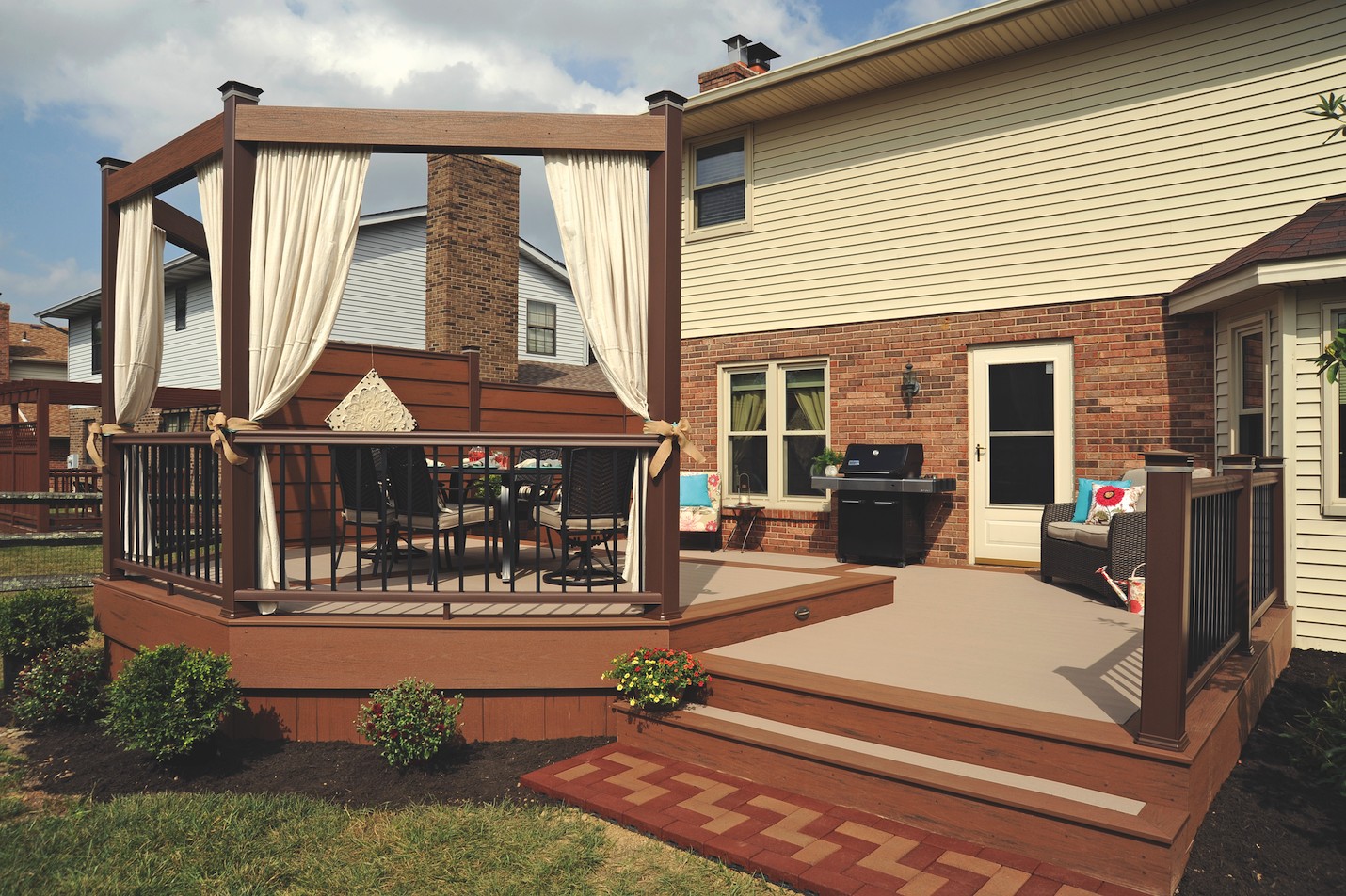
Why Indiana-Specific Knowledge Matters for Roanoke Deck Builders
Codes aren't the same everywhere, and there's a good reason for that. Different places introduce different build challenges, a fact largely influenced by weather and soil conditions.
Frost is a big issue for decks and porches in Indiana. When deck footings go into the ground, they need to be below the frost line. Around here, that means going into the ground often three feet or more. That’s not something you see so much in the South, but it’s very important around here.
Over winter, the ground will freeze and thaw. And this process can push shallow footings around over time. You can imagine what that could do to a deck given enough time. We’ll spare you the details and say, it’s not good.
Likewise, snow is heavy, especially when it sits on a roof. So porch roofs and pergolas need to be ready for those sorts of once-a-century storms that can quickly drop several feet of snow on top of every flat surface.
Roanoke porch contractors who've been working this area for years know these things instinctively. Someone coming in from out of state might hit the basic code requirements but miss the local details that keep a structure solid through a over a decade of Indiana winters.
When you're choosing a contractor, it's worth asking how familiar they are with local codes. The answer tells you whether they're building for this climate or just building the same way everywhere.
Building to Code is a Good Place to Start
Passing inspection is undeniably a good thing. It means that the structure is safe. But that doesn’t mean it's as solid or long-lasting as it could be.
Building codes should be treated like minimum requirements for safety. That’s why the most reputable Roanoke porch companies, Archadeck among them, often go beyond what's required. They’ll use tighter joist spacing so the deck doesn't bounce, larger footings for extra stability, and give more attention to flashing and water management. Those details pay off over years of use.
If you want a sense of what professional porch contractors bring to the table, we invite you to browse our porches gallery to see the finished results.
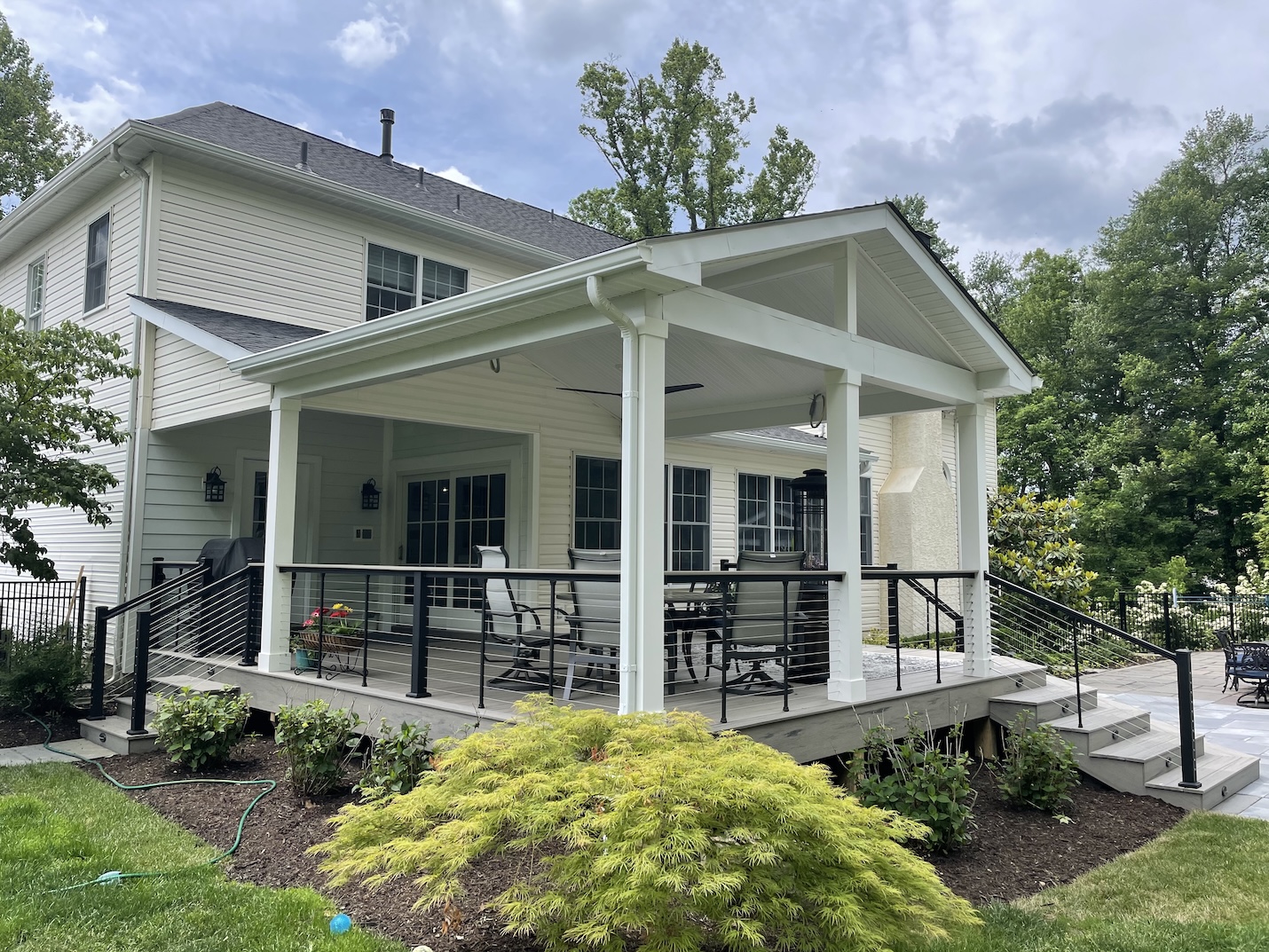
Let’s Build Something Beautiful, Together
You're going to spend real money on a deck or porch. You should be able to trust that it's safe for your family and guests, that it won't cause problems down the road, and that it was built to last in Indiana.
When it comes to building code, code compliance is the starting point. Working with a deck or porch contractor who understands code deeply—and chooses to exceed it—is how you get something that you know was built right.
If you are considering adding a deck or porch to your home, it would be our distinct pleasure to meet with you for a no-obligation complimentary design consultation. Call Craig Whitman, and his team, at 855-931-4746; or click this link right here to connect with us.