As experienced Fort Wayne Deck builders, we can tell you that when it comes to composite materials, misinformation often spreads faster than facts, leading many to believe these decks are plastic-looking, excessively hot, or prohibitively expensive.
But this is not the case. Let’s separate the myths from the reality so you can make an educated decision for your backyard.
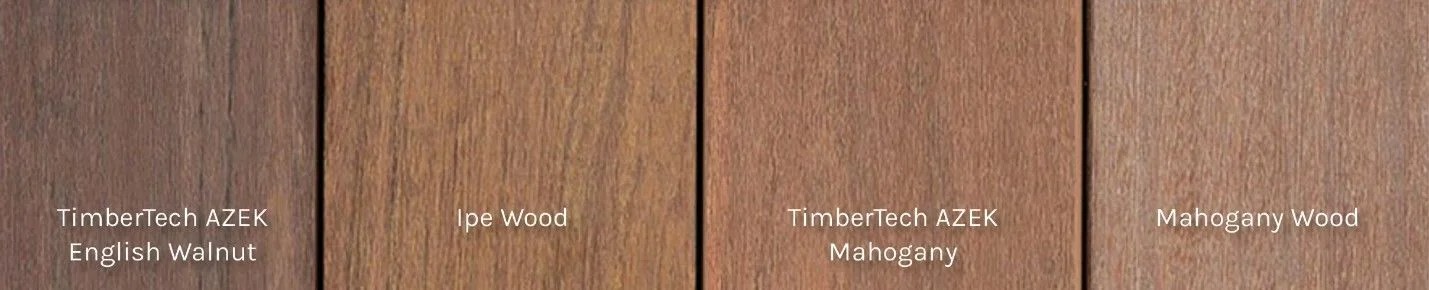
Myth #1: Composite Decking Looks Like Plastic
In the 1990s, this was more common. But a lot of time has passed since then, and technology has come a long, long way. Today’s high-quality composite deck boards are engineered with realistic wood grain embossing and complex, multi-tonal streaking that mimics the look of natural hardwoods.
When we create custom designs using modern composites, it is often difficult to distinguish them from natural wood until you actually touch the surface.
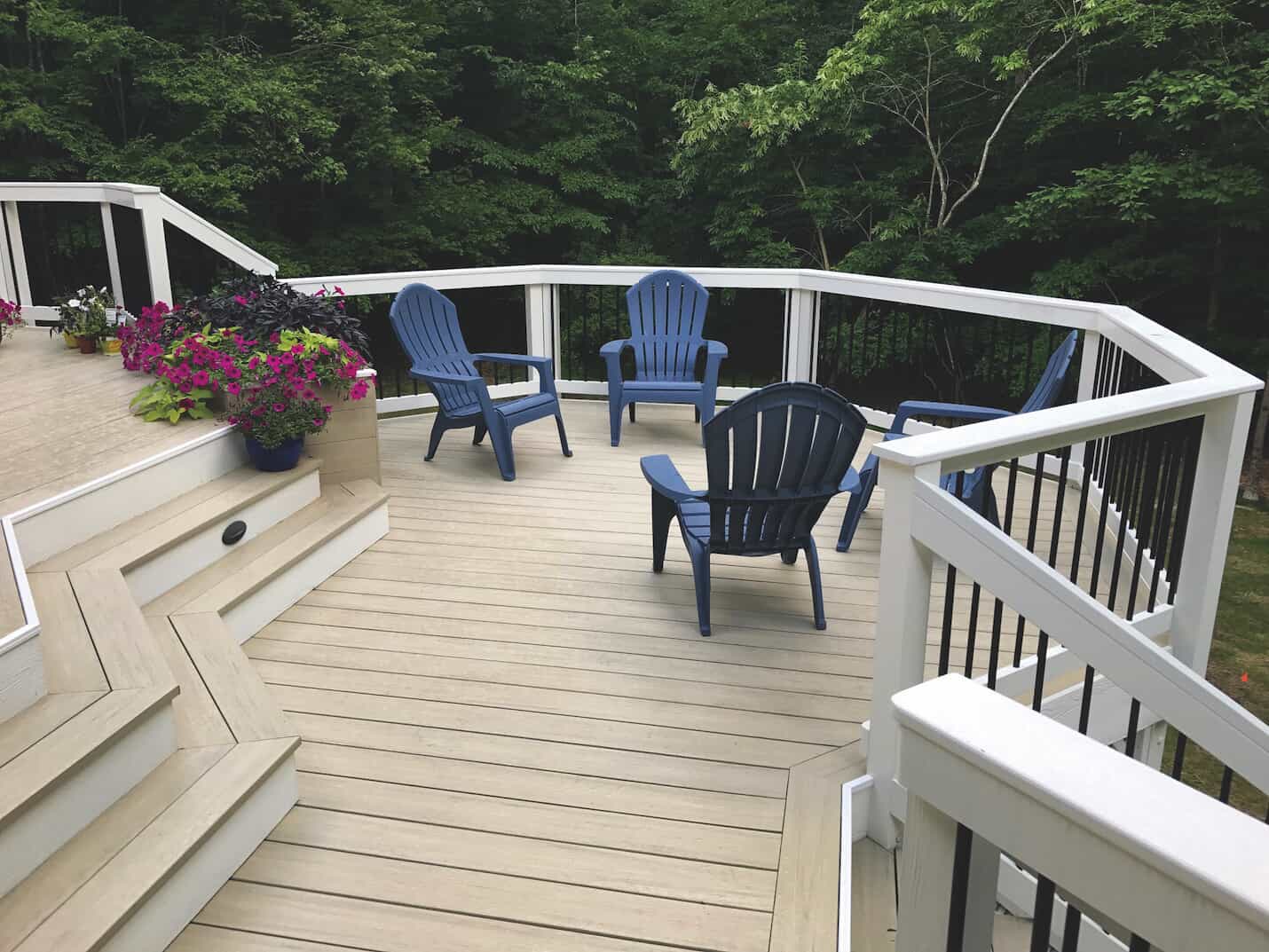
Myth #2: Composite Decking Gets Hotter Than Wood
No matter what kind of decking material you use, it’s going to absorb heat when exposed to direct sunlight. The laws of physics are awfully pesky in that regard, and as you might suspect, color is a big factor here.
Darker colors (like deep browns or dark grays) will always be hotter, whether they are wood or composite, because they absorb heat. On the flipside, lighter tones reflect more sunlight and stay cooler.
Even having said that, premium composites often have heat-mitigation technology built right into the capstock. That means new boards are a lot more likely to stay cooler underfoot.
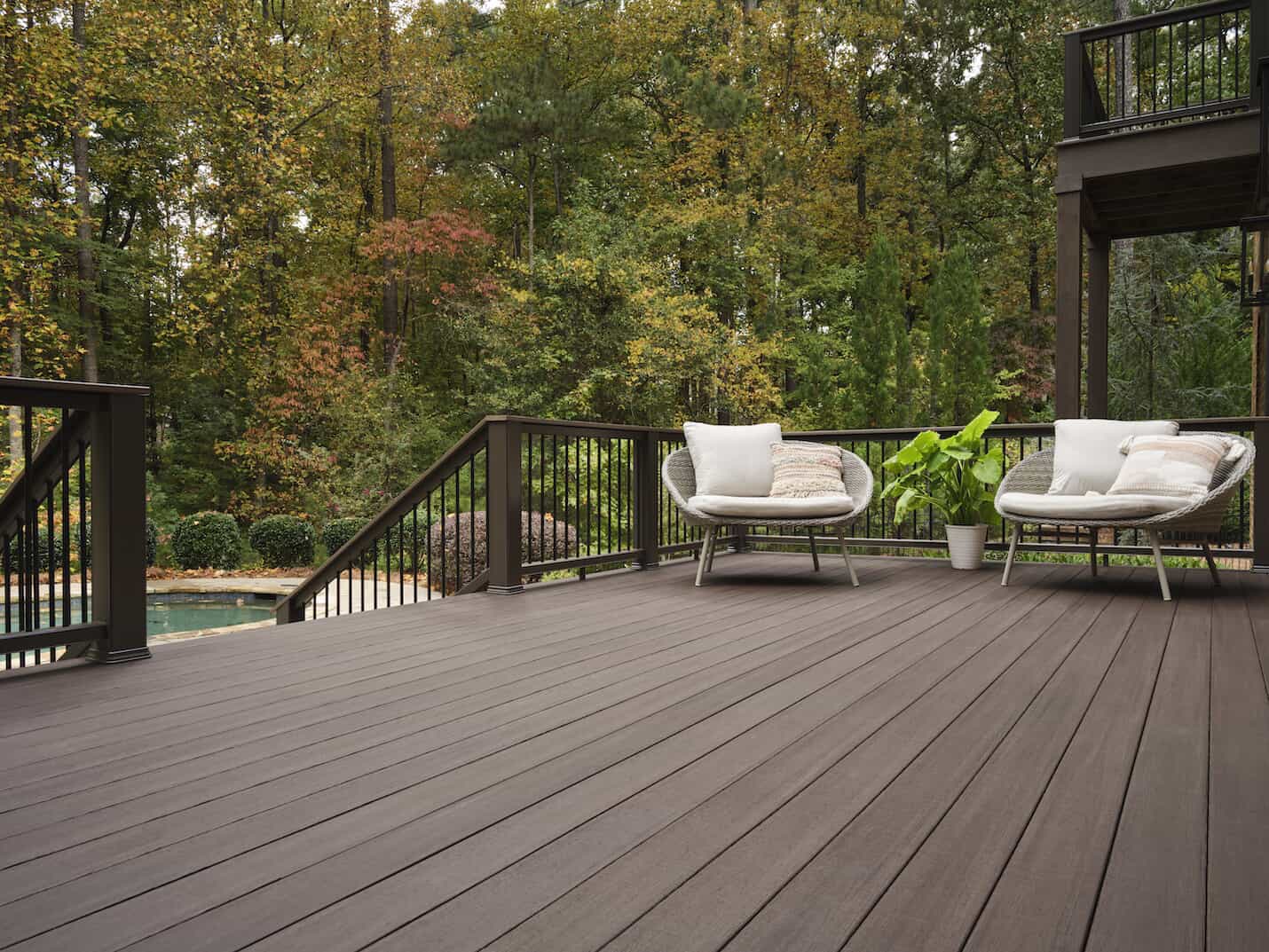
Myth #3: Composite Decking Is Maintenance-Free
It’s true that composite decking does need ongoing care to some degree. After all, it is low maintenance, not no maintenance. While you will never need to buy a can of stain or a sander again, you cannot ignore the deck entirely.
A simple soap and water rinse a few times a year keeps it looking fresh. Keeping leaves and pollen swept off prevents organic decay or mold growth on the surface. But beyond that, you won't have to contend with the labor-intensive chores of sealing, painting, or sanding.
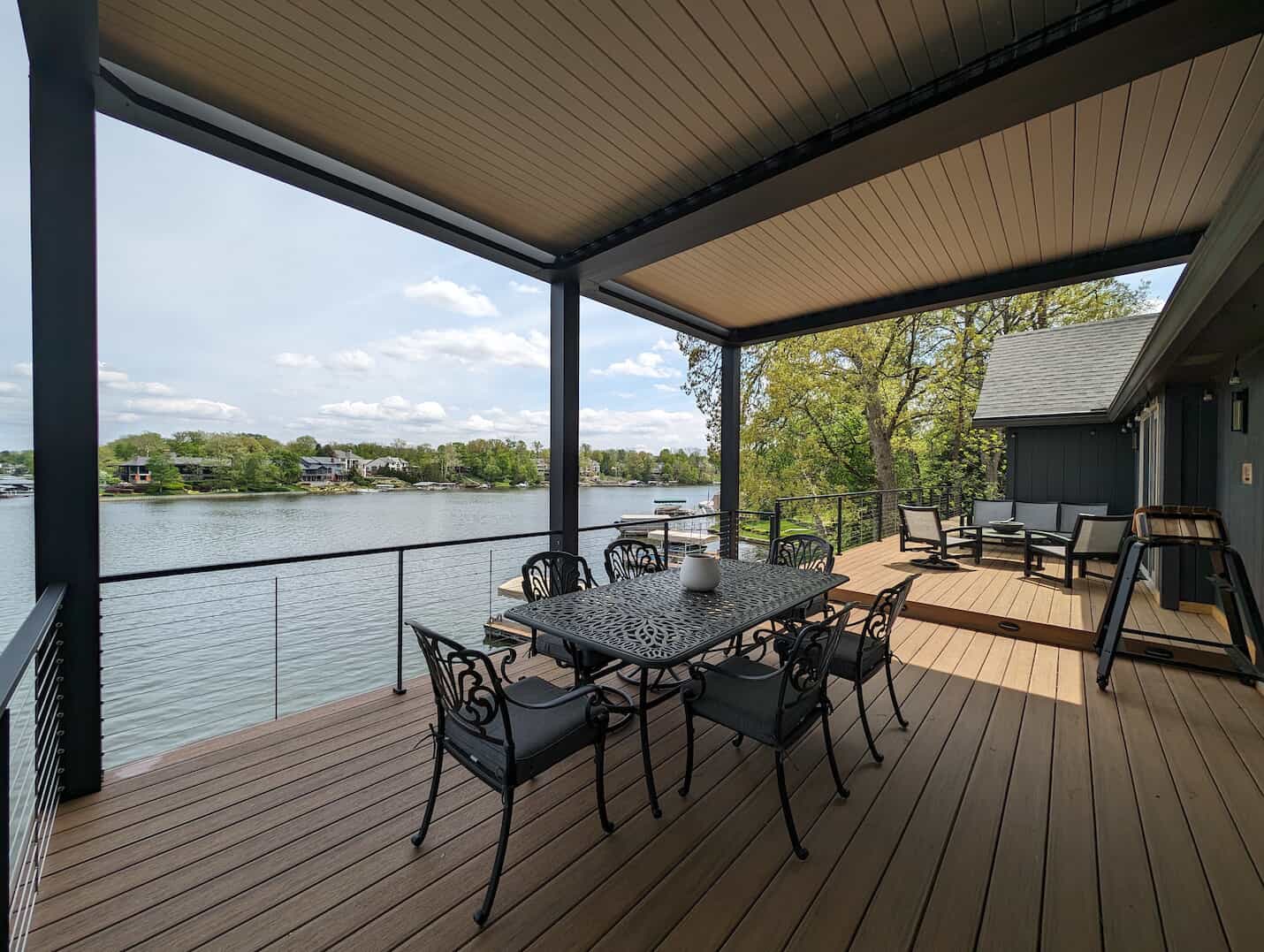
Myth #4: Composite Decking Is Slippery
Slip resistance is a major safety factor regulated by building codes. Quality composite boards are manufactured with textured surfaces designed from day one to provide better traction underfoot.
Oddly enough, composites tend to be less slippery than wood over time. When wood ages, algae tends to grow in the porous grain. And when it rains, it can become slick, and in colder temperatures, basically turn into an ice rink.
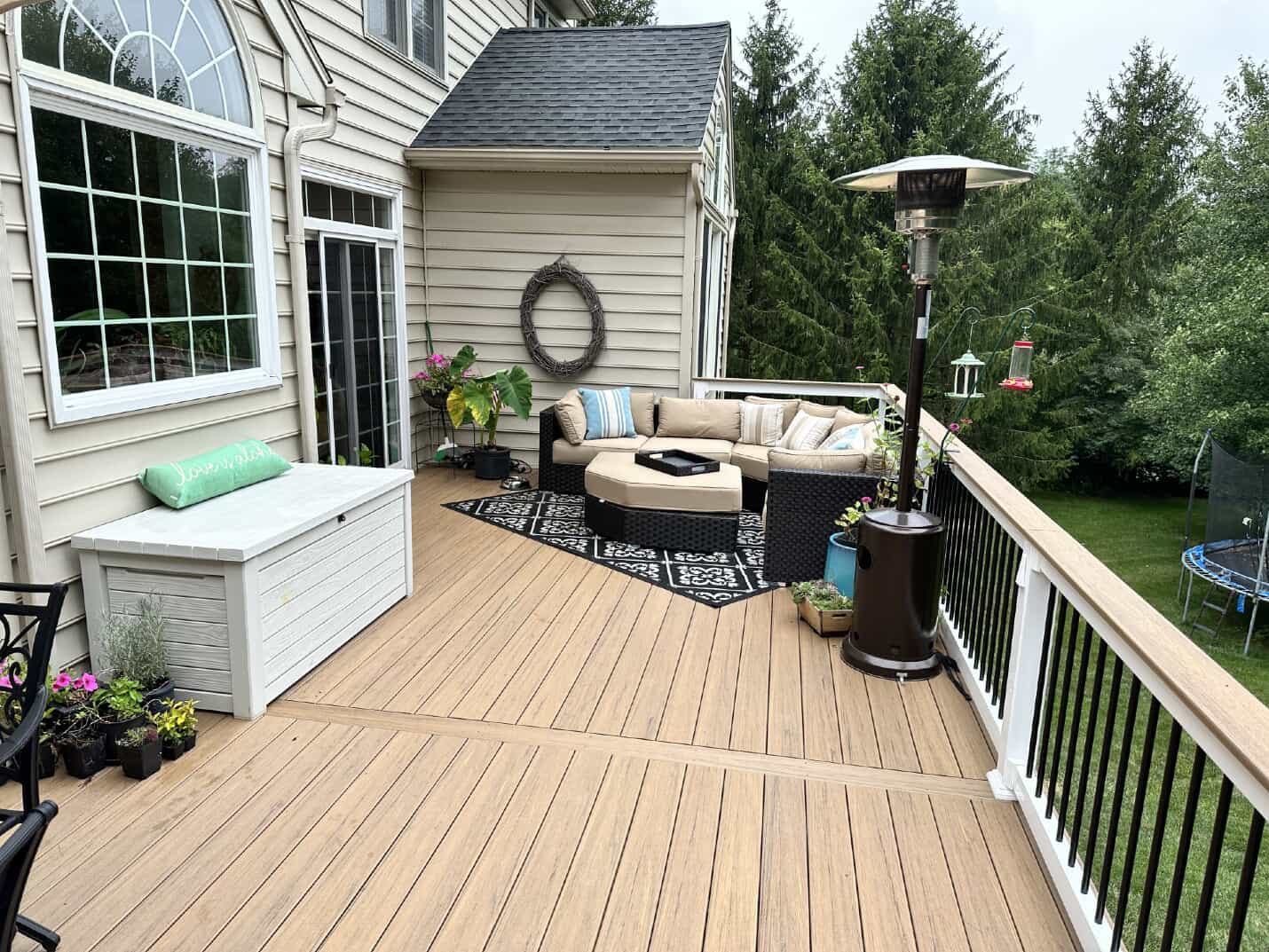
Myth #5: Composite Decking Is Too Expensive
Composite costs more than, say, pressure-treated pine does upfront. But it’s worth thinking in terms of total cost of ownership, because it doesn’t seem fair to compare a deck with a 20-year lifespan to one that will last closer to 40 or 50 years.
With composite, you won’t find yourself buying stain, sealer, or brushes every 1–3 years. Furthermore, composite decks can last 25–50 years, whereas wood decks often require major repairs or replacement after 15–20 years.
When you do the math over the life of the structure, composite often ends up being the more economical choice.
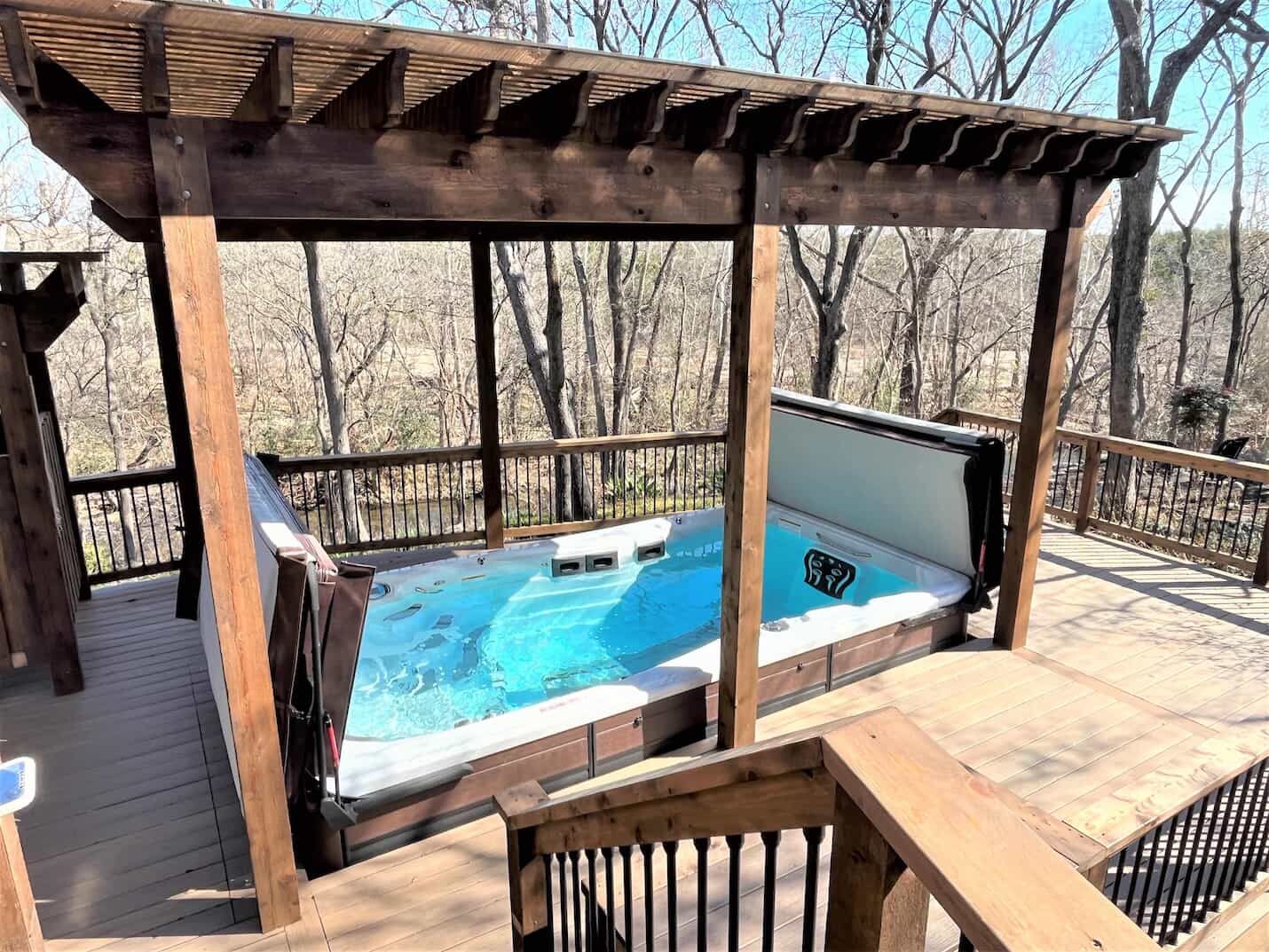
Myth #6: It's Not Strong Enough for Heavy Loads
Composite boards are engineered for superior density and structural integrity, meeting strict building codes. However, the strength of your deck largely depends on what is underneath.
Whether you are installing a hot tub or an outdoor kitchen, it’s worth remembering that it’s the frame—not the decking board—that bears the load of the structure. We use better building practices to make sure all the joists and support beams are spaced and sized correctly to handle the load above, regardless of the surface material.
Myth #7: It Will Scratch Easily
Any material, including hardwood, can scratch if you drag heavy furniture across it. The difference lies in the protection. These days, a lot of composites are "capped" with a hard, protective shell that makes them much harder to scratch.
Most minor scuffs can be blended out with heat or cleaners. Unlike wood, a deep scratch in composite does not expose raw fibers that will soak up water and rot over time. For added protection, using protective pads on outdoor furniture can eliminate up to 90% of scratch risks.
Myth #8: All Composite Decking Is the Same
Of all common misconceptions, this is probably the most damaging one. Because the composite market is filled with possibilities and products vary widely in:
- Core Structure: Solid vs. hollow cores.
- Protection: Capstock on three sides vs. all four sides.
- Warranty: varying from 25 to 50+ years.
It’s hard to tell the relative benefits of one composite over another if you don’t work with them a lot. But if you work with a composite deck contractor, like Archadeck, a trained TimberTech Platinum Pro, who understands the market and materials, they can help you select the right material for you.
Searching for a “Fort Wayne Deck Builder Near Me?”
Don't let outdated myths keep you from the backyard you deserve. Modern decking material is getting better with every passing year, and there’s a reason why Fort Wayne homeowners like yourself keep choosing it for their new projects.
If you want to learn more about what’s possible, you can download our free design guide for more information on material options and design planning.
It would be our distinct pleasure to meet with you for a no-obligation, complimentary design consultation.
Call Craig Whitman, and his team, at (855) 931-4746; or click this link right here to connect with us.