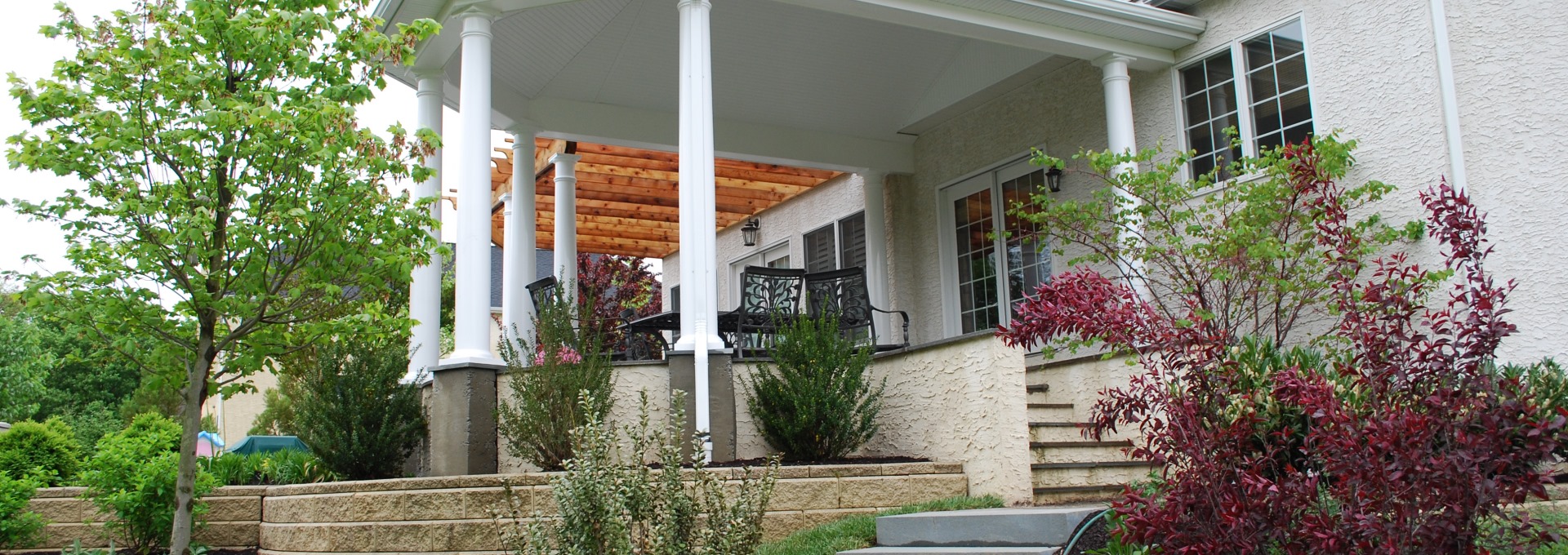
Porch Building Services in Trumbull
Understanding Porch Building
At Archadeck of Southwest Connecticut, porch construction is approached as a structural improvement that must fit the layout of the home, local regulations, and long-term use. Building a porch involves more than adding a structure to the front or back of a house. Proper planning includes reviewing zoning requirements, setbacks, drainage, and how the new structure will connect to the existing home. When these factors are reviewed early, the project moves more efficiently and avoids changes during construction.
Homes in this area often have different elevations, yard slopes, and architectural styles, which means each porch must be designed to fit the specific property. Reviewing surveys, existing structures, and access points helps determine the best size, location, and layout. This planning stage helps ensure the porch looks like a natural extension of the home rather than an added structure.
Local Regulations and Permitting
Most porch projects require permits and must meet local building codes. These codes regulate footing depth, stair dimensions, railing height, and structural support requirements. Following these rules ensures the porch is safe and passes inspection. Handling permits and approvals before construction begins helps prevent delays and keeps the project organized.
Setback requirements, lot coverage limits, and safety rules for stairs and railings must also be considered. These requirements affect the size and placement of the porch. Planning around these rules from the beginning helps prevent redesigns and keeps construction on schedule.
Design Considerations for Climate and Long-Term Use
Weather conditions play a major role in porch design. Temperature changes, moisture, and seasonal weather patterns can affect materials and structural stability over time. Choosing the right materials and construction methods helps the porch last longer and require less maintenance.
Important design considerations include proper drainage, ventilation, and foundation support. These elements help prevent shifting, water damage, and premature wear. Features such as covered areas, lighting, and step placement should also be planned so the porch is functional throughout the year.
Build your dream outdoor space with total confidence, backed by our industry-leading dual warranty on every project. Contact us to get started online or call (475) 262-8216
Our Porch Building Process
The porch building process follows a clear step-by-step approach so each phase is completed in the correct order:
- Initial consultation and property review
- Design planning and layout development
- Permit preparation and approval
- Site preparation and foundation work
- Framing and structural construction
- Installation of railings, stairs, and roofing if applicable
- Final inspection and project review
Following a structured process helps keep the project organized and ensures each part of the porch is built correctly before moving to the next phase.
Types of Porch Projects
Different homes require different porch designs depending on space, layout, and how the area will be used. Some of the most common porch projects include front entry porches, covered porches, screened porches, and open-air porches. Each type serves a different purpose, from improving entry safety to creating additional outdoor living space.
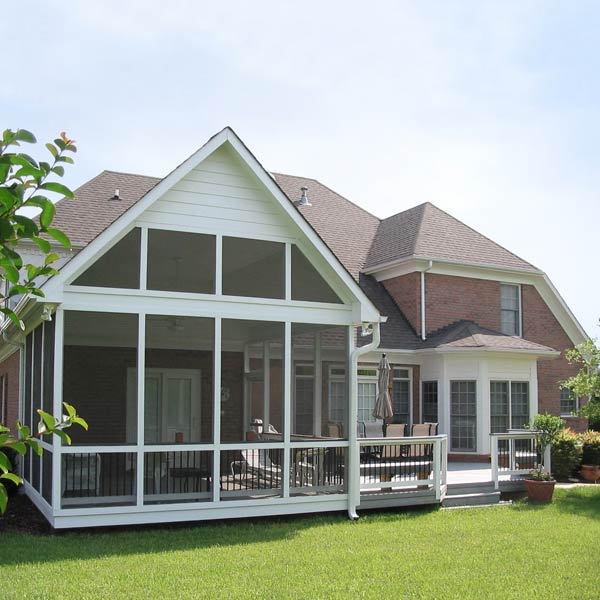
Front porches are often designed to improve access to the home and provide a covered entry. Back porches are usually designed for seating, gathering space, or connecting the house to the yard. Screened porches provide protection from insects while still allowing airflow and outdoor visibility.
Materials Used for Porch Construction
Material selection affects the appearance, maintenance, and lifespan of the porch. Common materials include pressure-treated lumber, composite decking, PVC trim, and aluminum or composite railings. Each material has different maintenance requirements and durability levels.
Composite materials are often used for low maintenance and long-term durability. Wood materials are commonly used for structural framing and traditional porch designs. Railings, columns, and trim are selected based on the style of the home and the expected exposure to weather.
Frequently Asked Questions About Porch Building
1. What permits are needed for porch building?
Most porch projects require a building permit and must meet local zoning and safety regulations. Permit requirements usually include structural drawings, property surveys, and inspection approvals during different construction phases.
2. How long does porch construction take?
The timeline depends on the size of the porch, permit approval time, and weather conditions. Most porch projects take several weeks from site preparation to final inspection.
3. Can I customize my porch design?
Porches can be customized to match the home's layout, including stair placement, railing styles, roofing, lighting, and flooring materials. The design is usually based on how the homeowner plans to use the space.
4. What are the best materials for a porch?
Common materials include pressure-treated wood for framing, composite decking for flooring, and aluminum or composite railings for durability and low maintenance.
5. How do you ensure quality in porch construction?
Quality is maintained by following building codes, using proper structural supports, installing correct footings, and completing inspections at each stage of construction.
Long-Term Value of a Well-Built Porch
A properly built porch adds usable space, improves entry access, and helps protect entryways from weather. Proper planning, correct materials, and following building codes all contribute to a structure that remains stable and functional over time. Archadeck of Southwest Connecticut focuses on building porches that are structurally sound, fit the layout of the property, and are designed for long-term use.
Elevate your home's first impression with a custom-designed front porch that honors Trumbull's classic architectural style. Contact us to get started online or call (475) 262-8216