Colorado boasts nearly 300 days of sunshine a year. While Colorado’s sun, climate, and beauty are some of the reasons people love living here, homeowners in Northern Colorado and along the Front Range often need a break from the intense sun – especially while hanging out and enjoying their backyard. That is why many homeowners look for different options for adding shade or a roof structure to their backyard space.
These structures are often referred to as patio covers, roof additions, deck covers, porches, shade structures, or pergolas. Whatever the name, they all have a similar goal – to create a more comfortable and usable outdoor environment. The type of structure that will work best for your outdoor space will depend on a number of factors. Here at Archadeck Outdoor Living of Northern Colorado, we specialize in designing and building the right structure for your home. Let’s explore some of the best roof structure options for Northern CO homes:
Shed Roof Tie-in to a Second-Story Home
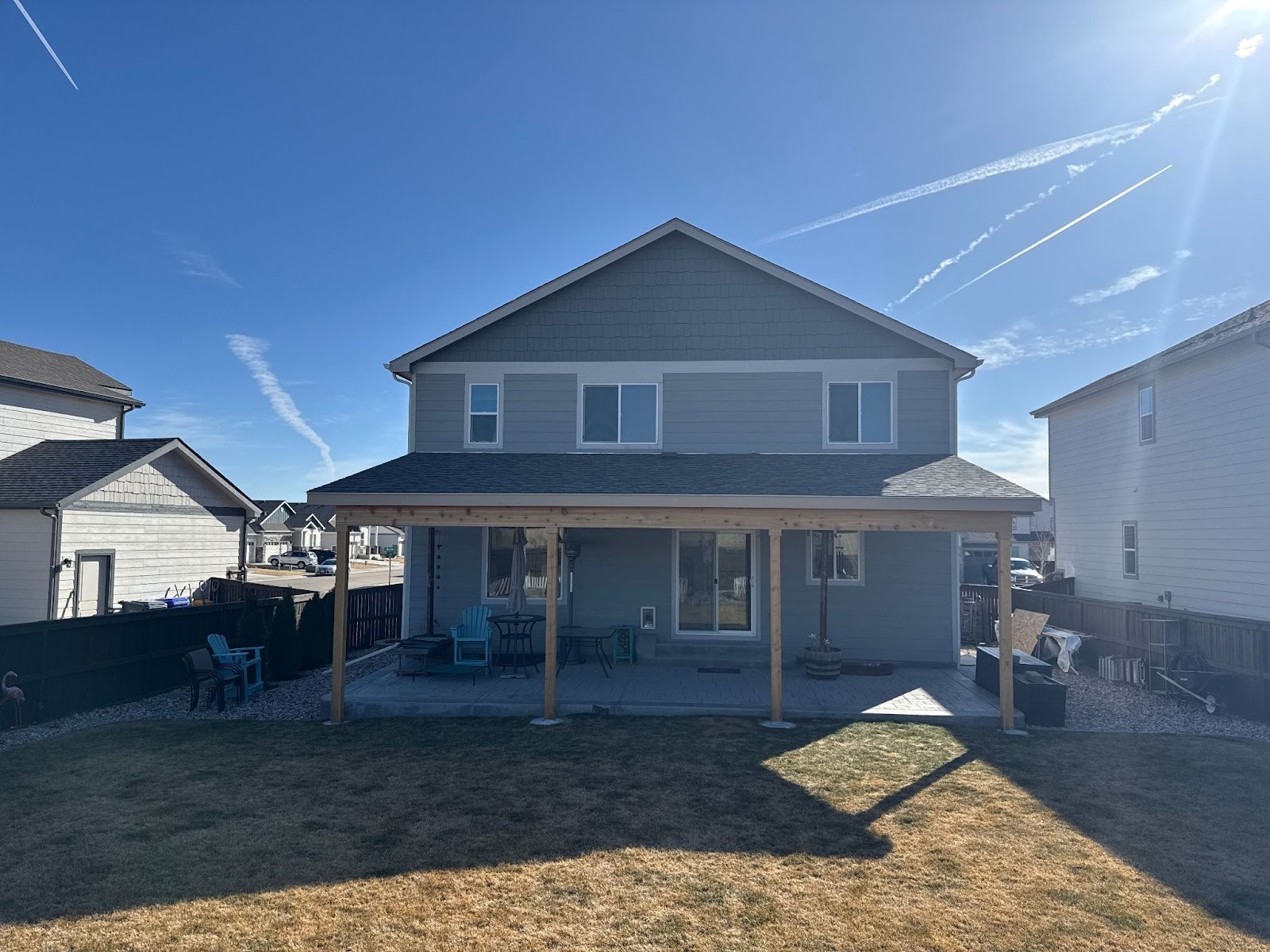
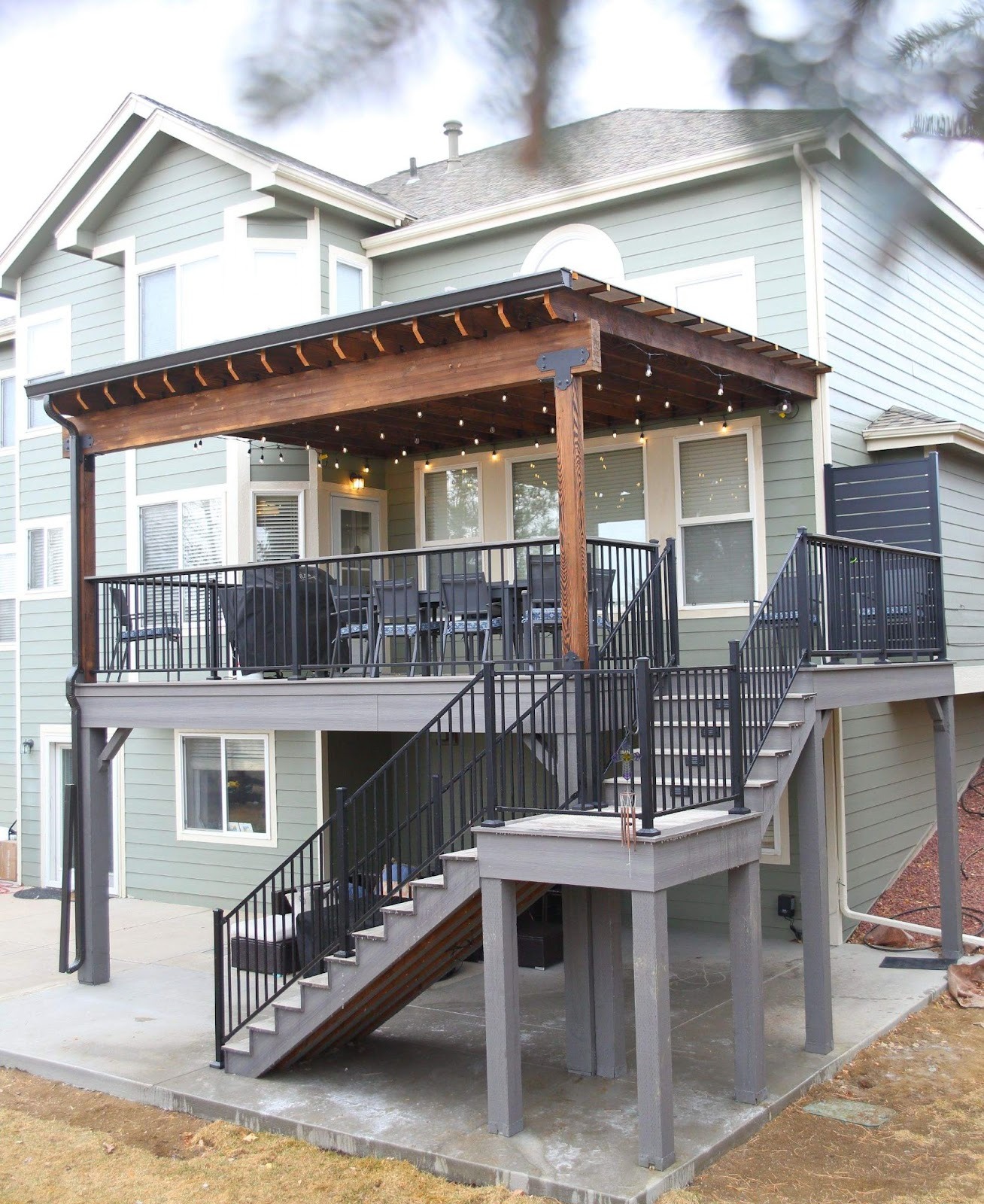
A shed roof tie-in structure is probably the most common option for adding a cover to an existing house. It involves building a shed or lean-to style roof addition over an existing concrete patio or deck. There are options to design and build it to make it look like your house, matching the siding, trim, and color of your existing home. There are also options to add cedar or natural wood accents to provide more of a statement. Whatever your preferred style is, our team of outdoor living space designers customizes your shed roof tie-in perfectly to your vision
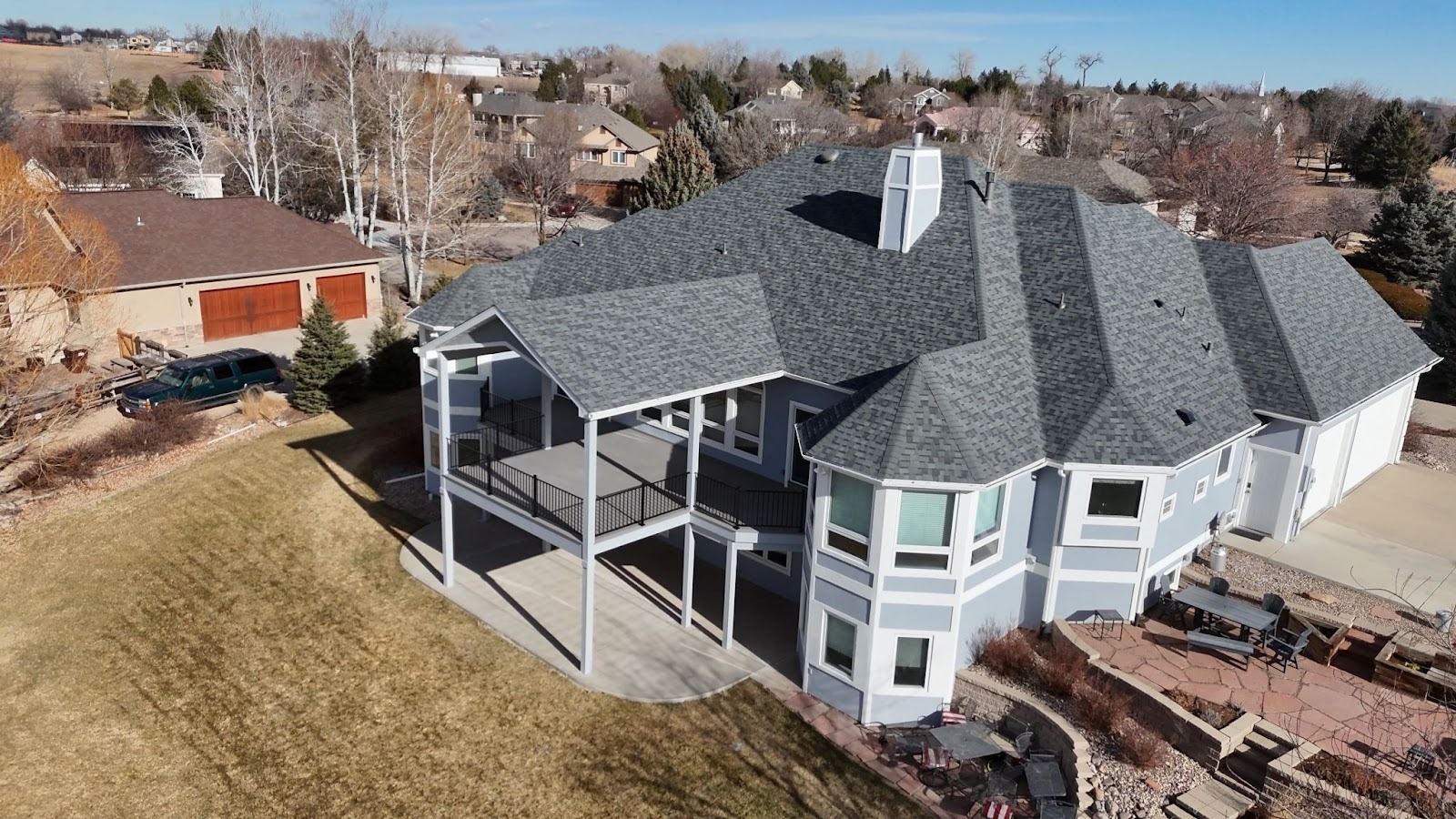
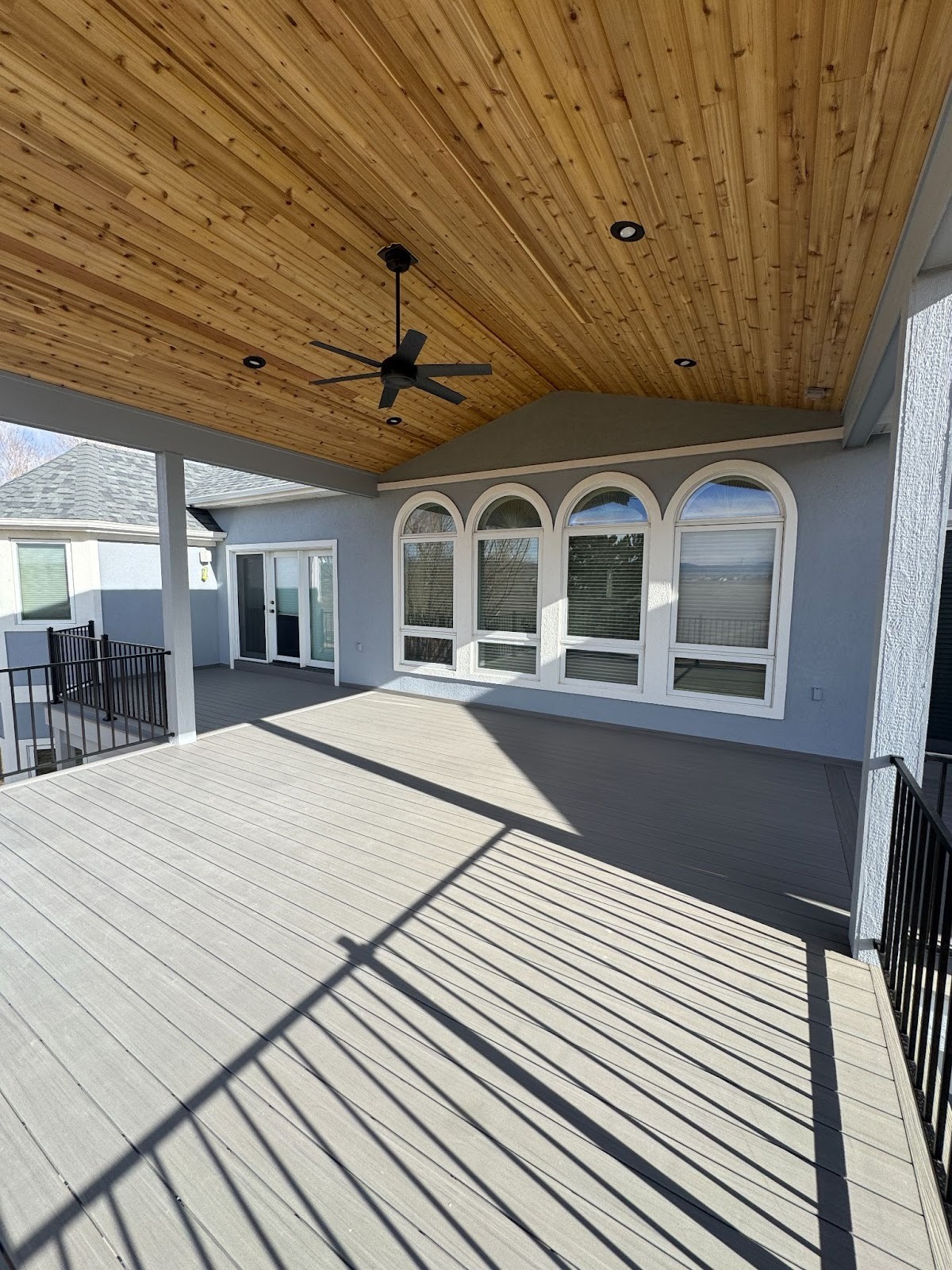
Gable Roof Tie-in to a Second-Story Home
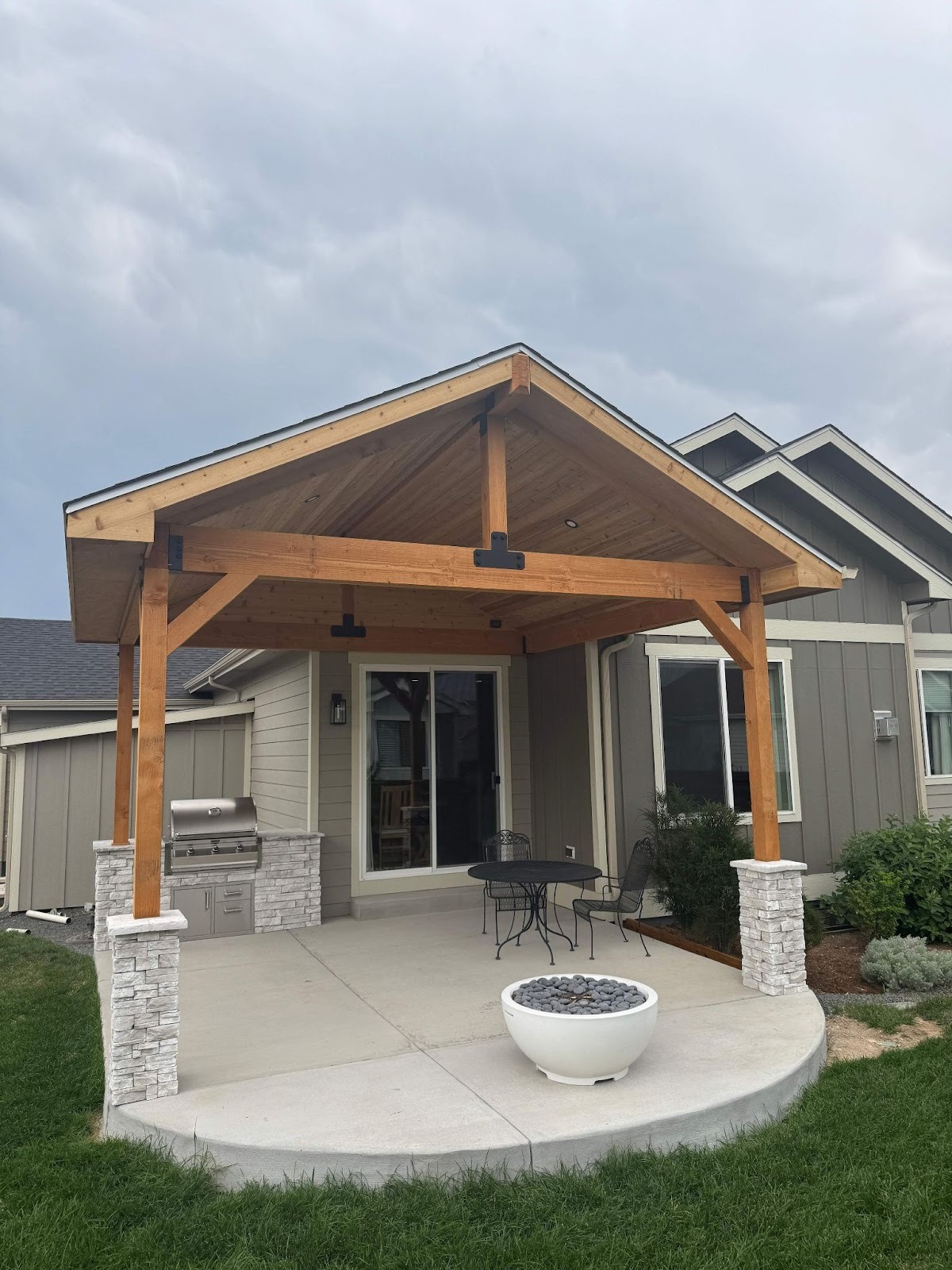
Gable roof tie-ins are similar to the previous option in that it would tie into an existing house wall, but it would consist of a gable or “A-frame” style roof. This option is possible in most cases and complements most home architectural styles, but because of the point loads associated with this structure, it requires additional structural consideration. Our team creates each of these custom roof structures with that in mind, ensuring the space is built properly and to code.

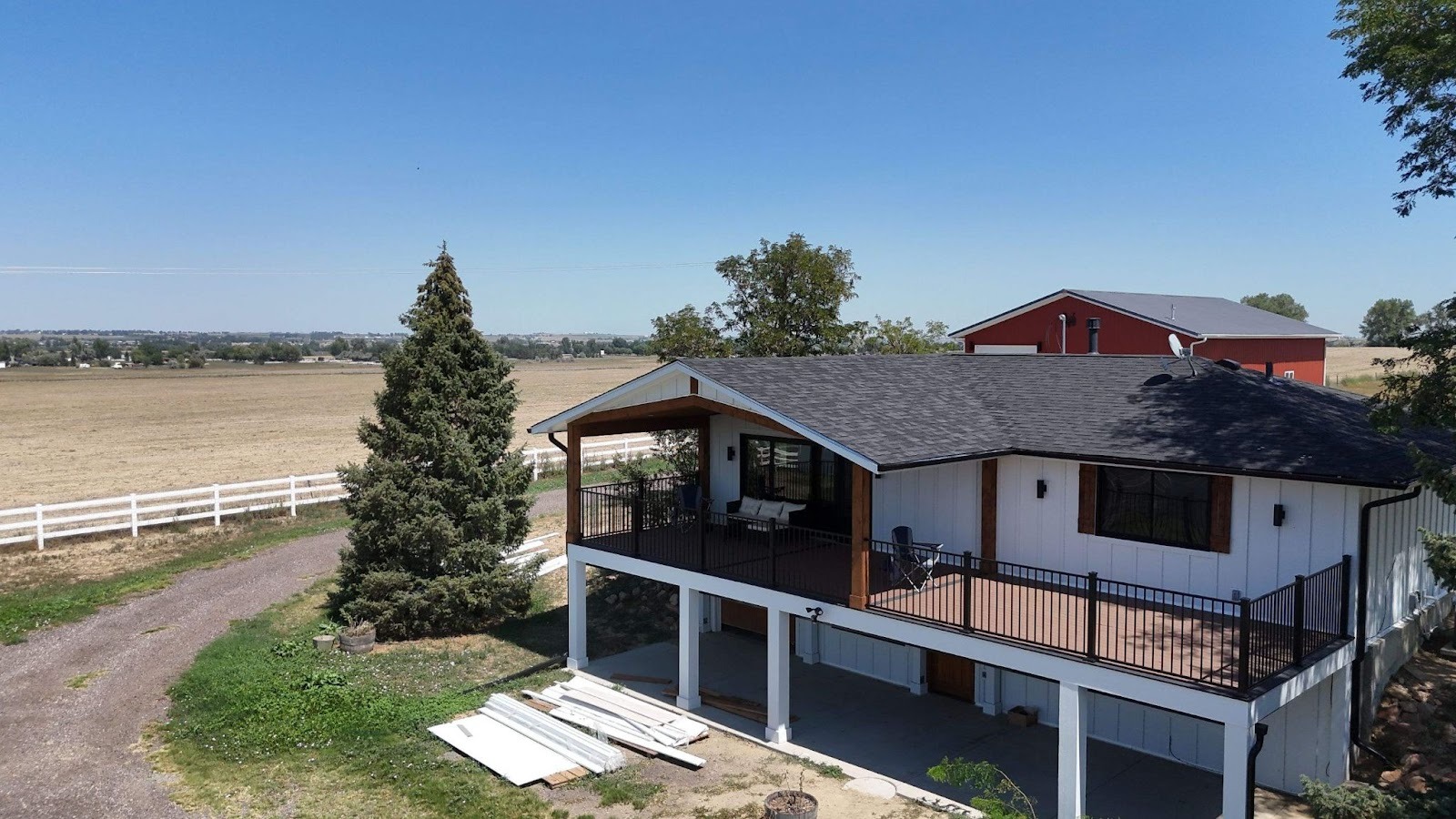
Gable Roof Tie-in to an Existing Roof
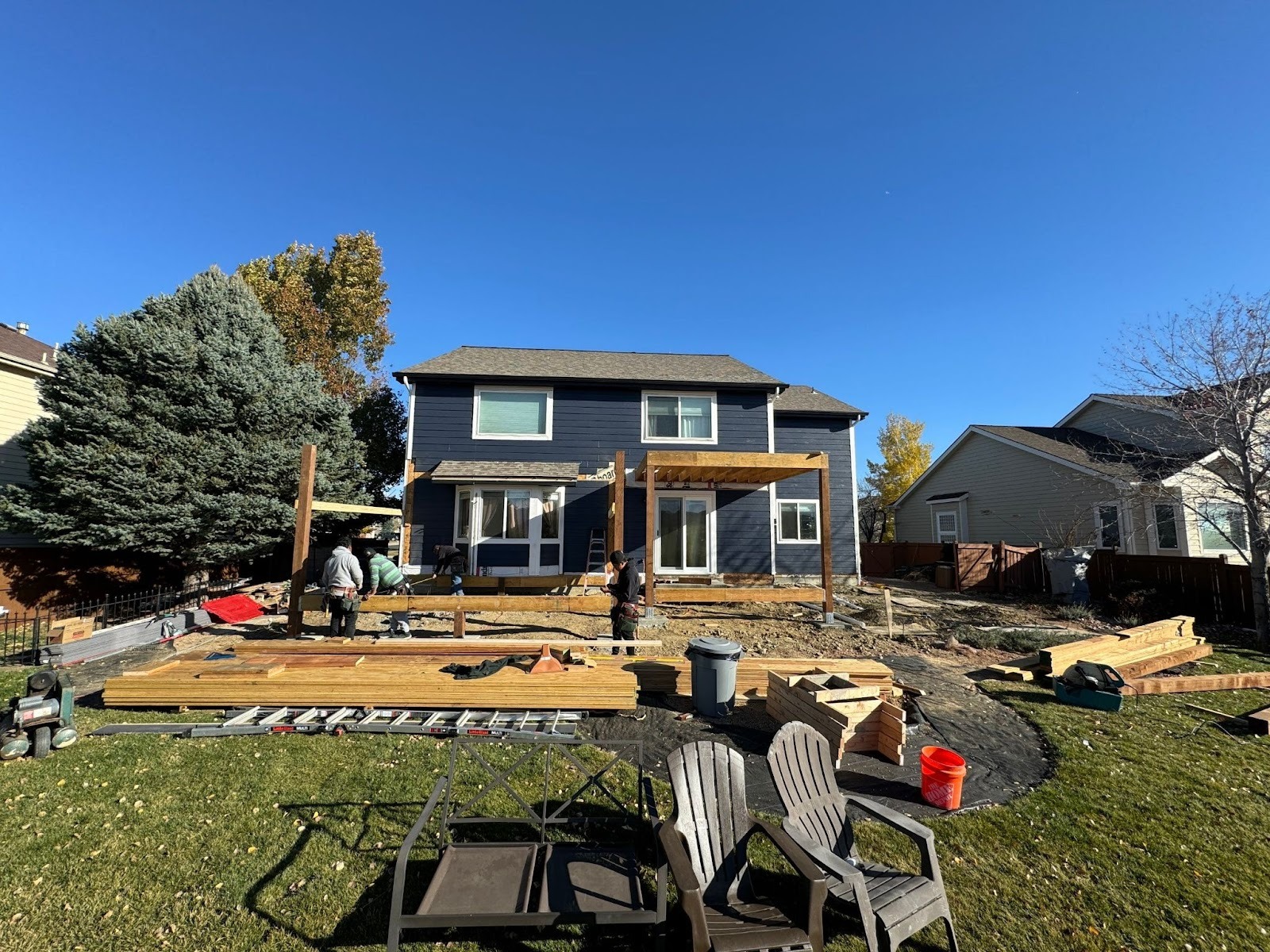
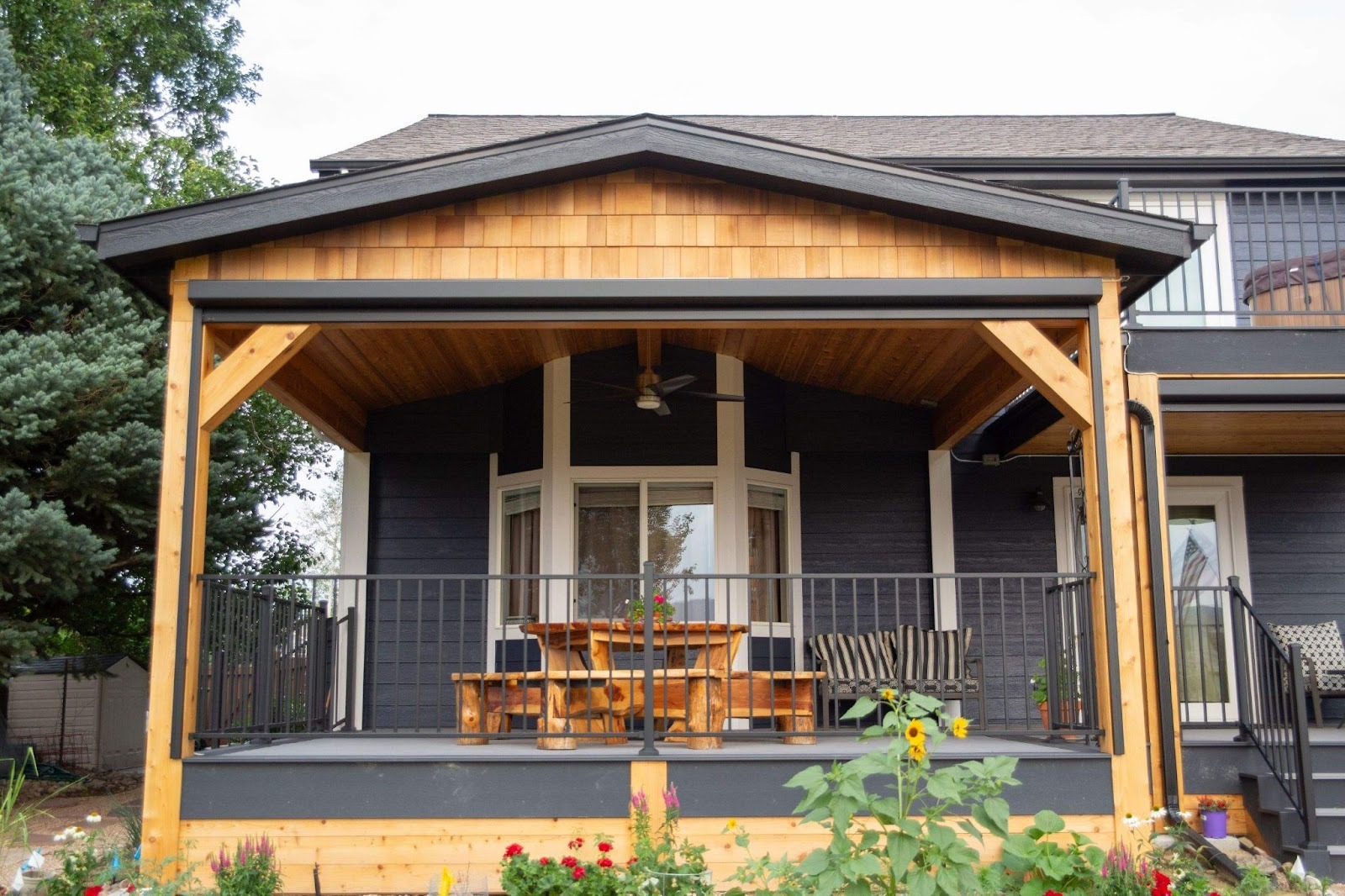
Building a gable roof tie-in on an existing roof is a common application on a single-story house or if the roof is intended to cover an upper-level or second-story deck. This style uses a gable or “A-frame” roof that ties into the existing roof line. This type of addition can be made to look quite seamless, intentionally designing the overhangs, the roof pitches, and the finishes to match the house. In many cases, this type of structure should not look like an add-on, it should look like it was built at the same time as the house.
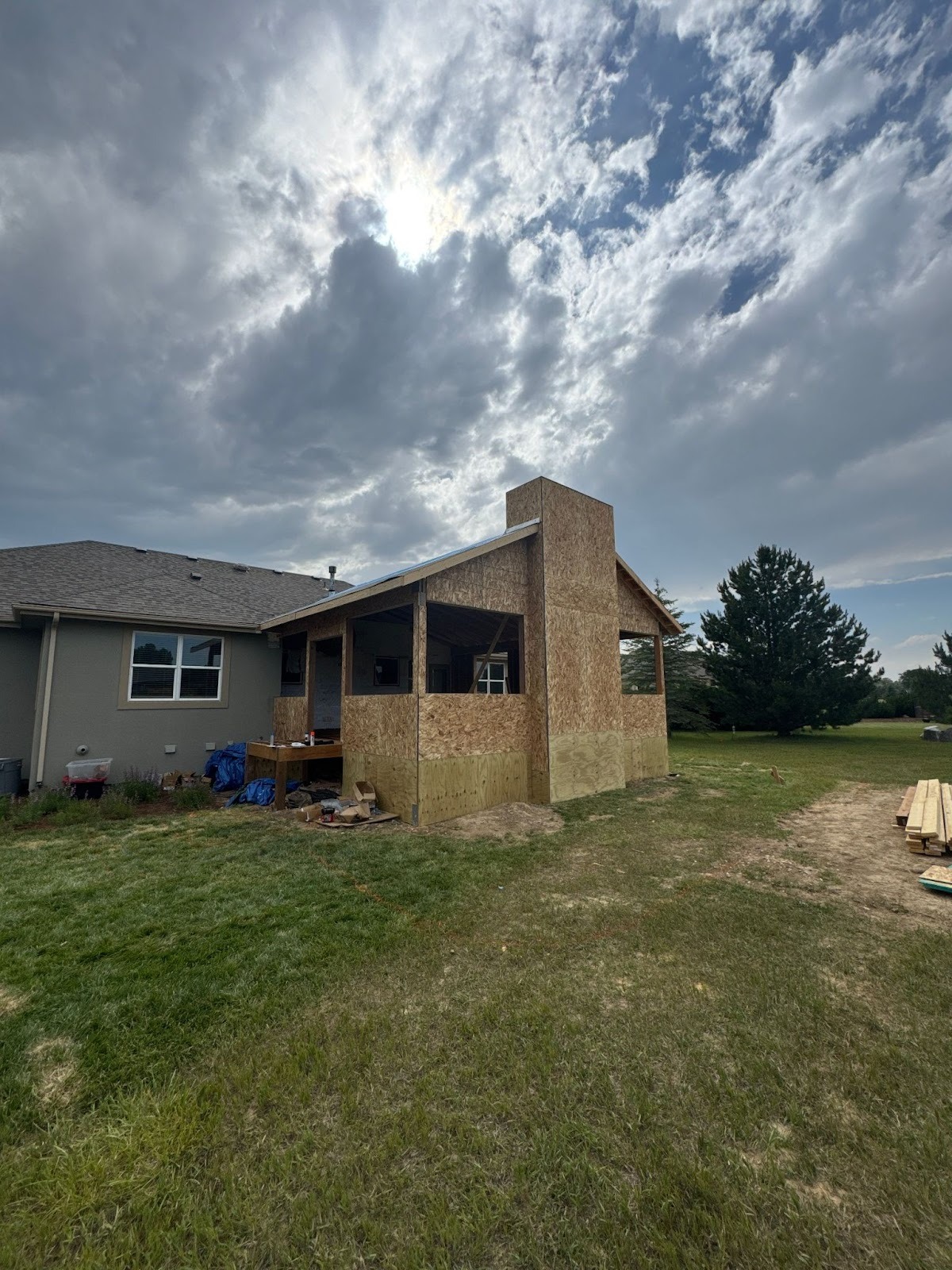
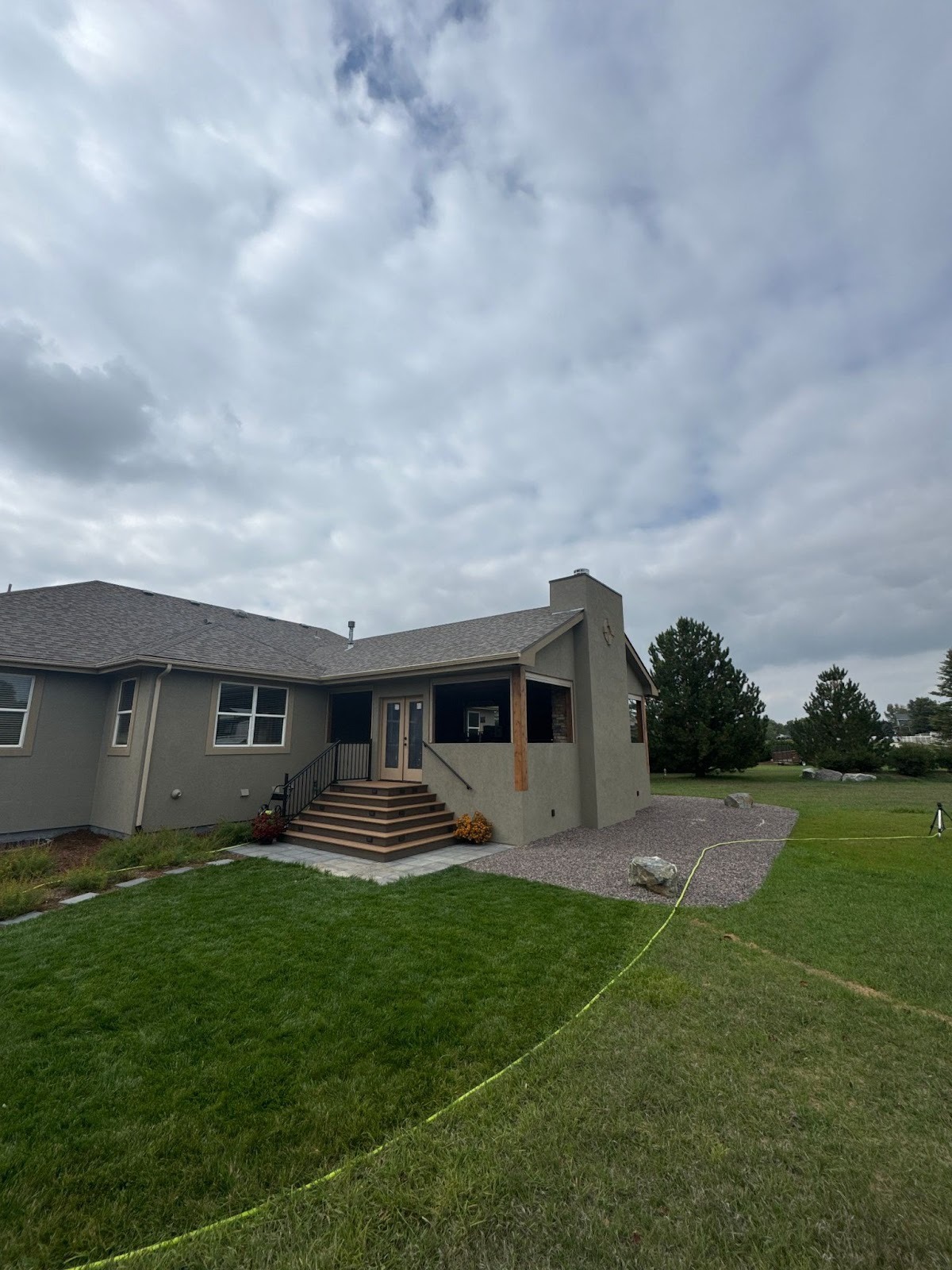
Other Less Common Tie-ins for Northern Colorado Homes
Shed Roof Tie-In to an Existing Roof
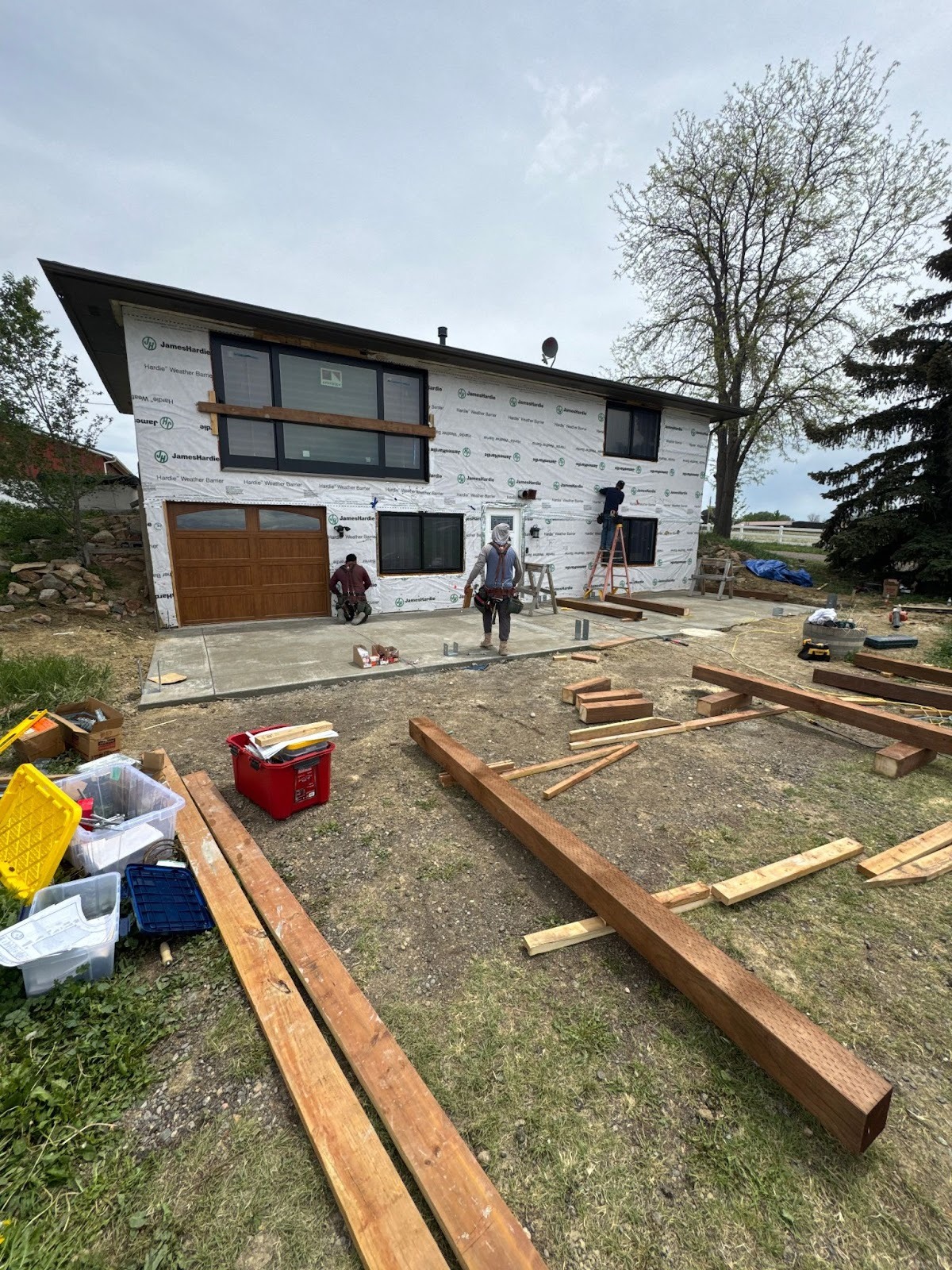
This is a less common approach, but it can be accomplished successfully in certain situations. It involves tying a shed roof into an existing roof that has a greater pitch. For this to work and look seamless, it typically requires the existing roof to be relatively steep (5:12 or greater) to allow for a clear distinction and break between the existing and new roof.
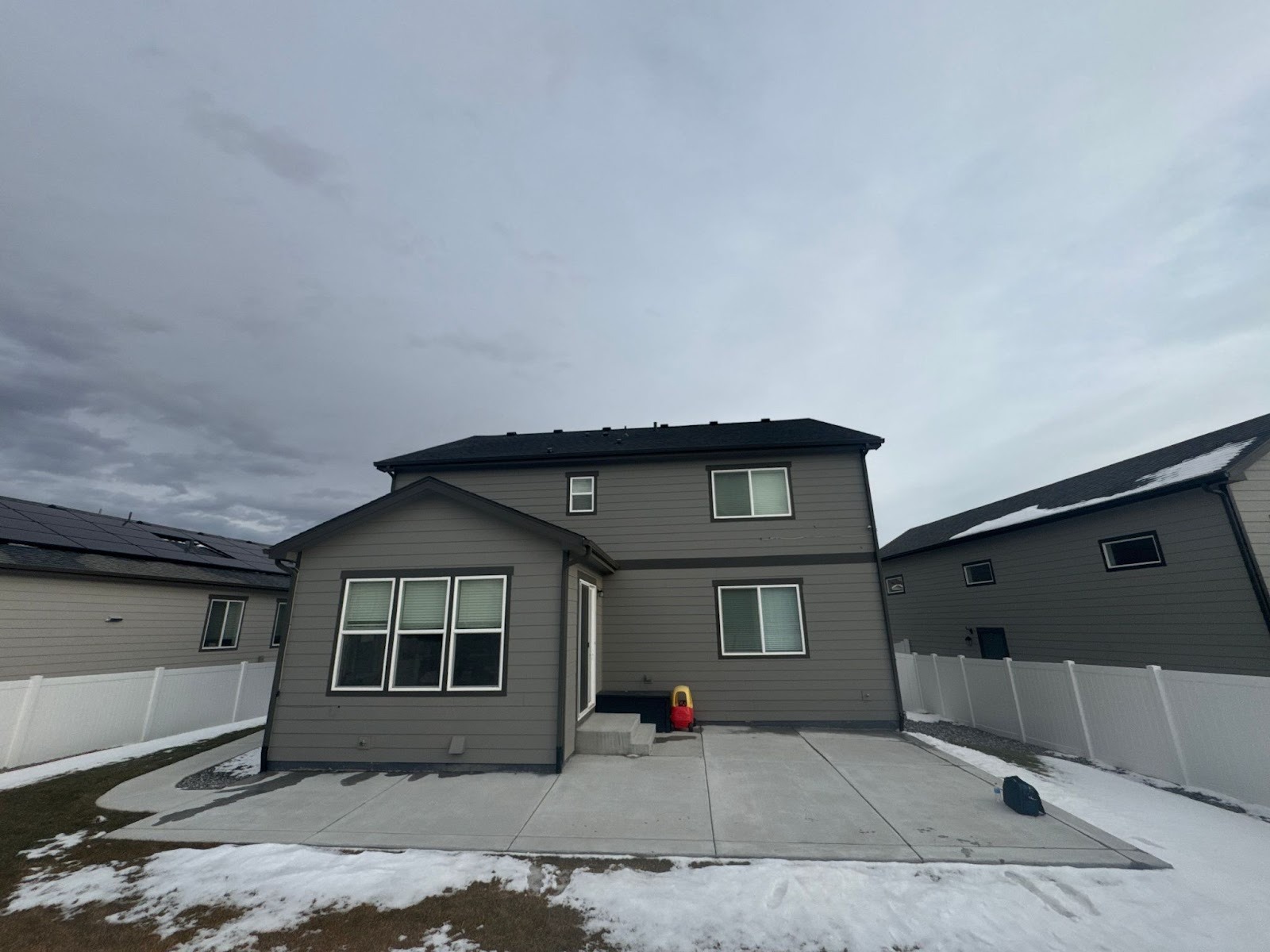
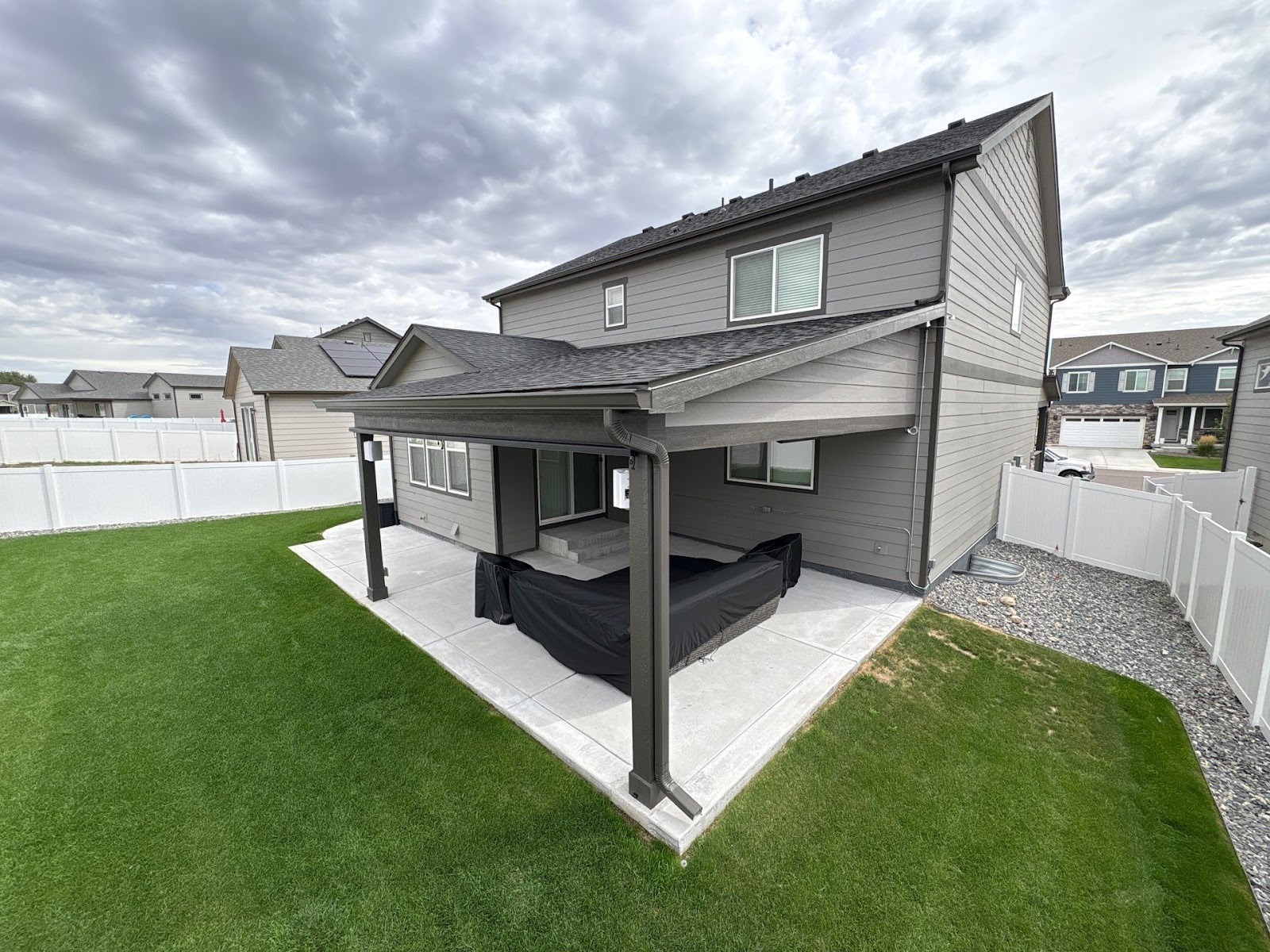
Combination Tie-In
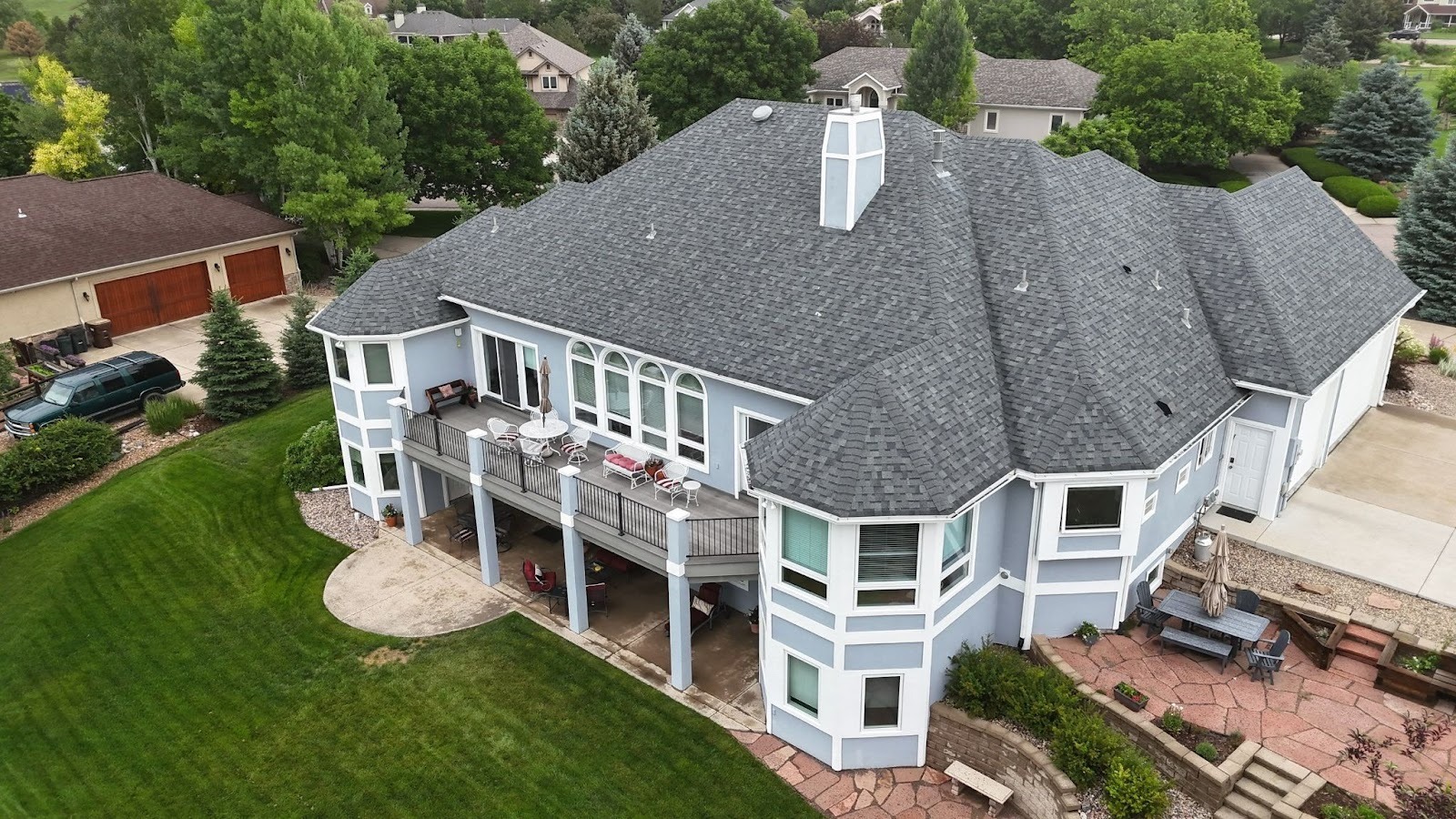
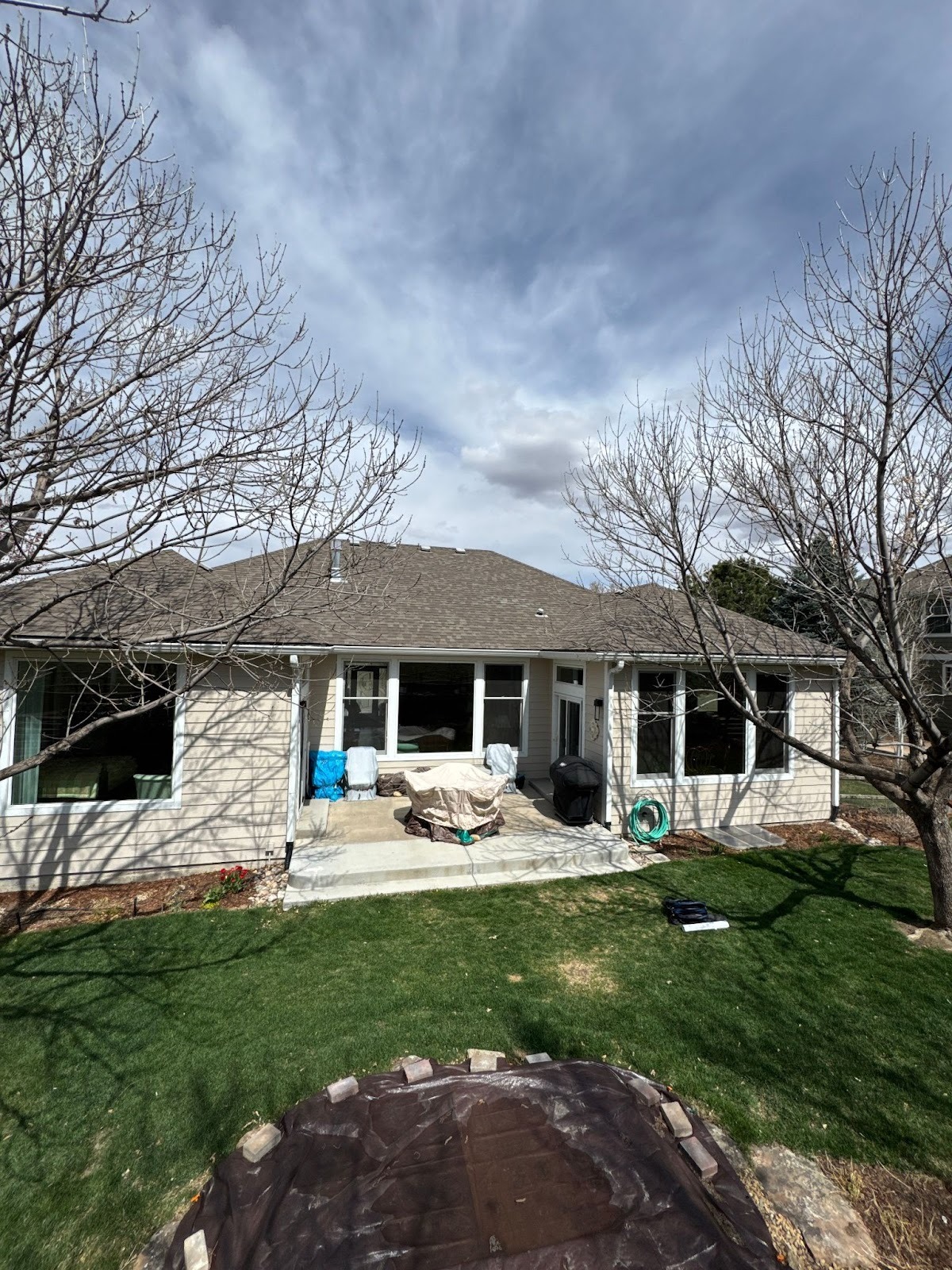
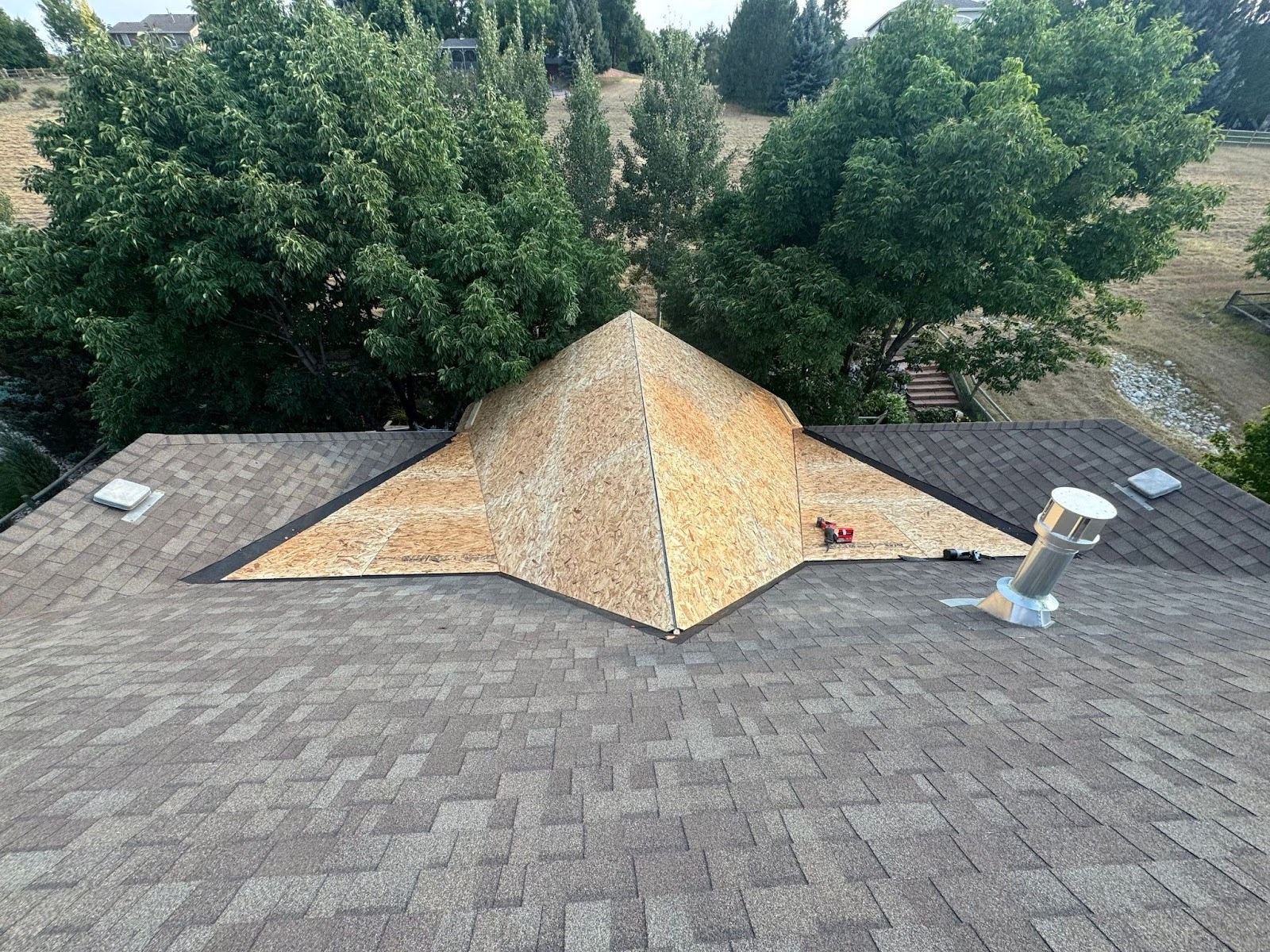
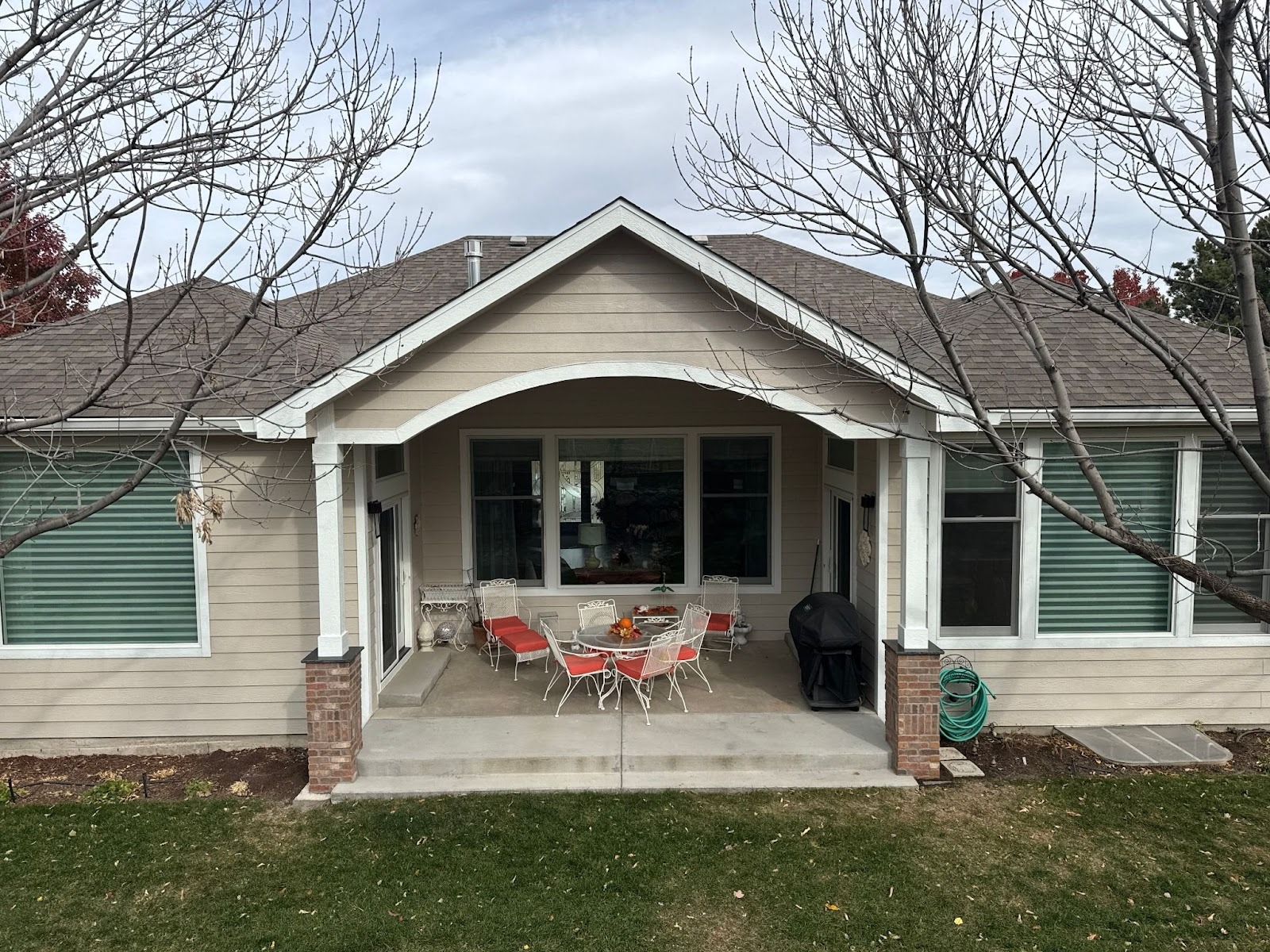
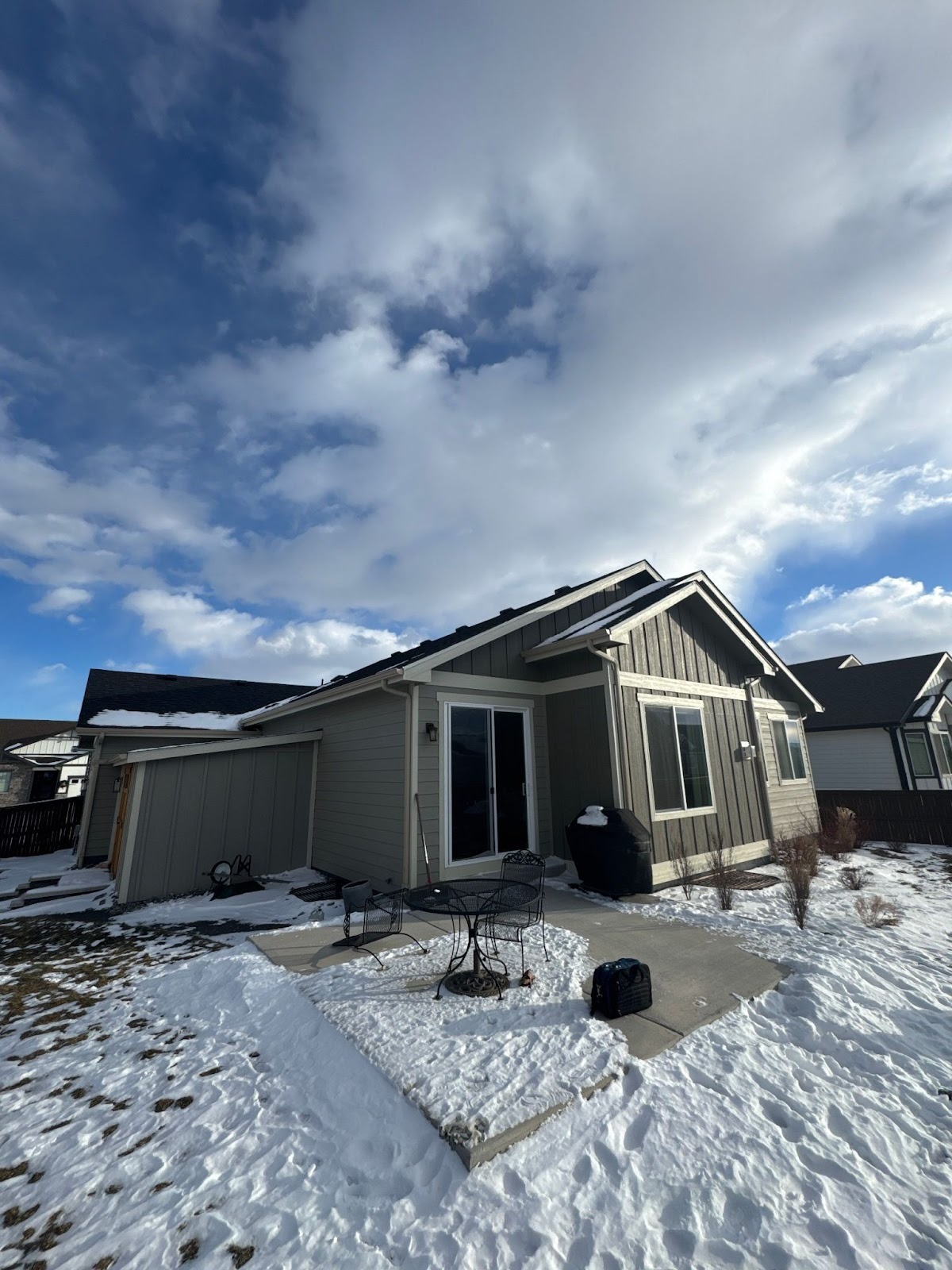
Some roof structures require tying into a house wall and an adjacent roof line. This can be accomplished as shown in the images below.
Gable Roof Tie-In With Adjacent Rooflines
This involves a situation where the gable roof can tie into the existing roof, but there is an adjacent roof where the new roof would typically drain, creating a valley of standing water. In order to properly address this issue, a “cricket” would be added to allow the water to drain towards the front of the house.
Covered Pergolas
In some cases, a typical roof won’t work because there is not enough room on the house for a tie-in, or the tie-in location is not high enough. With conventional shingles, a minimum slope of 3:12 is typically required (3’ of drop for every 12’ the roof comes out). In some cases, the tie-in location is not high enough to provide proper clearance at the front of the new structure. In other cases, homeowners may not want to sacrifice or lose any natural light in the house that can come from adding the roof structure.
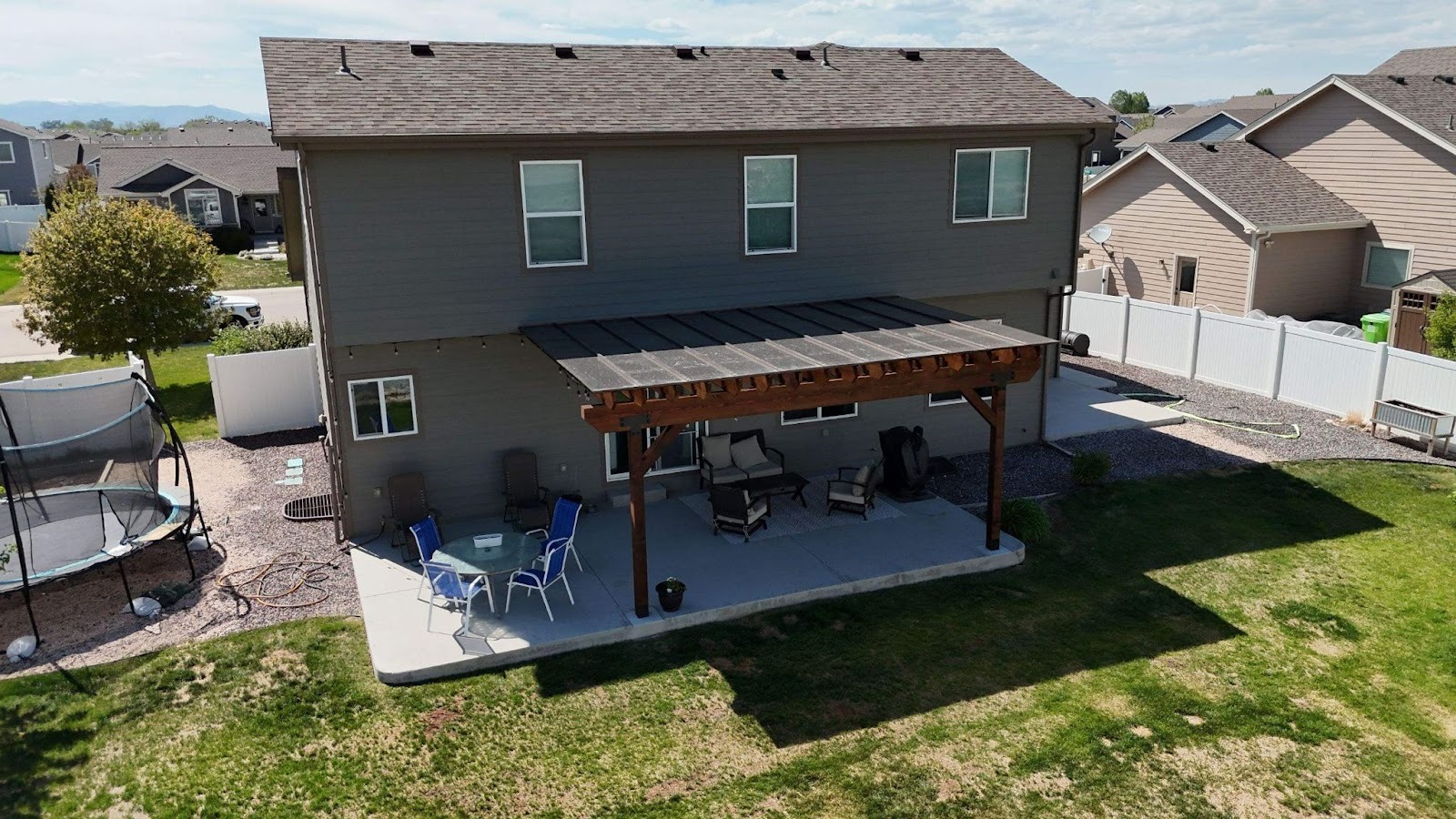
For these situations, a covered pergola may be a great option. Covered pergolas require minimal slope (2%), are rated for snow loads, hail, and high wind, and their semi-translucent design allows for most of the natural light to pass through the panels.
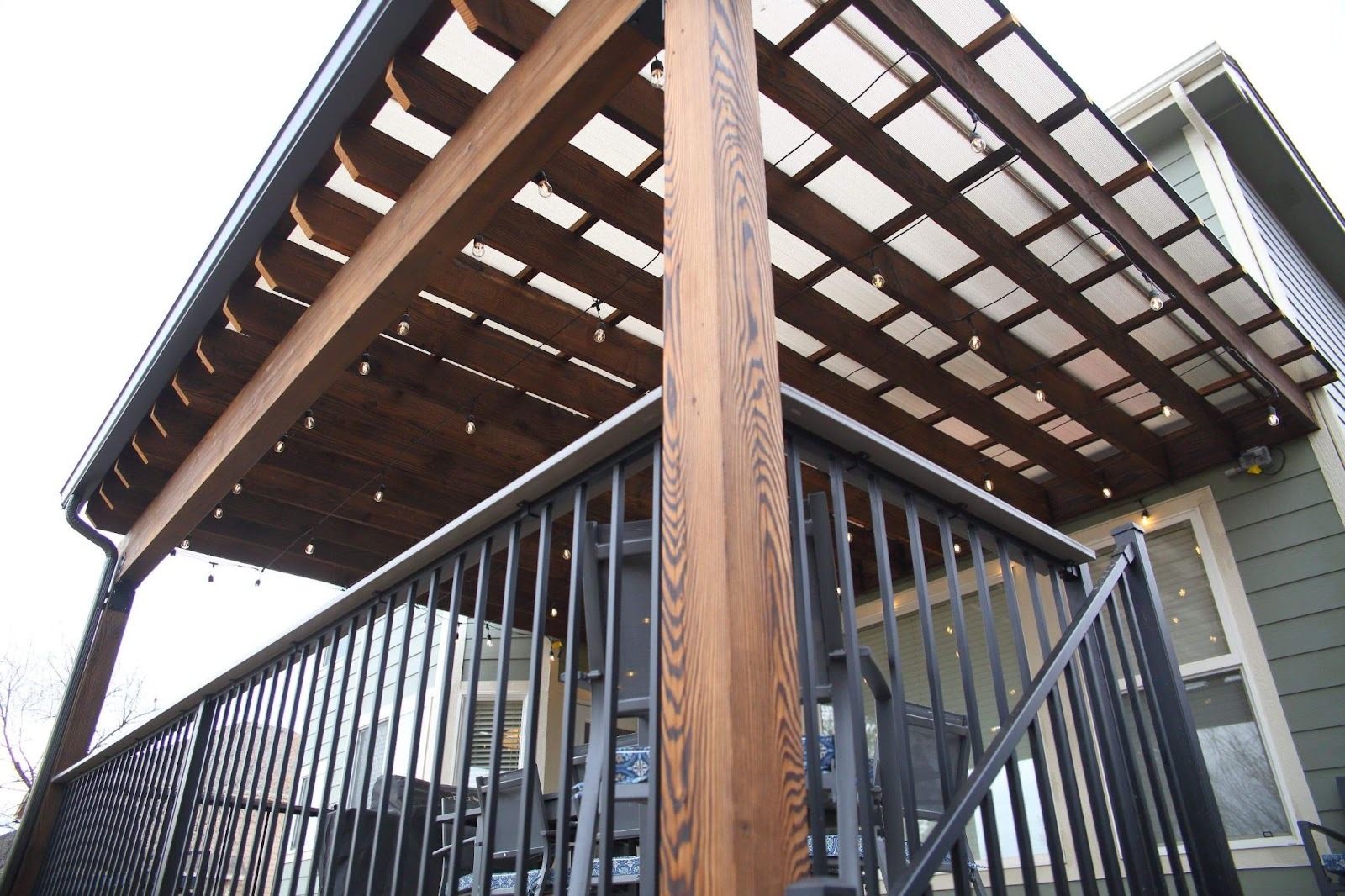
ALT TEXT: Covered pergola in Loveland
Ready To Choose Your Outdoor Roof Structure?