Almost every homeowner we meet with about a deck addition opens with some version of "how big should my new deck be?" We rarely jump straight to a specific size. Usually there's a whole list of smaller questions to work through first: what you want to use the space for, what the lot itself allows, whether the HOA has rules about this (as many do), and which material you want to build with. Once you get through those and a square footage figure tends to show up on its own, without much of a fight.
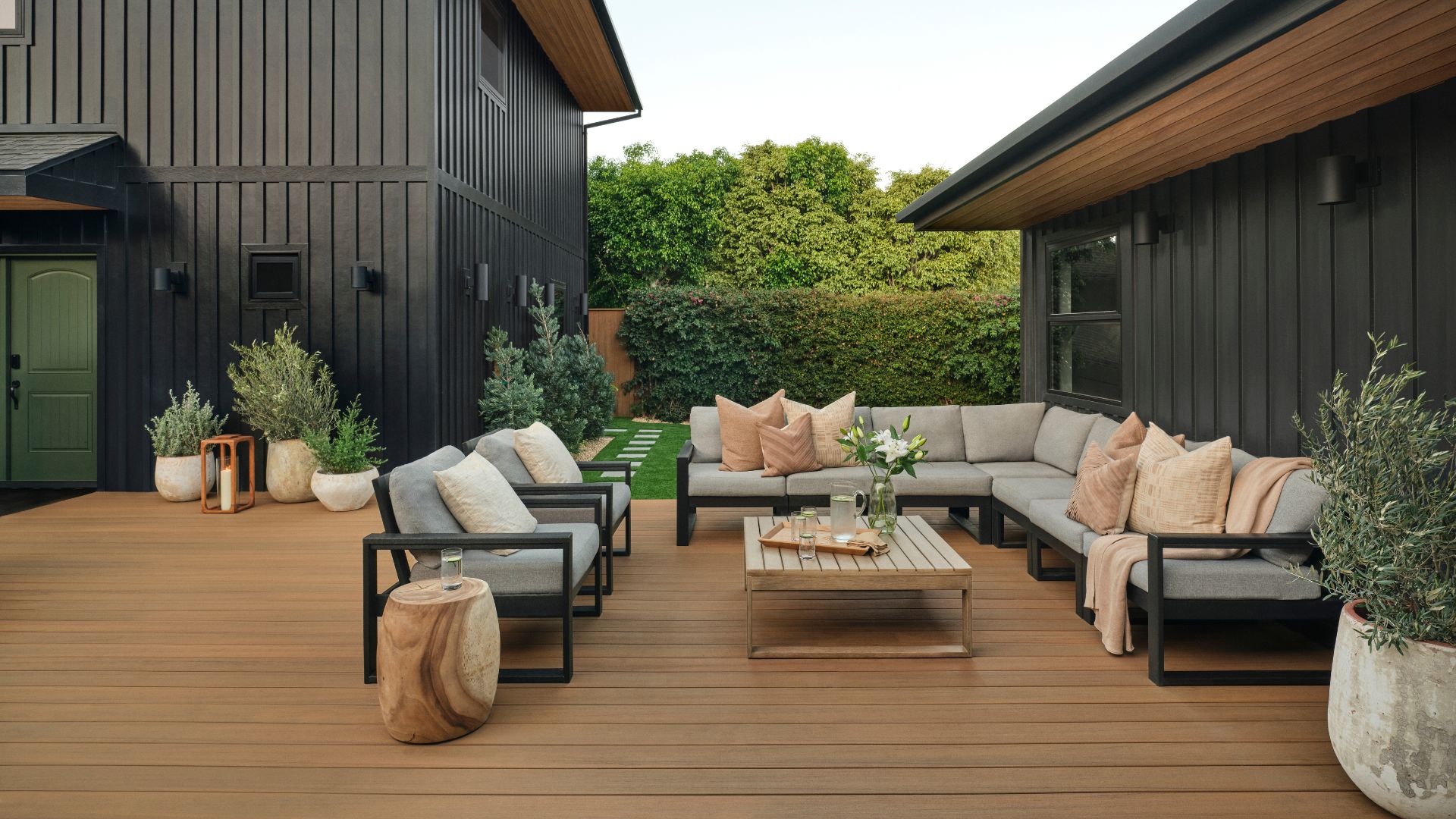
We've had this conversation with homeowners from Bountiful down through West Valley City, and it usually goes something like this …
Start With How You Wish To Use The Space
This gets skipped more often than you'd expect. A deck for two people to enjoy dinner outdoors from is quite different than a deck that needs to survive annual Fourth of July cookouts with thirty people, but plenty of homeowners’ size for neither and just pick a number that sounds reasonable at the time.
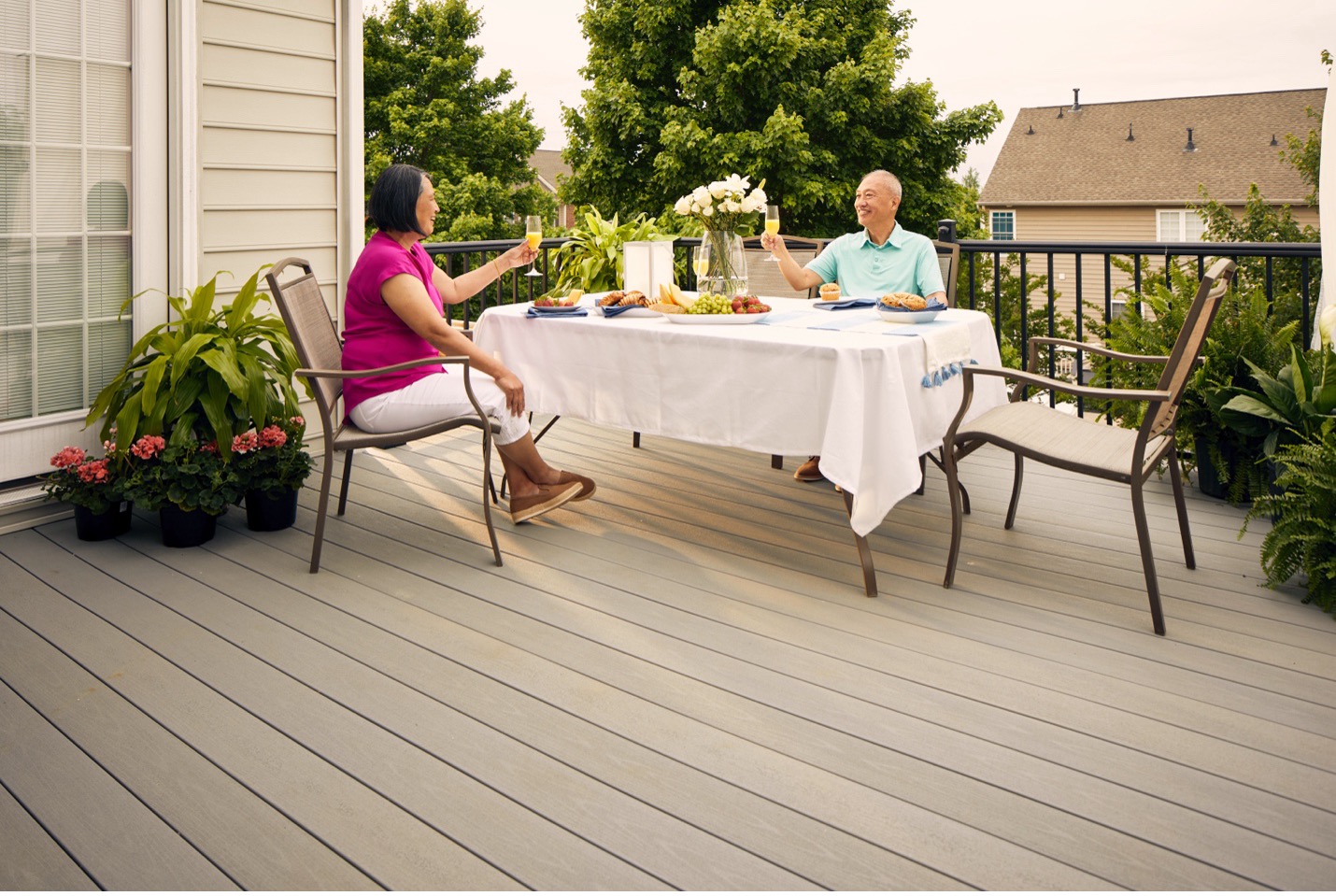
A small footprint works fine for a bistro table and a couple of chairs, usually under 150 square feet. Real dinner seating for six or eight, with enough room to push a chair back without hitting the railing, starts pushing toward 300. Once you're adding a grill station, maybe even an outdoor kitchen, or a hot tub down the road, you're often looking at 400 square feet or more, sometimes even more depending on how many accompaniments you're trying to fit.
Here's a trick that tends to work better than staring at a sketch on paper: grab some stakes and string, or a garden hose does the job too, and lay out the actual shape out on your lawn. Walk around inside it a few times. Most people know within a minute or two whether it feels right or whether they've overshot it.
Your Lot Doesn't Always Cooperate
Backyards along the Wasatch Front aren't all built the same. Up in the foothill neighborhoods near Bountiful and Farmington, you'll often run into real elevation change, a yard that drops off toward the back fence or climbs steeply behind the house. Farther out toward Syracuse or Clearfield, lots tend to be flatter and more rectangular, which is a much easier starting point.
.jpg)
That difference in terrain changes what we'd recommend. On a lot with only a step or two of grade change, a low-to-grade deck usually makes the most sense, there's not much reason to build something tall and elaborate when the ground is right there already. A sloped backyard is a different problem entirely, and that's where a multi-level design earns its keep, stepping down in stages instead of one big, elevated platform sitting over everything. Some homeowners want the deck up top near the house for the mountain view, paired with a patio below for a fire pit or extra entertaining room, which works well when the space calls for both. Others end up combining a deck with a covered porch, so there's somewhere shaded to sit during the brighter, hotter stretches of summer alongside open space for cooler evenings.
Setback rules and HOA guidelines shift depending on which city you're in, sometimes street to street within the same city, so we'd rather work through that with you during the design consultation than send you off to research it yourself.
Wood or Composite Changes the Math, Not Just the Look
Material isn't purely a style choice here. It moves your cost per square foot, and that shifts how much deck your budget covers.
Wood can often cost less from the start, which sometimes means a homeowner can build a bit larger and stay within budget. The tradeoff shows up later. Utah winters bring snow load and freeze-thaw cycles, and summers bring long stretches of dry heat, so some wooden decks will need more sanding and staining than people expect going in, often every year or two depending on sun exposure.
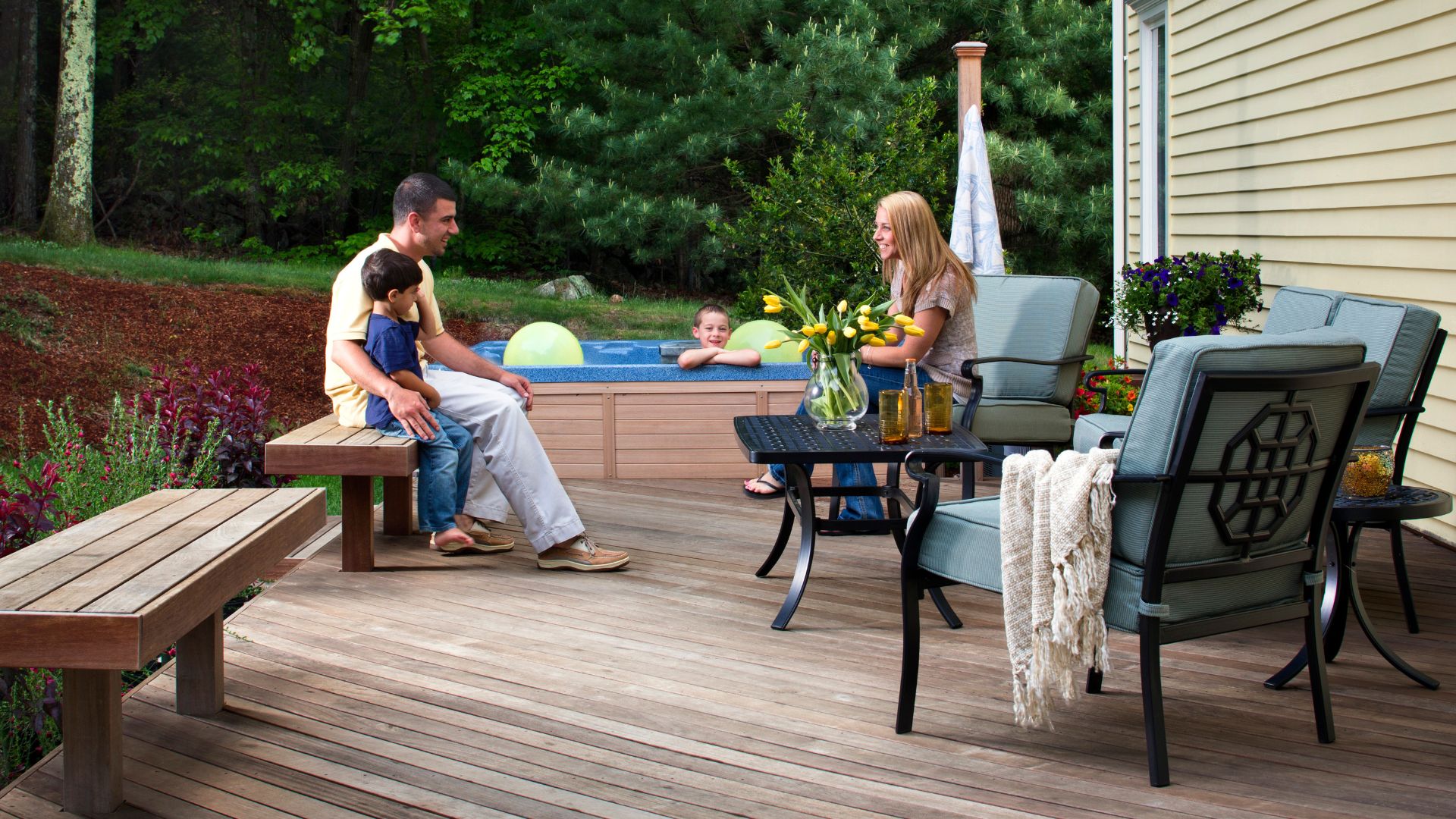
Composite, vinyl and PC decks such as TimberTech and AZEK are the two we install most. Low maintenance decking costs more per square foot up front but holds up better through those seasonal swings. Less cracking, less fading, not much beyond an occasional rinse. We've had homeowners trim their planned square footage by 30 or 40 square feet specifically so they could move into composite instead of wood, figuring a smaller deck they never think about beats a bigger one that turns into a weekend project every spring. Other clients go the opposite direction and stretch the wood budget as far as it'll reach. There isn't really a wrong answer between the two, it comes down to whether you'd rather spend a Saturday on the deck or maintaining it.
.jpg)
Account for What's Already Out There
A new deck doesn't get to claim empty ground. It should fit around the grill you already own, the back steps, whatever path leads to the side gate, and the furniture already in your garage or picked out on a website somewhere. We've measured plenty of decks that looked generous on a drawing, something like 12x16, and then watched a client realize mid-conversation that a sectional sofa, a dining table, and a smoker weren't all going to fit without someone climbing over the coffee table to get to the stairs.
Three feet of open space around a furniture grouping is usually enough for people to walk past without turning sideways. If there's a staircase coming off the deck toward a lower patio or the yard, add a bit more than that near the top step, since that's where foot traffic tends to bunch up.
This is also where we see the same handful of mistakes come up repeatedly. Building out to the exact maximum a lot or a budget allows, with nothing left over for walking room, is probably the one we run into most. Grills and smokers are another sneaky one, homeowners often don't think about where the thing will sit until the framing's already going in, and it ends up wedged into a corner nobody planned for. A deck built off a kitchen or dining room gets undersized more than you'd think too; people underestimate how much that space gets used once it's there. And every so often someone plans around a hot tub they're adding "eventually," only to find out later the framing was never built to carry that kind of weight.
Resale Matters, But It Shouldn't Run the Whole Decision
A well-built outdoor space does help with resale value should you ever decide to sell. That much is true. But a deck that eats the entire backyard can work against a homeowner just as easily as it helps, buyers touring a house tend to notice when there's no grass left, no room for a garden bed, nowhere for a dog to run. A deck sized to fit the lot, with some yard left over, usually reads as more thoughtfully planned than one pushed out to the property line.
The Fastest Way to Land on the Right Number
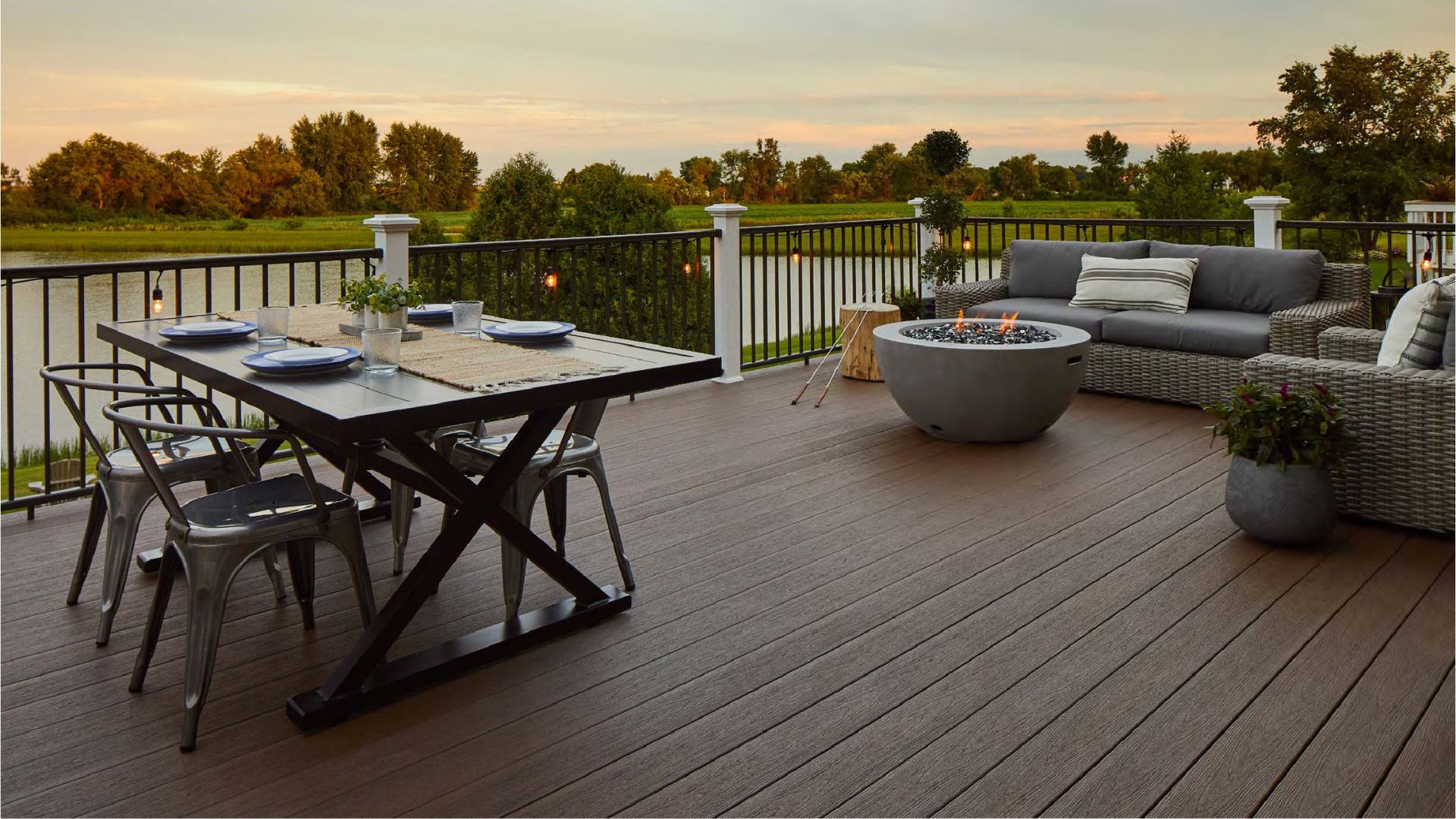
We could keep listing rules of thumb, but at some point, the fastest way to get a real number is just having someone stand in the yard with you. That's what a design consultation is, walking the lot, looking at how much it slopes, checking how the sun moves across the space over the course of a day, and talking through what you told us about how you'll use it. All these factors get folded into a plan built around your property specifically, not something pulled from a stock template.
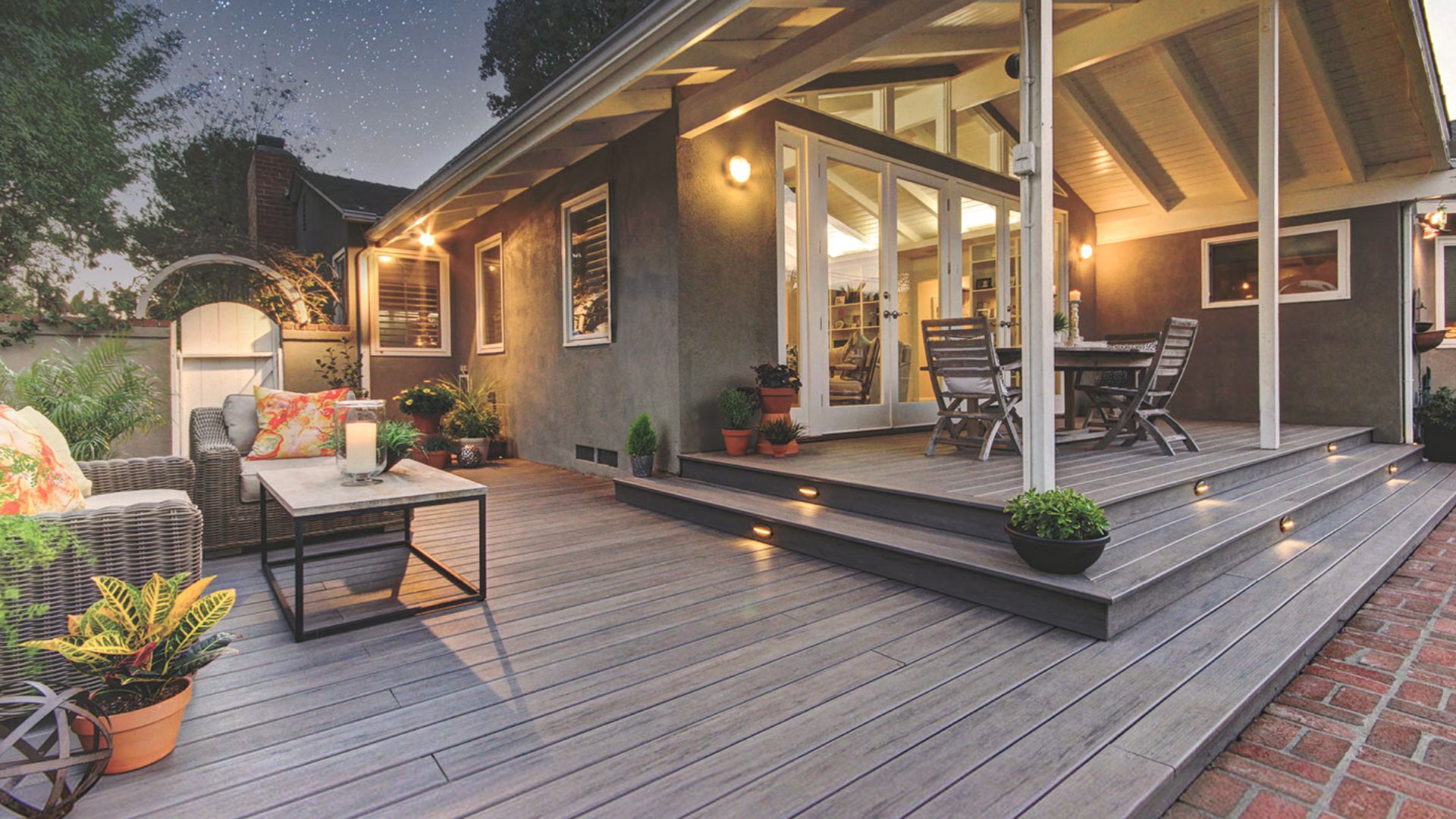
Some homeowners end up with a straightforward rectangular deck. Others need something tiered for a slope, or a deck paired with a porch or patio to make better use of a mountain view. Either way, Archadeck of North Salt Lake City can help you get to a size that fits how you live in your specific backyard, instead of a number that just sounded reasonable at the start.
Ready to Start Planning Your Deck?
Contact us online or call (385) 403-3009 to schedule your complimentary design consultation. We would love the opportunity to work with you!