At some point a house just stops fitting the people in it. Kids need somewhere besides the dining table to do homework, or you started working from home and the bedroom corner isn't cutting it anymore. Whatever it is, most people's first move is calling around for addition quotes, then quietly panicking once they see the numbers and the timeline.
We build sunrooms at Archadeck of Northeast Fort Worth, for homeowners around Arlington, Fort Worth, Keller, Colleyville and the other communities nearby, and honestly it's often the same people who've already gotten sticker shock from addition bids who end up going this route instead. It tends to solve the same problem for less money and a lot less mess.
What a Sunroom Actually Is
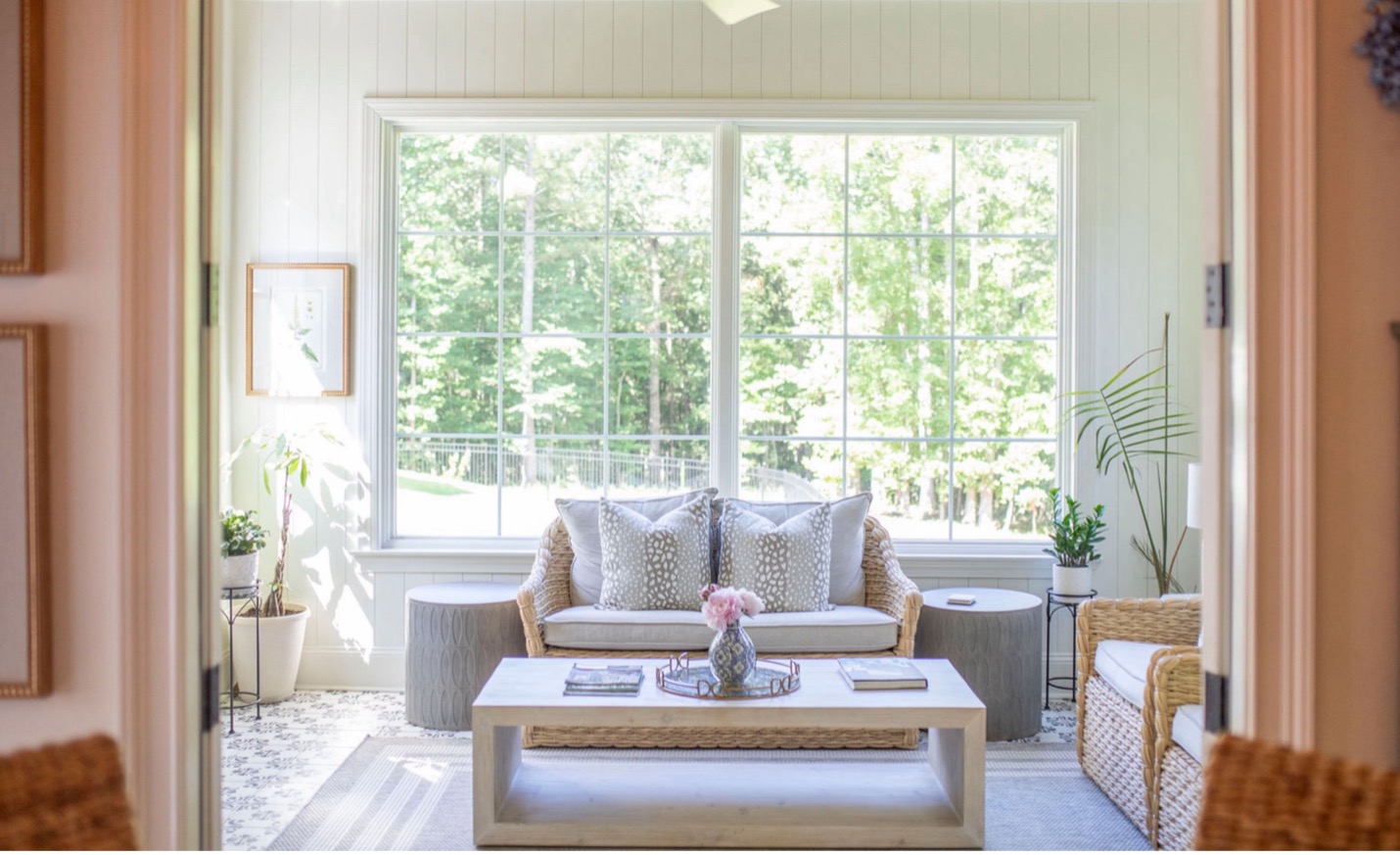
Basically a sunroom is a room that's mostly glass, built onto the back or side of the house. Not a screened porch, so cold weather or mosquito season doesn't shut it down. A proper sunroom gets fully enclosed, insulated, and conditioned, and you can run heat or AC to it if that's part of the build, which means it counts as living space instead of something you use half the year. We've seen people turn them into home offices, playrooms, a reading corner, or just somewhere to have coffee and enjoy the views of Mother nature.
When it comes to outdoor rooms there are basically two directions you can take:
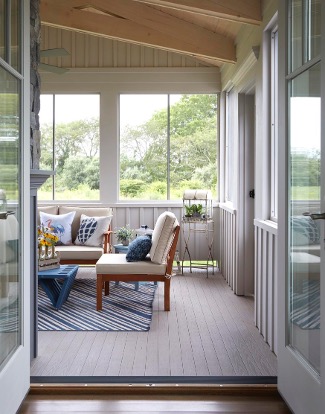
A three-season room is usually constructed using retractable windows systems, such as Eze Breeze, in conjunction with screen. These rooms are built for spring through fall. It's a nice space most of the year but it's not really meant to fight off a January cold snap or the worst of a Texas summer.
Going with a sunroom or four-season room and you get full insulation, plus either a tie-in to your existing HVAC or a mini split of its own. Either way it can handle whatever's happening outside, ice storm or heat wave.
Honestly the right call just comes down to how you'll use it, not which option sounds fancier on paper.
Why Sunrooms Win Out Over a Full Addition
Cost and speed are the big ones, honestly. Think about what a real interior room addition involves: new foundation, maybe touching a load-bearing wall, new electrical and plumbing lines, and a schedule that can drag past the six-month mark before it's done. A sunroom skips most of that mess. There's often a patio slab already sitting there we can build off, which cuts both the cost and the wait way down. We're talking weeks for a sunroom versus months for an addition, in most cases.
Then there's the disruption factor, or lack of it. Because the work happens on the outside of the house rather than gutting an existing room, families tend to keep living normally while it's underway. Nobody's moving into a hotel for six weeks.
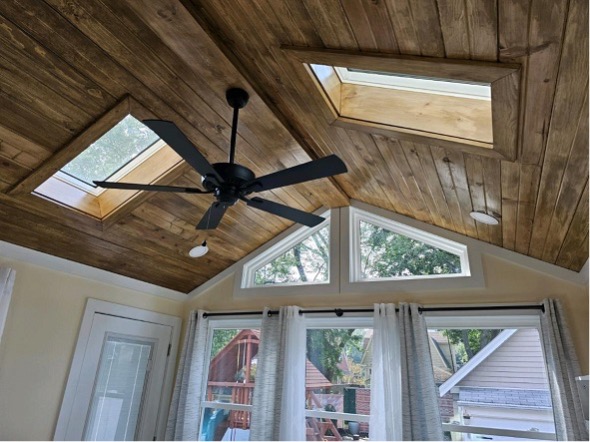
Light is another one people underestimate until they have it. Windows on two or three sides, and even the addition of skylights, change how a room feels completely, and they keep you connected to the backyard in a way an interior addition just can't. That matters more here than it would somewhere with six gray months a year.
Resale value's worth mentioning too. Real, finished square footage holds up at sale time, and most buyers can spot the difference between a room that was built for the long haul versus something slapped on as an afterthought.
Is It the Right Fit for Your House?
The answer here all depends on what's missing from your day-to-day, really. We've built sunrooms that turned into home offices for people who were done taking work calls at the kitchen table. We've built ones that became playrooms, keeping the Lego chaos contained but still bright and open instead of stuck in a basement somewhere. Some become a quiet coffee spot that skips the humidity and bugs. Every so often it's a guest space or something close to an in-law suite, when a full bedroom addition felt like way more than the situation called for.
What works comes down to your lot, where your existing patio or deck sits, which way your house faces the sun, and how you'd use the room across a full year, not just the nice months. That's the reason we start with an in-person consultation instead of quoting something sight unseen.
Sunroom vs. Screened Porch vs. Full Addition
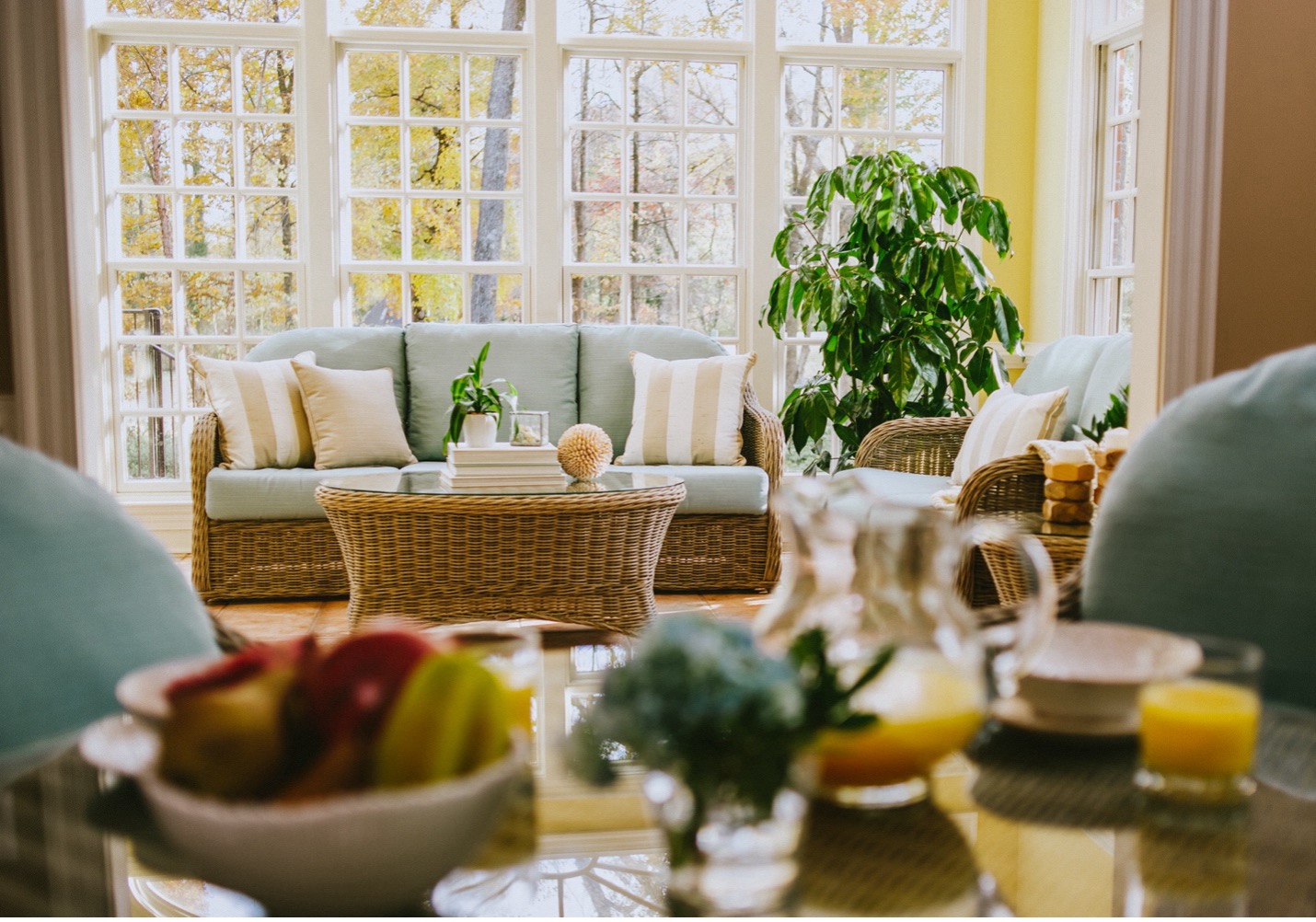
A screened porch can be less costly of outdoor rooms and gives you good airflow, but it's seasonal, and there is no real climate control. An room addition gives you the most permanence and flexibility, but it's also the most expensive and the slowest, often months instead of weeks. A sunroom lands somewhere in the middle. Real square footage you can use year-round, without the price tag or timeline of tearing into your home.
If open air and keeping the bugs out is really all you want, a screened porch probably does the job. If you want an actual room you can use in December just as easily as June, a sunroom is usually the smarter pick.
Built for This Climate, Not a Catalog Photo
Any sunroom going in around here must survive actual Northeast Fort Worth weather, not whatever the mild version in a catalog looks like. We're talking brutal summer heat, humidity nobody loves, and storms that roll in fast and give you almost no warning. Because of that, the glazing and the framing get planned around our climate from the very first sketch, not bolted on as a fix later.
Worth a Second Look
If you're stuck weighing a full room addition against something more reasonable, give sunrooms a second look before deciding. You get the extra room your family needs and a lot more daylight than an interior addition would ever give you, plus some added home value, and none of it requires months of construction or a number that makes you wince.
Archadeck of Northeast Fort Worth builds custom sunrooms along with decks, porches and other outdoor living spaces for homeowners in Arlington, Fort Worth, Bedford, Colleyville, Euless, Haltom City, Hurst, Keller, North Richland Hills and more local towns.
Want to know what's possible for your place? Reach out to us today at (817) 769-9420 to schedule your complimentary design consultation and experience The Archadeck Difference for yourself.

Phillip Clark – Owner Archadeck of Northeast Fort Worth