As a Burlington deck contractor who has had dozens of conversations about composite vs. wood, we can tell you that a lot of what people have heard about composite is outdated. In this article, we’ll clear up some of those misconceptions.
Myth #1: Composite Decking Is Too Expensive
This one comes up in almost every consultation. Yes, composite costs more upfront than pressure-treated wood.
However, the initial price can be deceptive. Because Burlington deck companies see this dynamic play out over and over: homeowners who went with wood end up spending $500–$1,200 every two to three years on staining and sealing. Add that up over a 20-year span and that’s a five-digit sum of money. Composite does not require any of that—just occasional soap and water.
When you run the numbers, composite often costs less per year over the life of the deck and has the combined benefits of low maintenance and a longer lifespan. A typical wood deck will usually last 15 or 20 years. Composite is more often 25 to 50.
Myth #2: Composite Decking Is "Plastic" and Looks Fake
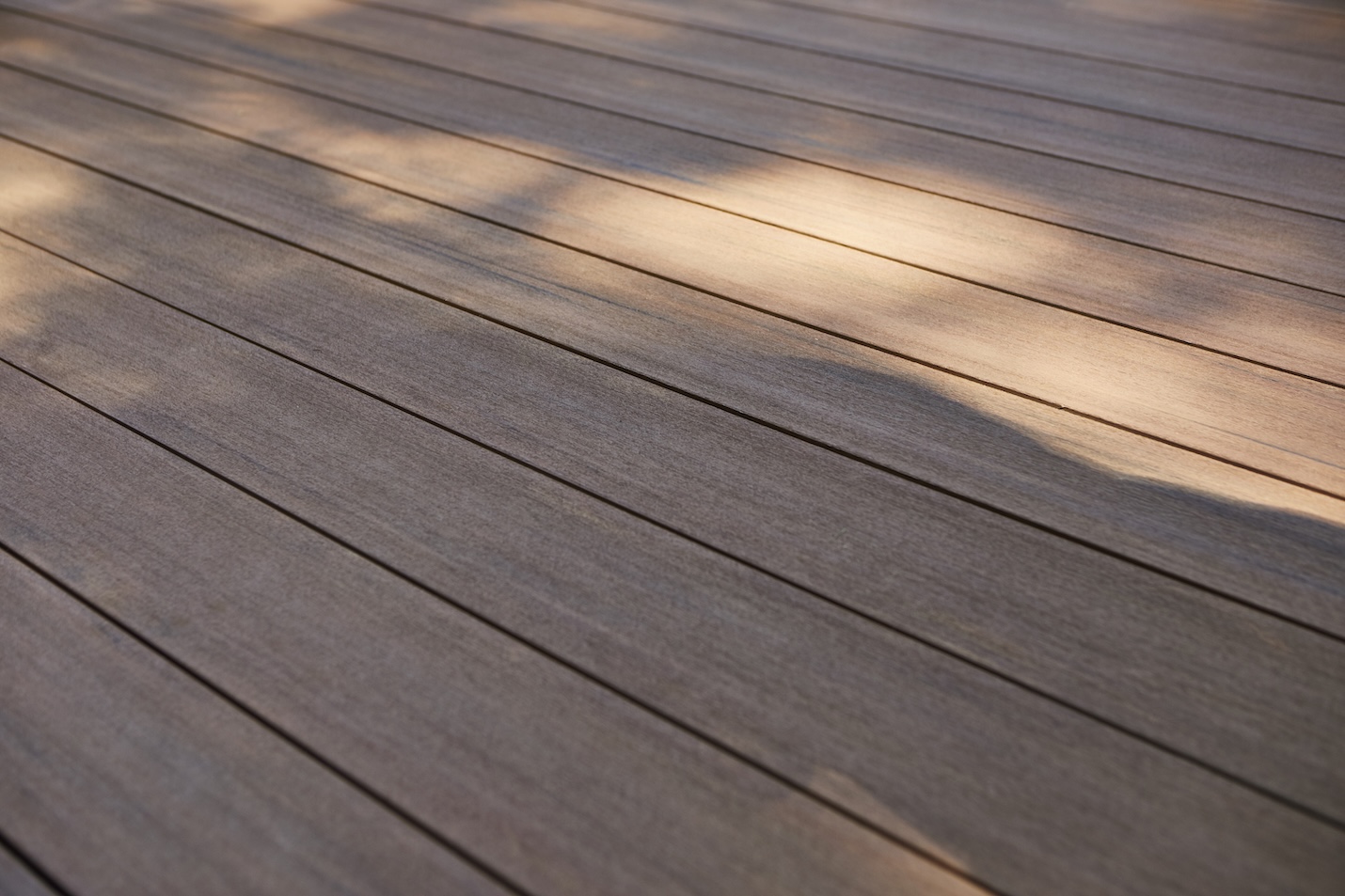
Modern composite has improved upon the previous generation of products that received this reputation. That’s why composite materials these days come with wood grain embossing and multi-tonal coloring on today's boards closely mimic natural hardwoods. Most people can't tell the difference until they touch it.
Take a look at our deck builds gallery and see for yourself. If you would like to see even more examples of this, check out ourdecks page to see what's possible with modern composite materials.
Myth #3: All Composite Decking Is the Same
You’d be surprised just how much variation there is in composite decking on the market these days.
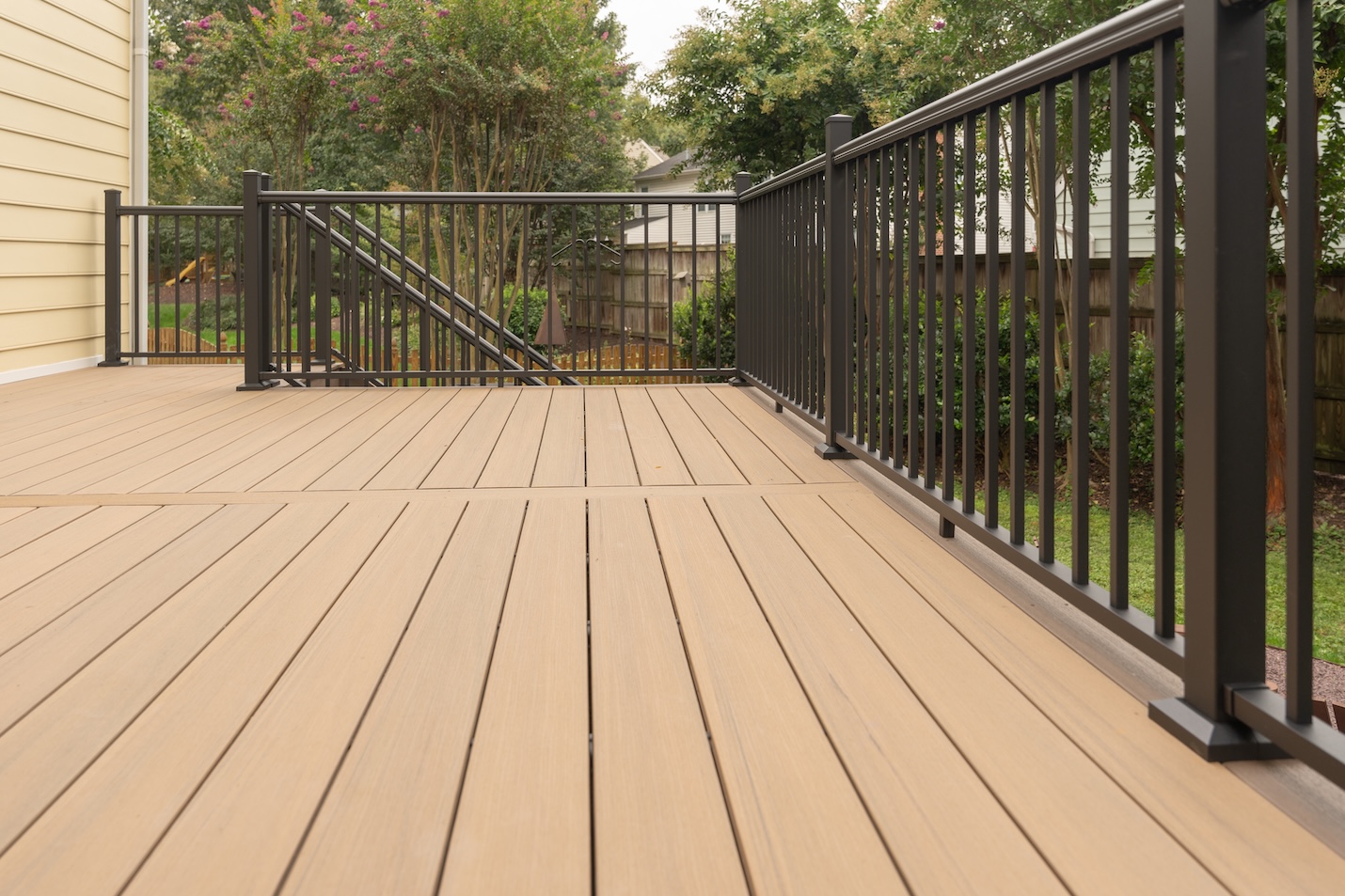
Composite boards vary in a number of different ways. Their core can be solid or hollow and their caps three-sided or four-sided. Some come with added heat resistance so they’re cooler underfoot in the summer (you’ll see this typically with premium products). And the warranty can range anywhere from 10 to 50 or more years depending on what you choose.
When you work with an experienced Burlington deck company, you can count on guidance when it comes to choosing the right material for your budget and performance needs, rather than simply choosing from what you see on the shelf.
Myth #4: Composite Decking Gets Hotter Than Wood
All decking gets warmer in direct New England summer sun.
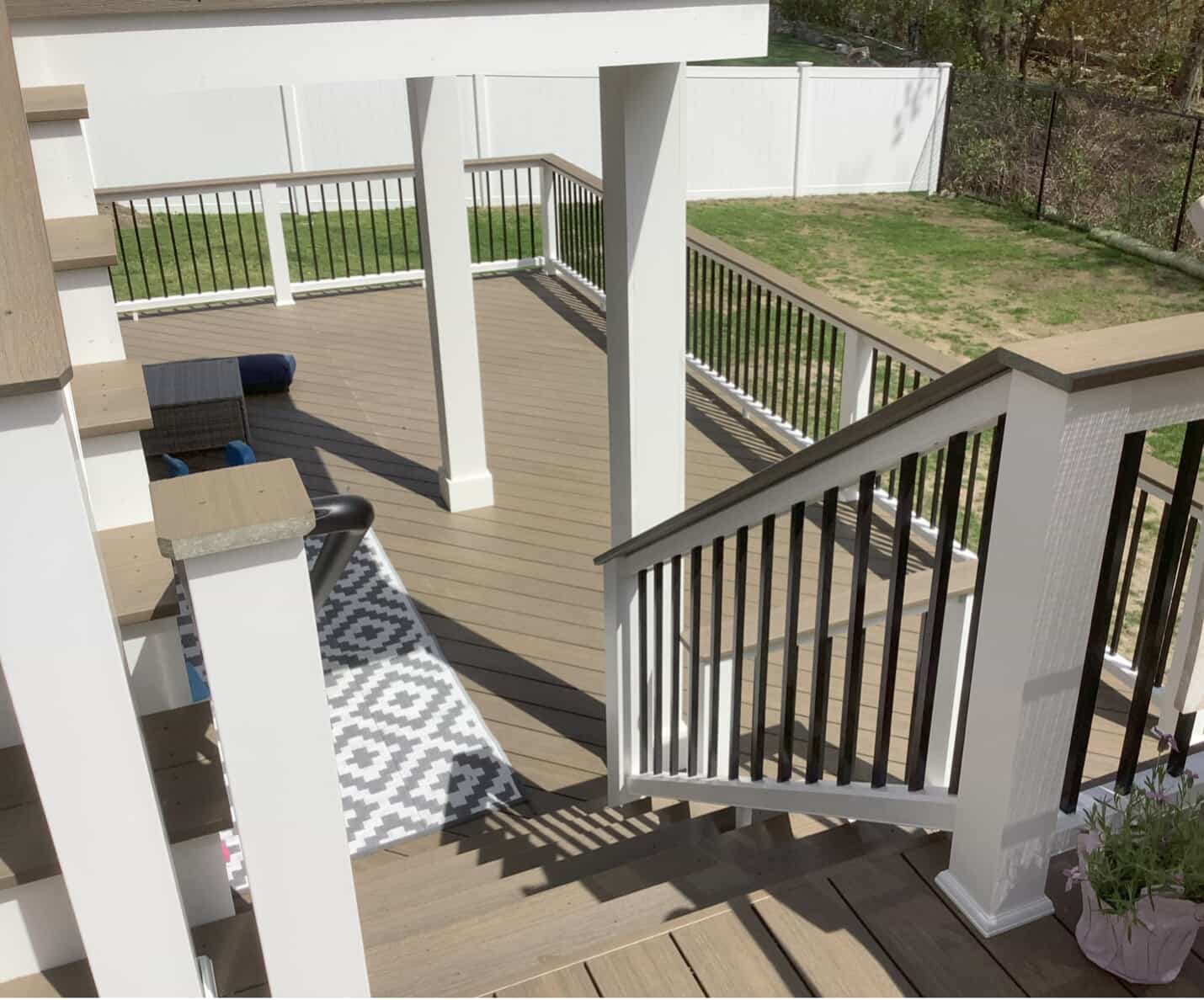
But it’s also worth knowing that the heat absorption is driven primarily by color, not material. Dark boards get hotter, whether they're composite or wood. Lighter tones stay cooler on both. So if heat is a concern, such as for a south-facing deck, you can always go with a lighter color.
That said, premium composite brands have made real progress here. Many now include cooling technology that reduces surface temperature compared to standard boards. Local deck builders who work with these products can point you toward the right options.
Myth #5: Composite Decking Is Maintenance-Free
Composite is low-maintenance, but it’s not no-maintenance. We're honest about this because we'd rather set realistic expectations.
You'll still need to rinse the deck with soap and water a few times a season. Leaves and pollen should be cleared periodically, that sort of thing.
What you won't have to do, however, is sand, stain, seal, or paint. That's where the real time and money savings come in. Over 20 years, you're looking at hundreds of hours and thousands of dollars you won't spend on deck maintenance.
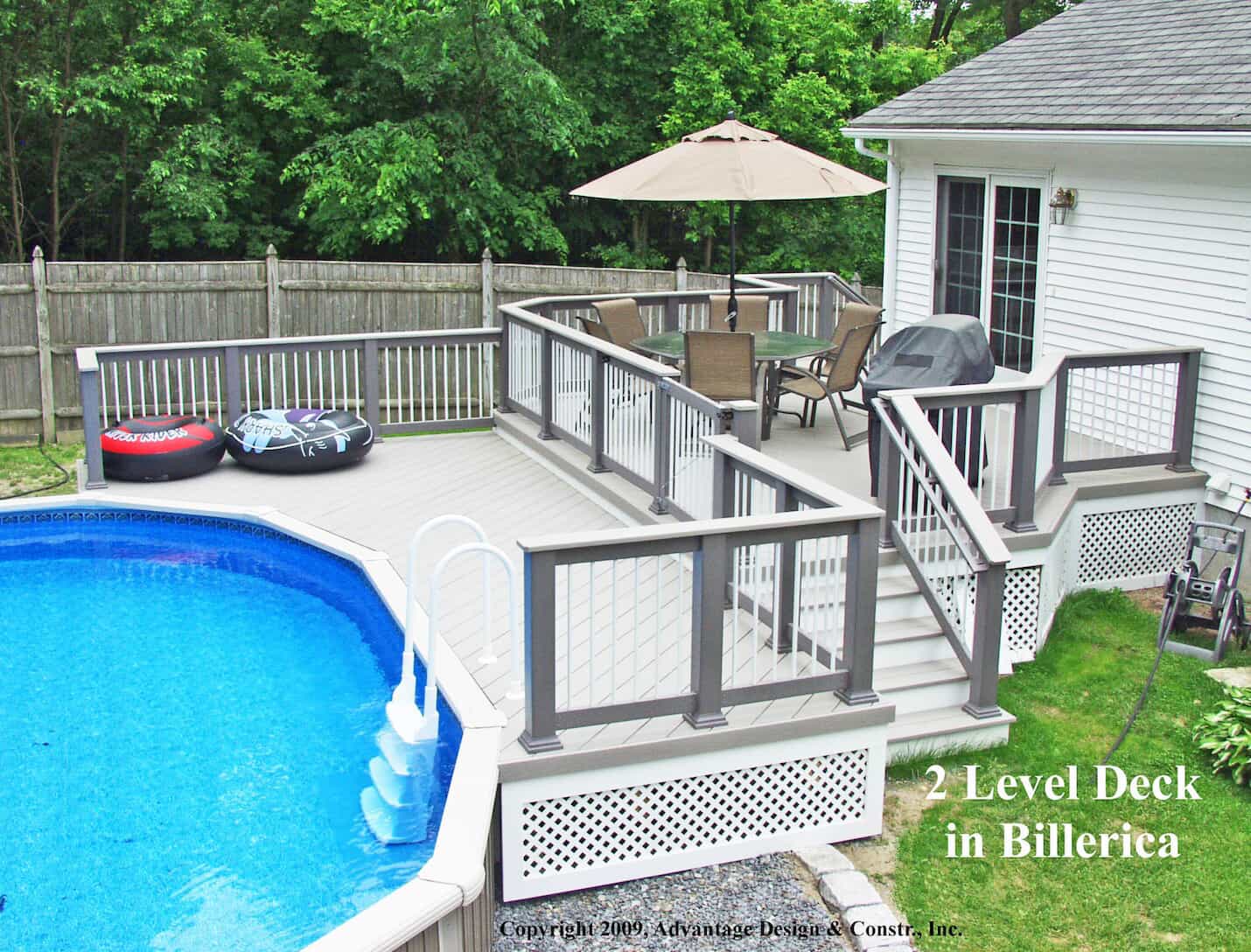
Myth #6: Composite Decking Is Slippery
Composite doesn't have the same issues as wood decks because the material doesn't absorb moisture the same way. In fact, quality composite is manufactured specifically to meet building code slip-resistance standards.
Whereas and old wood deck can become quite slick as it’s porous boards exhibit a build up of algae.
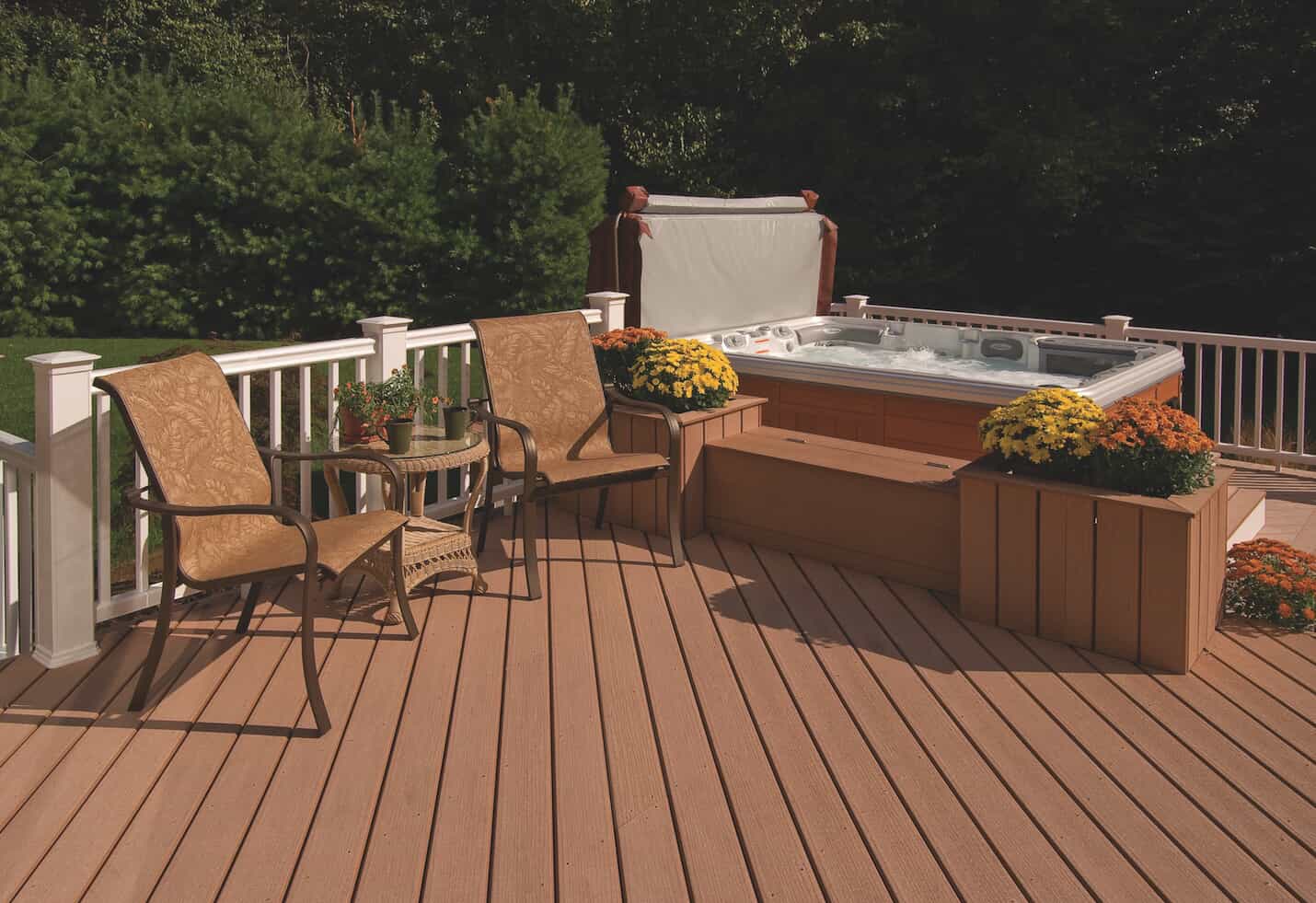
Myth #7: It's Not Strong Enough for Heavy Loads
Building codes are not lax, and there’s good reason for that—you don’t want hot tubs, outdoor kitchens, or heavy furniture falling out of the sky, after all. Composite decking meets or exceeds structural building codes when installed properly.
The real structural work happens in the frame, not the surface boards. Burlington deck builders design proper joist spacing and support systems based on your planned use. The decking material then sits on top of that engineered foundation.
Need a Burlington Deck Builder?
Composite isn't perfect for every situation. But the decision should be based on real tradeoffs, not myths that no longer apply to the latest materials.
If you want to explore the possibilities even further, download ourfree design guide for more on material options and planning.
To learn more about our process and what we can do for you, give us a call at (781) 528-0998 today!