As soon as the weather turns here in the Piedmont Triad, most homeowners quietly file "new deck" or "screened porch" under next year's to-do list. It makes sense on the surface — nobody pictures a construction crew in the yard once the leaves start dropping. But that assumption is backward. Fall and early winter tend to be one of the best windows all year to get a deck, porch, three-season room, or a combination outdoor living space moving.
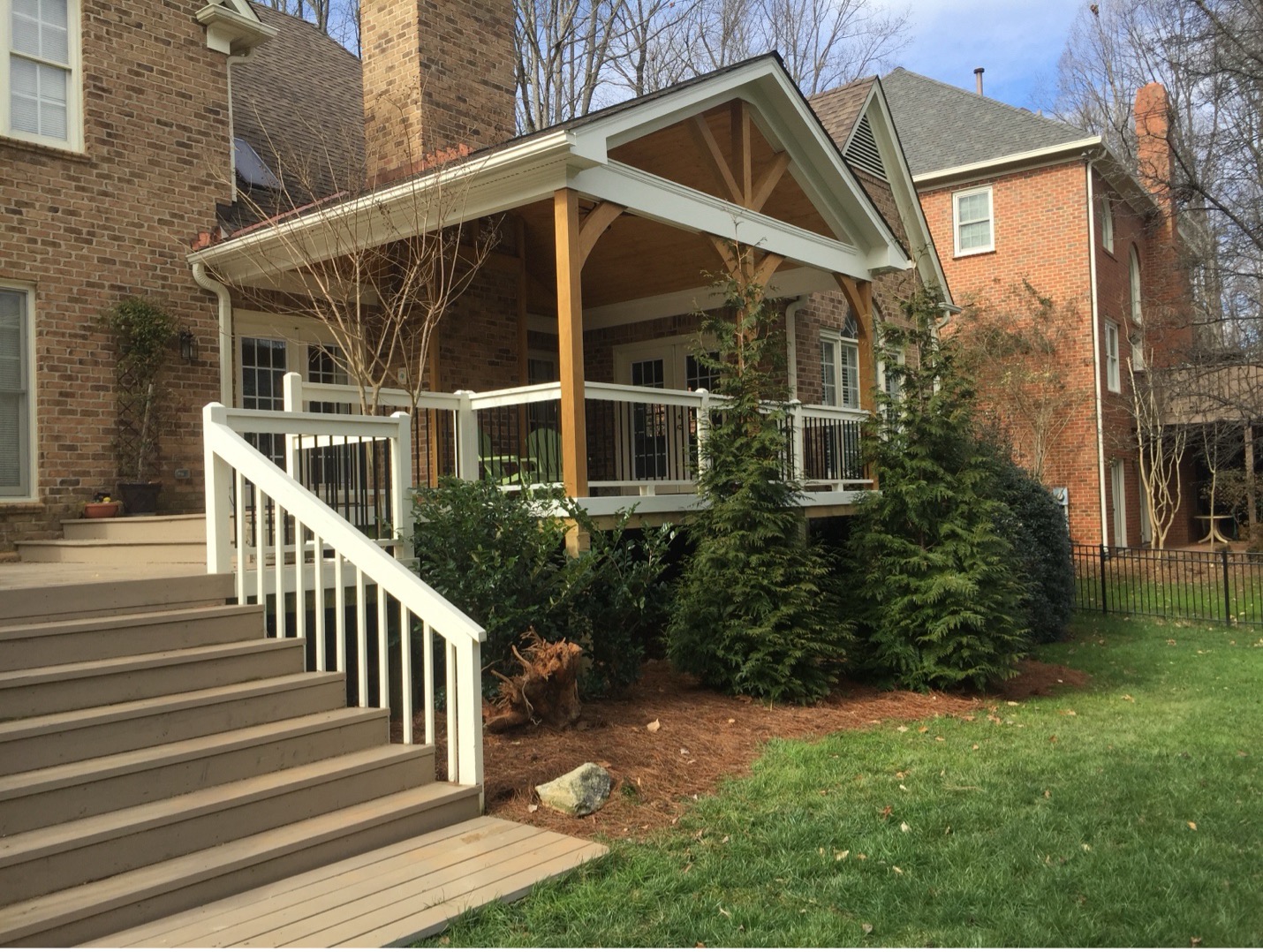
We hear the same thing from a lot of homeowners every October and November: "We'll just wait and call you in the spring." We get the instinct. But that's usually the exact decision that lands people at the back of a very long line a few months later. Below are the real reasons it pays to start now instead.
1. You'll Beat the Spring Backlog
It happens every year, almost like clockwork. First warm Saturday shows up, and every homeowner who spent January and February looking out at a bare backyard is suddenly on the phone. Our design calendar fills up fast, permitting offices get backed up too, and start dates that once looked reasonable keep sliding further out.

Here's the thing about a custom deck or porch: the actual construction might only take a couple of weeks, but getting to that point takes a lot longer. You've got a design to finalize, materials to pick out and order, permits to pull. None of that happens overnight. Start that process now, in the fall, and you're working through it while things are still relatively calm on our end and on the permitting side. By the time spring rolls around and everybody else is just getting on a list, yours could already be done.
2. Fall & Winter Is Genuinely Better for Building
This isn't just a scheduling trick — the season itself works in your favor.
- Wood prefers cooler, drier conditions. Lumber's hygroscopic — it soaks up or releases moisture depending on what's in the air around it. Summer humidity here in the Triad makes that swing bigger, and it can mess with how well the wood eventually takes stain or sealant. Lower humidity means the wood settles in more evenly.
- Your lawn holds up better. Grass and shrubs go dormant around this time of year, so a crew walking across the yard, hauling equipment, setting up scaffolding and work stations, doesn't do nearly the damage it would in June or July. We've seen what an actively growing summer lawn looks like after a build. It's not pretty. Dormant turf in November shrugs it off much better.
- Even the dirt cooperates. Drier, firmer soil this time of year means you're not dealing with the ruts and mud that tend to show up after a spring build gets rained on.
3. Pricing and Material Availability Tend to Favor Early Movers
Material costs don't just sit still all year. Decking, framing lumber, all of it tends to creep up as spring demand picks up. Lock in your design now and you're more likely to dodge that. There's also the matter of selection — order in the fall and you actually get to pick the color and finish you want, rather than settling for whatever's still sitting on the shelf once April hits and everyone's building at once. Same goes if you're financing part of the project. Getting ahead of the rush usually works out better on that front too.
4. It's Just Less of a Disruption
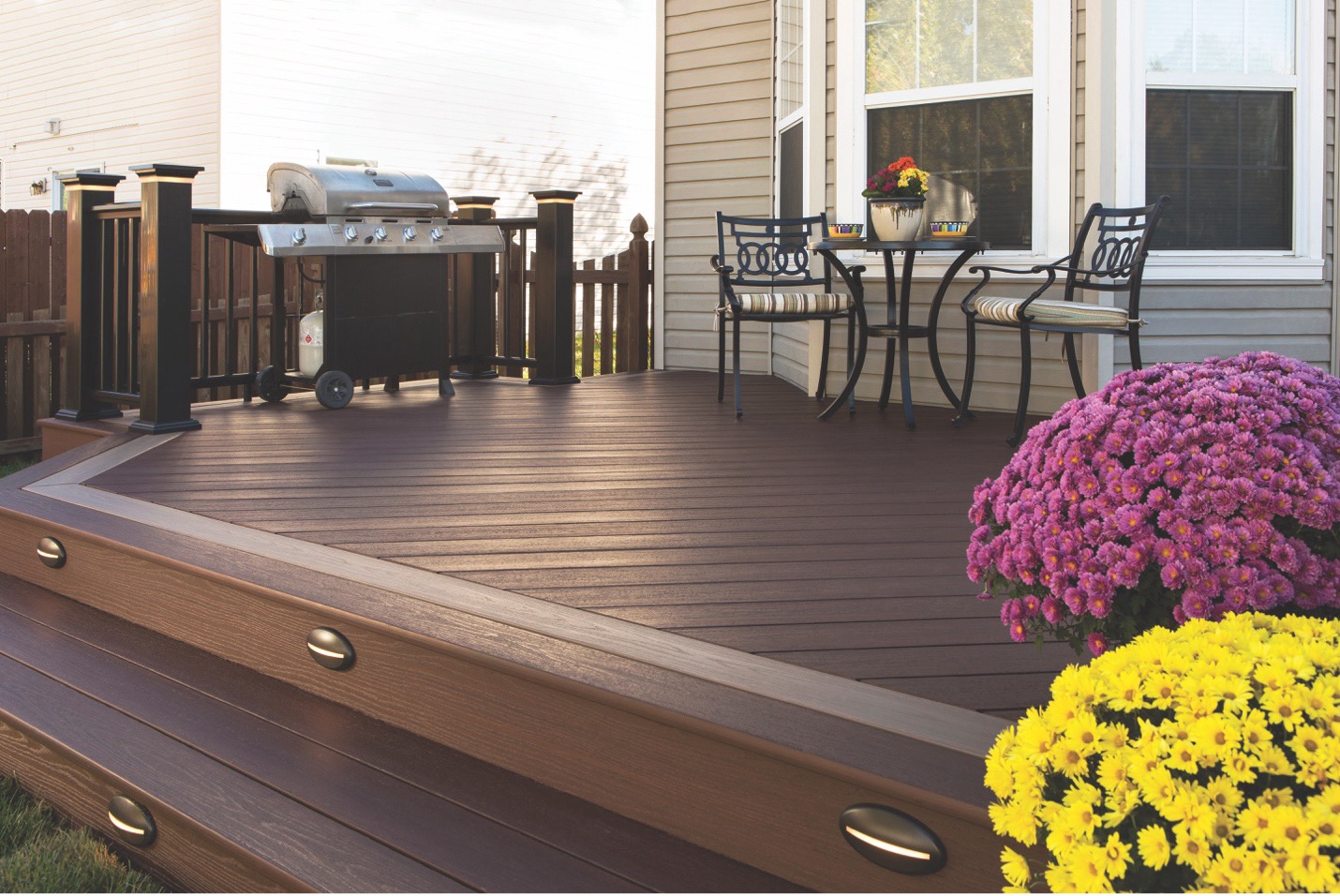
Look, any backyard build is going to come with noise and mess. There's no getting around that part. What changes is how much it interferes with your life. Nobody's out grilling every night or letting the kids run around the yard in November the way they are in July, so a crew being out there just doesn't bump up against your routine the same way. Kids are in school, weekends are less about the backyard, and honestly most people barely notice construction is happening until they check on progress.
5. You'll Be Ready When the Weather Turns
Here's maybe the simplest reason of all. A project built over the fall and winter is sitting there finished, waiting for you, the first warm weekend of spring. Instead of spending next year's outdoor season watching construction happen, you're the one hosting the first cookout or breaking in a new porch while everyone else is just scheduling their design consultation.
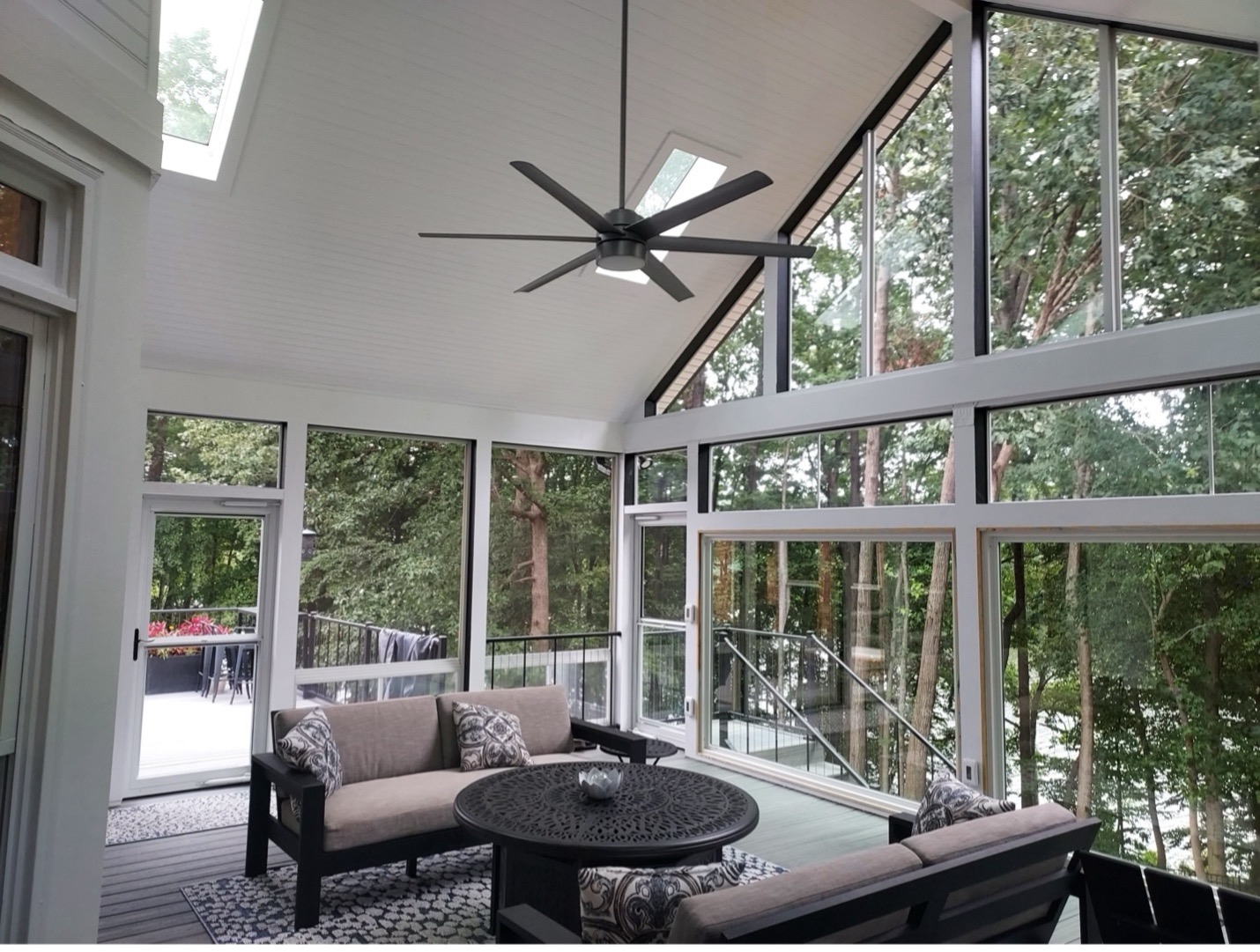
This is especially true for a three-season room. These spaces exist to stretch your usable living area well past the summer months, so having one finished before spring means you get to use it on that first mild afternoon in March, rather than waiting on a summer build schedule to catch up.
Planning a Combination Space? Timing Matters Even More
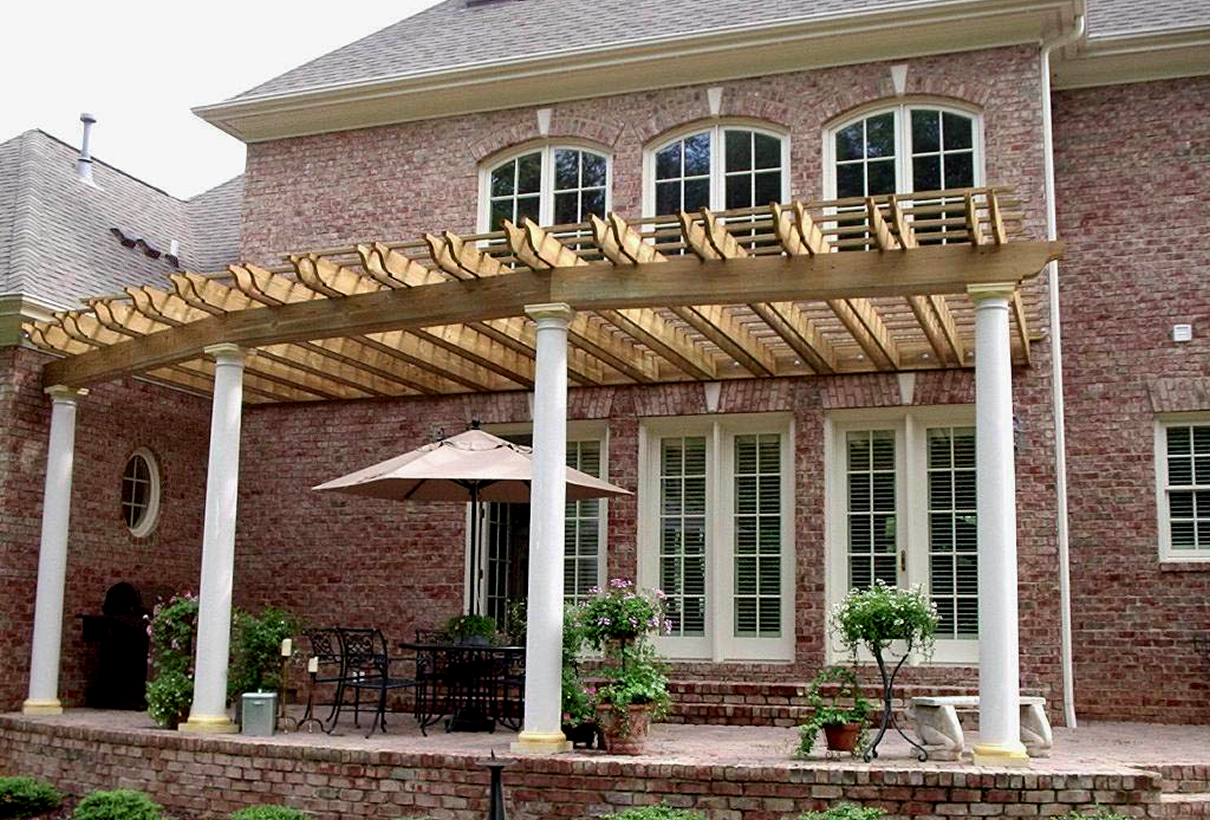
If what you've got in mind blends more than one feature, say a deck that flows into a screened porch, or a patio with a pergola and outdoor kitchen tucked in, there's just more to plan for. With a combination design, there are more decisions to make, more materials to line up, more pieces that all must work together. That's exactly the kind of project you don't want to rush through on a tight spring calendar. Starting the conversation now gives our design team the room to think it through.
The Bottom Line
Outdoor living projects have a reputation as warm-weather work, but that's realistically more habit than fact. Fall and winter are often the better time to move from idea to actual build here in the Piedmont Triad — you'll wait less, your yard and materials come out ahead, and you'll be first in line to enjoy the finished space once the weather turns.
If a new deck, porch, three-season room, or custom combination space has been on your mind, now's the time to start talking about it. Give Archadeck of the Piedmont Triad a call at (336) 664-1332 for a complimentary design consultation, and let's get your project moving before the spring rush hits.
You can also fill out our easy online form located on our website.

Greg McNeer- Owner Archadeck of the Piedmont Triad