Summer in Fort Worth has a way of stress-testing everything. Your HVAC. Your patience. And absolutely your patio.
We get calls and emails every week from homeowners across the local area asking some version of the same question: "We want a new patio — should we go with pavers, that overlay stuff, or real stone?" It's a fair question, and the answer depends on a handful of factors that most people haven't thought through yet.
So, here's our honest take, not a sales pitch for any specific type of patio, just the kind of straight talk we'd give you sitting at your kitchen table.
Let's Make Sure We're Talking About the Same Things
Before comparing performance, it helps to get clear on what each option is. "Decorative overlay", in particular, tends to draw a blank stare.
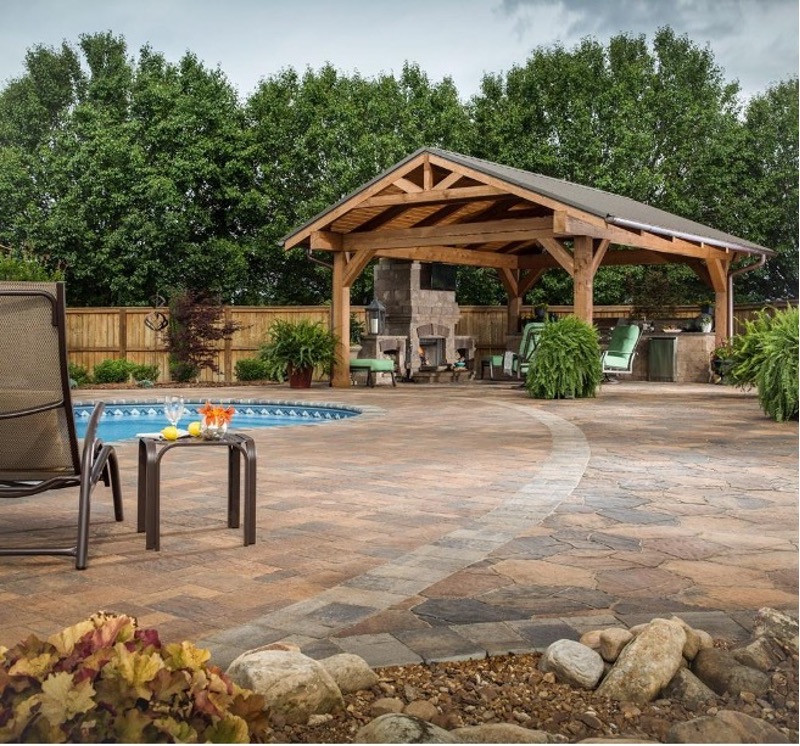
Concrete Pavers
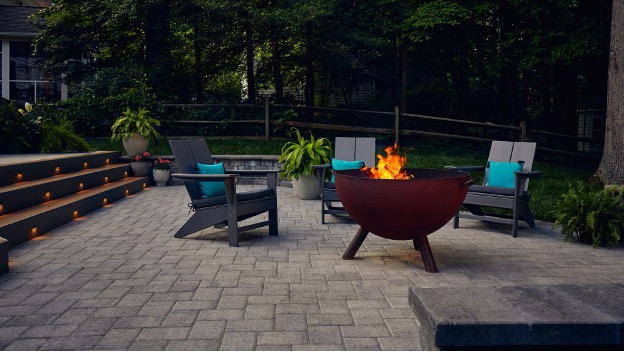
Think of pavers as an outdoor puzzle with individual concrete, brick, or clay units set into a prepared base and locked together by compacted sand and edging. No single slab. No big pour. The design flexibility is real: you can do herringbone, running bond, basketweave, mixed colors, contrasting borders. And if one paver chips or settles wrong five years from now, it can be pulled and replaced without touching anything else.
Decorative (TPC) Overlay
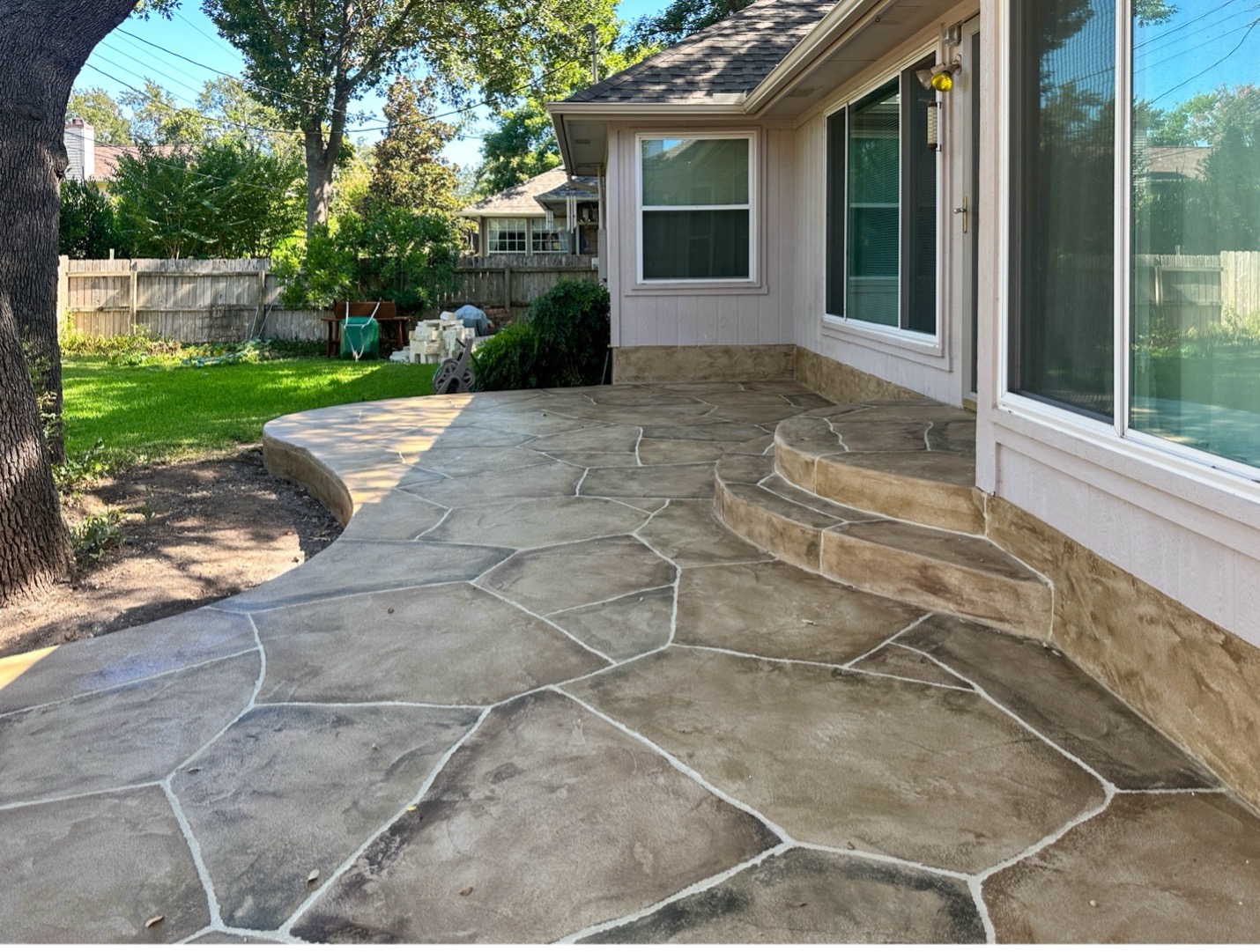
TPC — Textured Polymer Concrete — is a coating system bonded directly to an existing concrete slab. It's worth being clear about what this isn't: it's not paint, not a thin skim coat, and nothing like those peel-and-stick tile stickers you see at the hardware store. A proper TPC installation bonds chemically to the slab below and gets stamped, textured, and sealed to mimic slate, tile, or stone at a fraction of the cost. The catch is the "existing slab" part, meaning if the concrete underneath is cracked, heaving, or draining poorly, that's going to show up in the overlay eventually.
Natural Stone
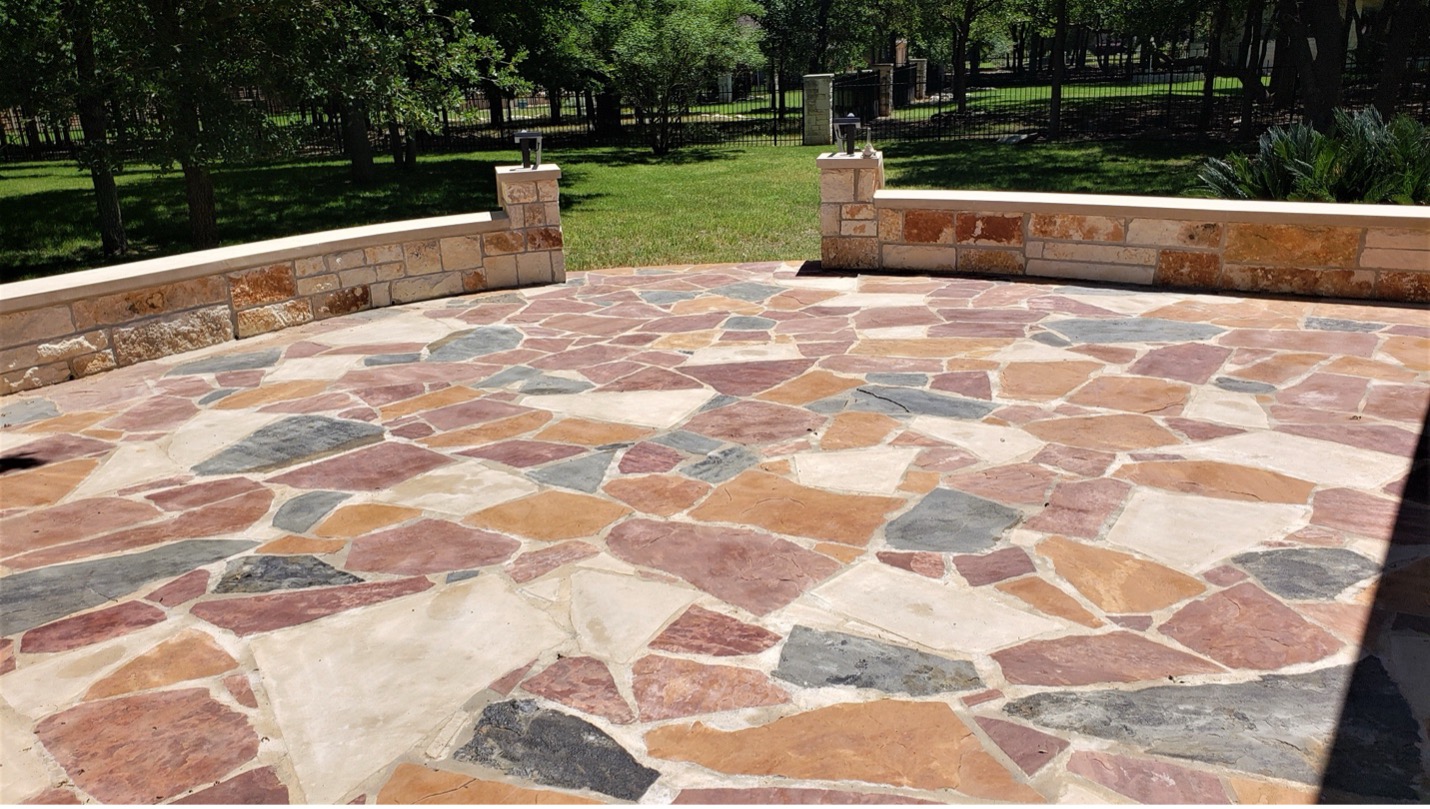
Limestone, travertine, Lueders, flagstone, slate, and bluestone are all a part of the broad category of natural stone. Every piece came out of the ground somewhere, which means every piece is a little different. That variation is part of the appeal. It's also why costs swing widely according to the species of stone, where it's quarried, how it's cut and finished, and how complex the installation pattern. These factors can all move the number.
What North Texas Actually Does to Outdoor Surfaces
This is where the comparison gets interesting, and where generic patio advice from a company that isn’t truly “local” starts to fall apart. Fort Worth is not San Diego. It's not Denver. It's not even Houston.
We regularly push past 100 degrees in July and August, and those temperatures don't just feel miserable — they drive expansion and contraction cycles in rigid materials that add up to real stress over time. Our clay soil is the other big variable. It shrinks dramatically during dry stretches and swells back up after rain, and any patio sitting on top of it is going along for the ride whether the installer planned for that or not. Add in the UV load from a sun that feels about three feet overhead from May through September, and you've got a demanding environment.
The storms deserve a mention too. When a North Texas thunderstorm rolls through, it doesn't mess around. Drainage matters here in a way it simply doesn't in drier climates.
How Each Material Handles What We Just Described
Pavers
Pavers handle movement well, arguably better than any other option because movement is built into the system. There's no monolithic slab to crack when the soil shifts. The joints flex. Individual units accommodate what the ground is doing underneath without the whole surface failing. That's a meaningful advantage in Tarrant County clay.
On the heat side, it depends a lot on the color and texture you choose. Dark pavers in full sun get scorching by early afternoon — especially unpleasant on bare feet. Lighter tones and textured surfaces run noticeably cooler. No concrete-based surface stays comfortable the way a wood deck in shade does, but smart color selection can make a real difference.
Sealing every few years keeps color consistent and protects against staining. Skip it long enough and you'll notice fading, especially in areas with direct afternoon sun.
TPC Overlay
TPC has a solid track record in hot climates as we've seen it hold up well through Texas summers when the installation was done right. The key phrase there is "done right," and the bigger qualifier is the slab underneath. A TPC overlay is only as good as the concrete it's bonded to. Good base, good results. Slabs with existing cracks or drainage issues? Those problems will eventually surface.
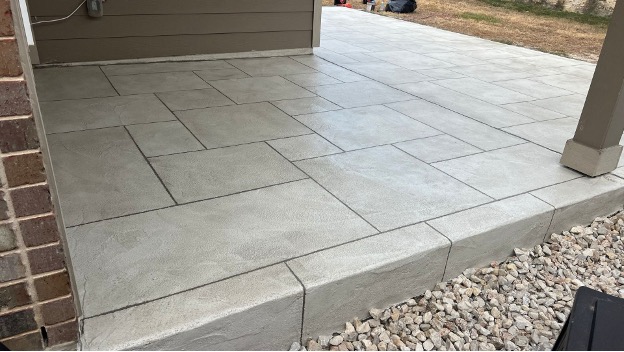
One thing we genuinely like about TPC for Texas homeowners: the textured surface tends to stay slip-resistant, which matters when afternoon showers hit a hot surface and the kids come running out barefoot. The texture also disperses heat a bit differently than a flat, smooth surface.
Color will fade with UV exposure over time but that's true of almost any coated surface. The pigment system and sealer quality at install also make a significant difference in how fast that happens. Budget for resealing every two to three years and you'll stay ahead of it.
Natural Stone
Here's something worth knowing - limestone and travertine actually feel cooler underfoot than concrete-based surfaces in comparable conditions. There's a reason people have been building outdoor spaces with stone in hot climates for a very long time. When natural stone is installed well — on a properly prepared base with appropriate joint material — it can outlast everything else on this list.
The challenges in our specific market are real, though. Clay soil movement is hard on mortared stone joints as they can crack and shift, and repair work isn't always cheap. Porous stone like travertine needs consistent sealing or you end up with staining that's difficult to address. And the upfront investment is simply higher across the board: material costs, skilled labor, and the base preparation required to do it correctly.
None of that means don't do it. For the right property and the right homeowner, there's nothing that looks quite like well-laid natural stone. Just go in clear-eyed about what ownership looks like.
The Quick Version, If You're Short on Time
On cost, TPC overlay typically runs lowest, particularly if there's an existing slab worth saving. Pavers land in the middle, with price climbing based on pattern complexity and paver style. Natural stone sits at the top of the range, with wider variation depending on the species.
On durability in North Texas specifically: pavers are the most forgiving of soil movement. TPC overlay performs well when the base is solid. Stone can go either way — exceptional longevity when installed right, or persistent headaches when the soil isn't accounted for.
On maintenance: all three need periodic attention. Pavers want resealing and occasional joint sand replenishment. TPC overlay wants resealing. Stone wants the most consistent care, especially if it's a porous variety. The homeowner who "doesn't want to deal with maintenance" probably shouldn't go with natural stone in this climate.
On aesthetics: stone wins on depth and uniqueness, full stop. Pavers offer the most design flexibility from a pattern and layout standpoint. TPC overlay can cover a lot of visual ground at a lower price point, and still looks stunning.
Which One Is Actually Right for Your Project?
We'd steer you toward TPC overlay if your existing slab is structurally sound and you want a significant visual transformation without the cost of starting from scratch. It's also the right call when budget is genuinely tight — done well, it holds up and looks sharp.
Pavers make a lot of sense when you're building a new patio area, when an existing slab needs to be replaced anyway, or when long-term repairability matters to you. They're also the most versatile for creative layouts and larger outdoor living spaces with multiple zones.
Natural stone is worth the investment when aesthetics are the top priority, you're in it for the long haul, and you're committed to the maintenance schedule it deserves. The homeowners who love their stone patios — really love them — tend to go in knowing exactly what they signed up for.
One thing we say to almost every homeowner regardless of which direction they're leaning: the material is only half the story. A beautiful paver laid on a poorly compacted, improperly graded base isn't going to stay beautiful. The prep work is where a lot of patio projects succeed or fail, and it's not the glamorous part that shows up in before-and-after photos.
Why We Don't Give a Recommendation Until We See Your Yard
Every property we visit is different. The soil drainage situation in Keller isn't the same as it is on the other side of 820. A backyard that gets full western sun until 8pm in summer puts different demands on a surface than a shaded courtyard space does. The existing slab that one homeowner wants to work with might be worth saving — or it might need to come out entirely before we do anything.
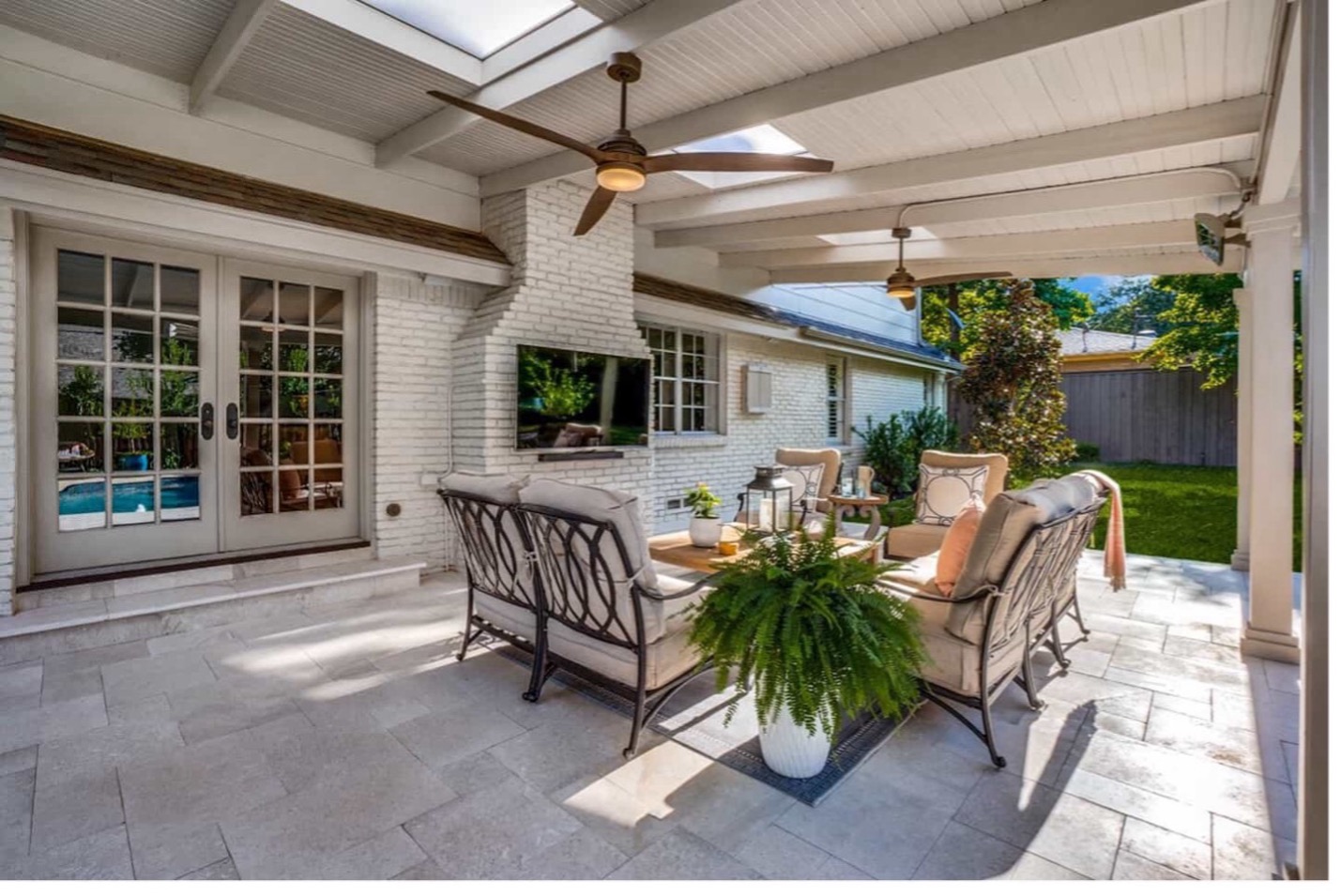
When we sit down with someone, we're asking about how they use their outdoor space, what they've had go wrong before, whether they have kids or dogs or both tearing through the area, how much time they realistically want to spend on upkeep. Those answers change things. A family with three dogs and a full social calendar gets different advice than a couple who wants a quiet seating area off the master bedroom.
We realize this blog can only go so far. But hopefully it gets you to the consultation with a clearer sense of what you're weighing
Talk to Us Before You Commit to Anything
Archadeck of Northeast Fort Worth offers a complimentary design consultation — no obligation, no pressure to sign anything. We come out, look at your space, talk through what you're trying to accomplish, and give you a real recommendation based on what we see. If pavers are right for your yard, we'll tell you. If TPC overlay makes more sense, we'll tell you that instead.
Call us at (817) 587-0059 or reach out online to get on the schedule. We serve homeowners across Northeast Fort Worth and the surrounding communities.
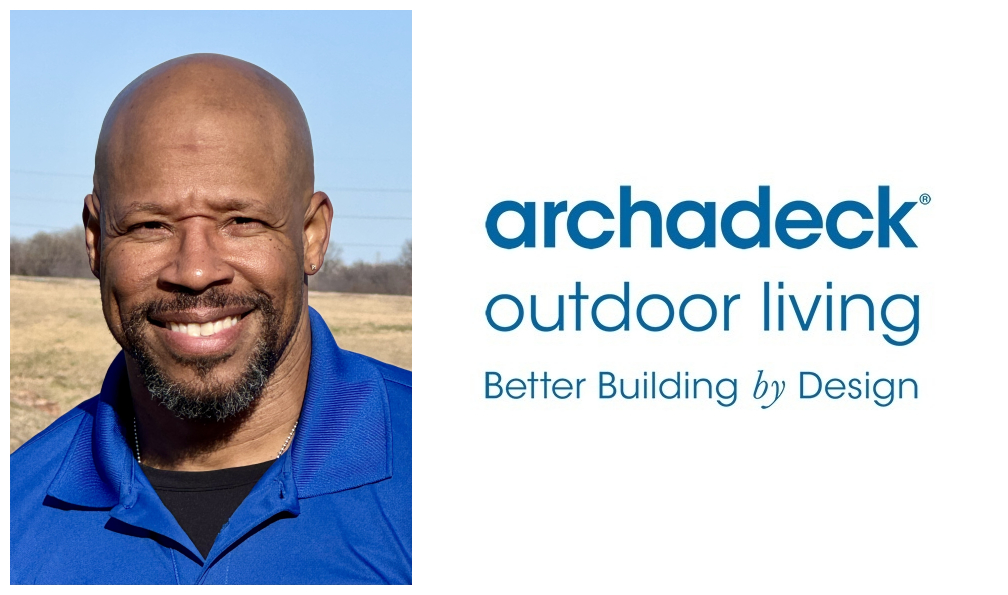
Phillip Clark – Owner Archadeck of Northeast Fort Worth