Choosing a composite deck builder is one of the bigger decisions you’ll make for your backyard, and the stakes are high given how important a home addition is for your lifestyle and home’s value. A deck built on the wrong framing can sag, squeak, or open up at the seams within a few years, even when the boards themselves are top quality, making the right material choice essential. The good news is that, with the right help, you can make an informed decision that is best for you and your deck! Below, we’ll walk through the questions to ask, the local weather conditions that could shape your choice, and the warning signs that a builder may not be the right fit.
Composite Is Not Just Wood That Won’t Rot
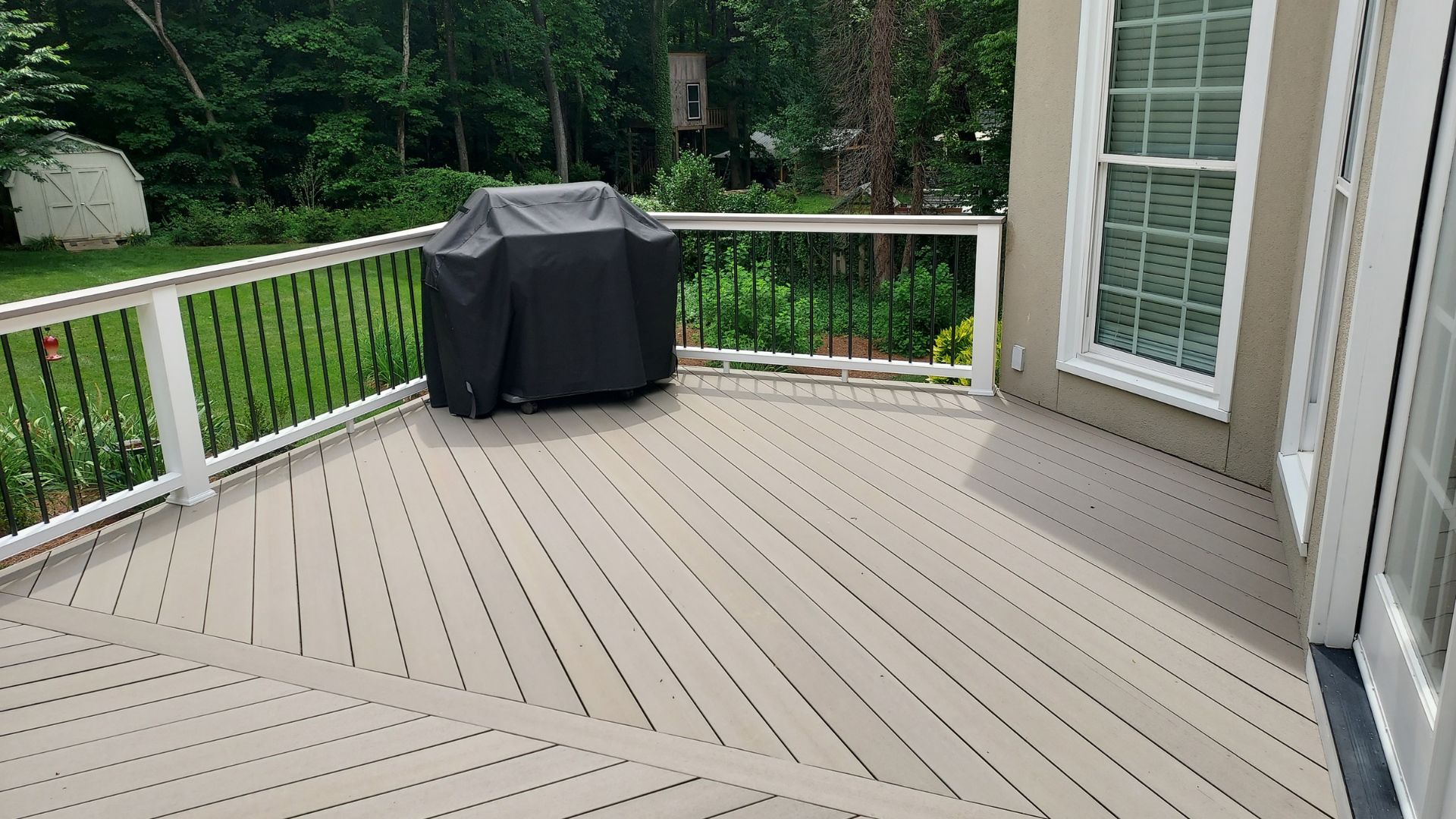
Plenty of contractors treat composite decking like wood because they use the same framing, screw the boards down like pressure-treated wood, and call it finished. The deck may look fine in its first year, but structural and installation problems usually surface later due to misalignments between an installation method and the decking material’s manufacturer’s recommendations. Weight is the first thing to consider. Some composite boards are denser and heavier than standard wooden decking, and the framing must carry this additional burden. A builder needs to design the frame for that weight before materials are even ordered.
Joist spacing matters just as much. Most composite manufacturers call for joists at 16 inches on center, and many require 12 inches for boards laid on a diagonal or in a herringbone pattern. Wider spacing may save some lumber, but it makes the deck feel springy underfoot and can void the manufacturer’s warranty, putting your investment at risk over time.
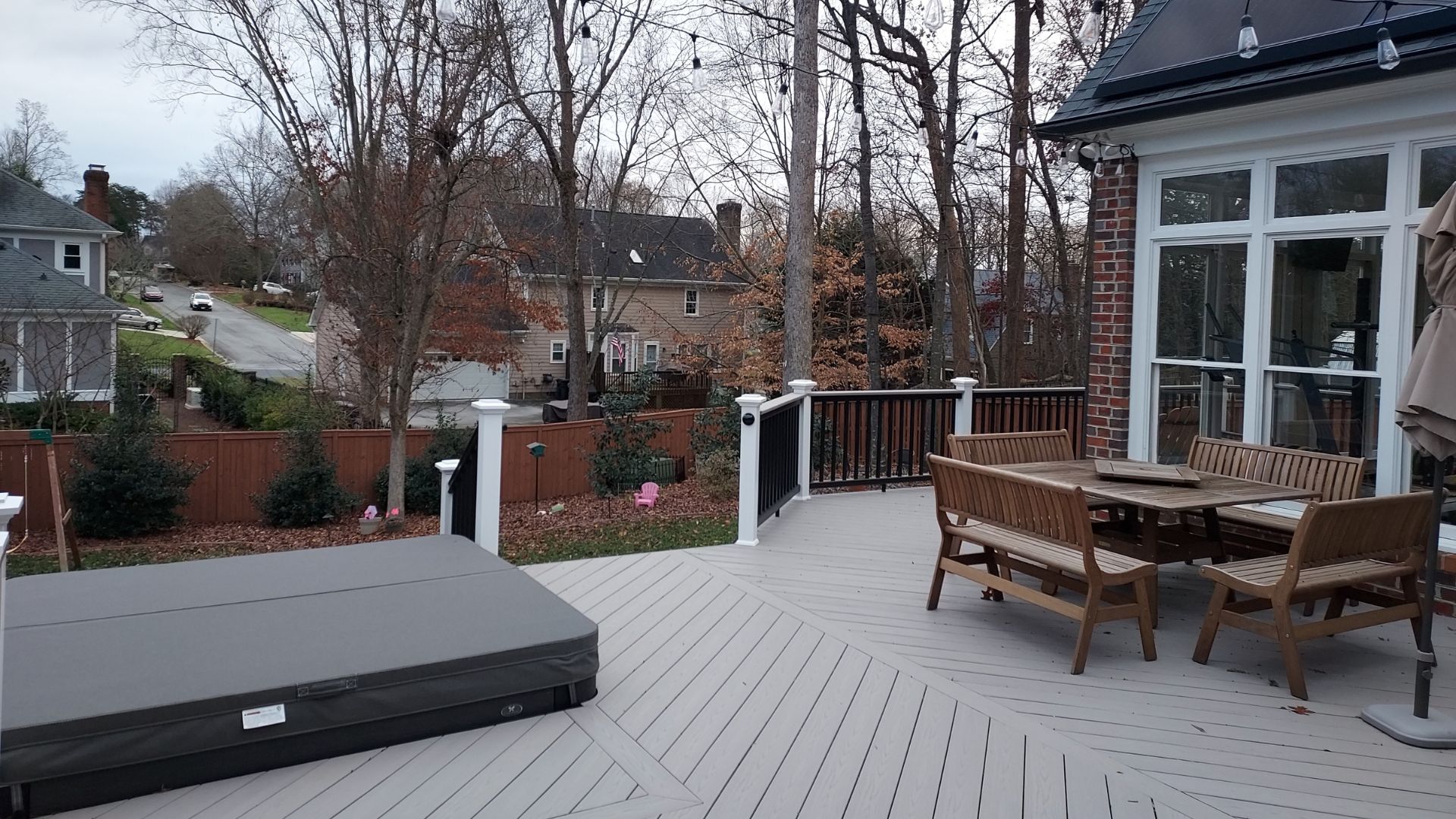
At Archadek, we account for all the ways in which composite materials behave differently from wood, including the fact that composite expands and contracts in different ways than wood. Triad weather swings from 95 degrees in July to frosty January mornings, so board gapping must account for these temperature extremes and the expansion and contraction these boards experience. An inexperienced builder likely won’t consider this decking behavior. If your builder installs boards against manufacturer recommendations, you’ll likely see widespread damage to your deck as a result.
Fasteners deserve attention, too. Hidden clips give composite its clean look, but TimberTech, AZEK, and other brands each use different clips, groove profiles, and installation rules. A builder who installs composite every week knows those details. A builder who doesn’t will be using your project as an experiment or a learning experience; not the ideal scenario if you are investing a lot into your deck project. While these challenges are real, they are accounted for in our building process. When crafted correctly, as we do at Archadeck, your composite deck will be far more durable than natural wood, lasting for decades!
Seven Questions to Ask Composite Deck Builders
You don’t need to know what a rim joist is to ask good questions. Try the ones below and pay attention to the answers. Builders who know their trade usually respond with specifics, while vague answers tell you a lot on their own.
- “How many composite decks have you built? Can I see some?” Ask for older projects if you can. Any deck looks sharp the week it’s finished, but the real test is how it holds up after three or four North Carolina summers. Our deck photo gallery at Archadeck includes a mix of local projects you can compare against. Our Design Consultants can provide you with a list of 100 referrals, and more if you wish.
- “Whose boards do you install, and has the manufacturer trained you?” TimberTech/Azek and Trex both run contractor programs that require training on their installation specs. Some of those certifications come with longer labor warranties. We work with both companies, and you can read more about our material partners.
- “Who’s doing the design?” Some outfits sketch a layout on a legal pad in your driveway. That might be fine for a small 10x12 platform, but a larger deck needs someone asking how you’ll actually use it. Is the grill on the left or the right? Does the late sun land in your eyes at dinner? Do the stairs drop you into the azaleas? If you haven’t seen a drawing yet, hold off on writing a check. With Archadeck, your Design Consultant will present a scale drawing and a formal proposal that describes the specific materials we suggest using so that there are no surprises!
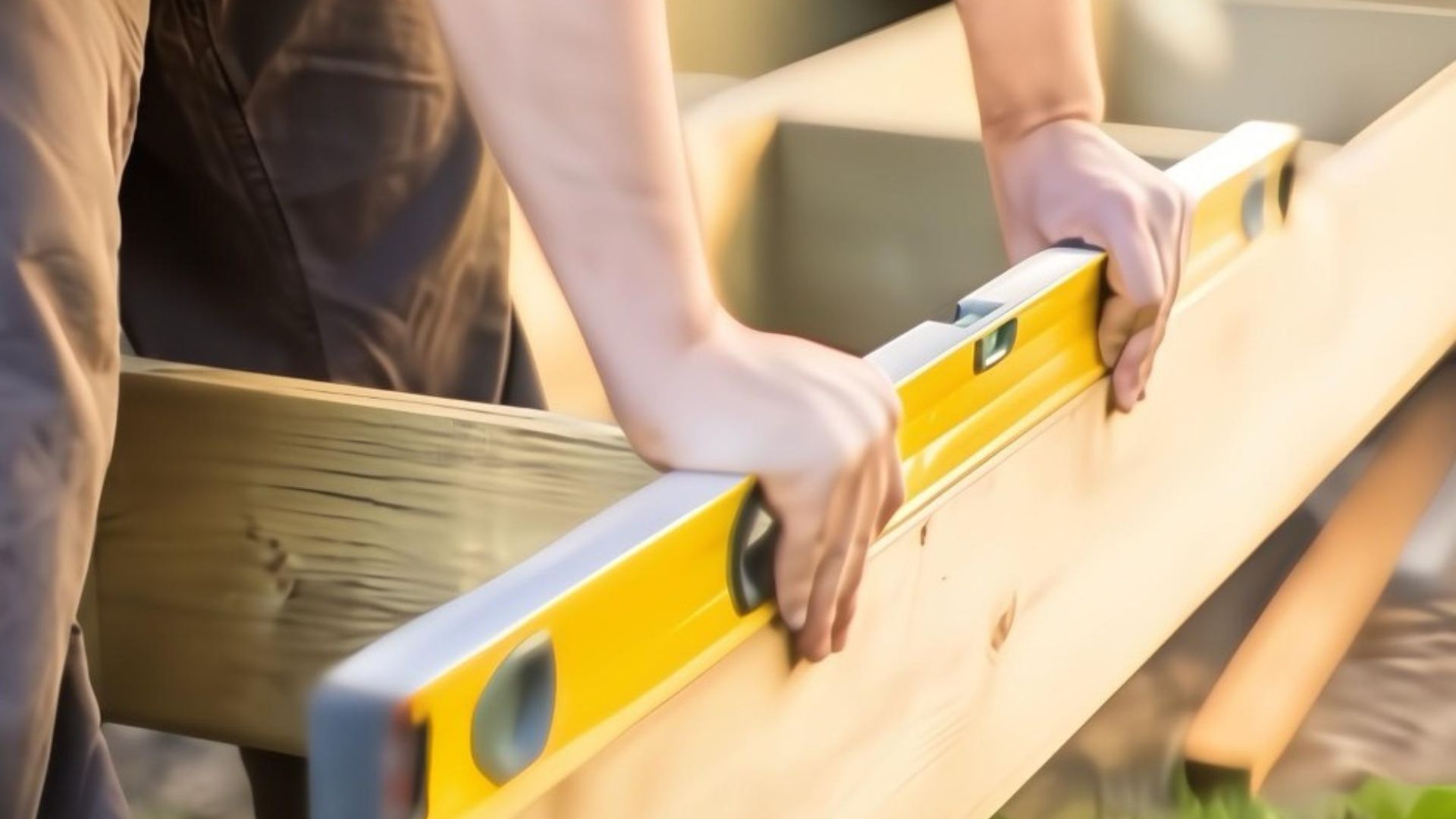
- “What’s holding this thing onto my house?” This question matters most, so don’t skip it. A board called the ledger attaches the deck to your house, and it must be flashed so rain can’t get behind it. When that’s done poorly, the house framing can rot slowly and quietly, and in the worst cases, decks have pulled away from homes entirely. If the answer relies on nails alone, keep asking questions. Our deck safety page goes deeper on this.
- “Are you pulling the permit?” Expect the city or county to require a permit and a few inspections for a new deck. A legitimate builder handles that process. If someone offers to skip it to save you time, or claims “it isn’t necessary,” they are hoping you don’t know better. If they aren’t comfortable having someone qualified inspecting their work, what else do you think they might be hiding?
- “What’s your warranty, exactly?” A composite deck has two warranties, and people often mix them up. The manufacturer covers the boards, and the builder covers the workmanship. Get both in writing. You can review our warranty for comparison.
- “Who’s going to be in my backyard?” Is it your own crew, or whoever happens to be free that week? When you have a question on day four, who answers the phone? You can meet our team before we ever pull into your driveway.
If you want a longer checklist, our choosing a contractor guide covers more ground.
The Triad Throws a Few Curveballs
Guilford, Forsyth, Davidson, and the surrounding counties each bring their own challenging weather conditions. We’ve worked on enough decks across all of these areas to know what to expect.
Shade, humidity, and heat are all big factors that affect how your deck performs over the years. In the Triad, yards often have large old oaks and loblolly pines, and the July humidity can feel heavy. These conditions are perfect for rapid decomposition of plant matter, including wood, which is a major reason people switch to composite instead of real, treated wood. Composite handles our climate far better, though a deck under heavy tree cover can still grow a little surface mildew. Today’s capped boards, wrapped in a tough polymer shell, are very different from the uncapped boards that gave composite its bad reputation 20-some years ago. If a builder quotes uncapped boards today, ask why. They may not be offering the best materials available.
Another reason composite performs so well is that it can handle pollen and heat well. Pollen arrives every April, leaving sticky, yellow residue everywhere it touches. If you’ve attempted to remove pollen from your patio or backyard living areas, you know the challenges it presents. Pollen is sticky, it can stain wood, and it can get in the eyes of your guests. On the other hand, pollen won’t stain composite, and a quick scrub is usually enough to remove it from your deck. Composite performs great in both cold and hot conditions, but you should carefully consider what color boards you choose. Darker colors absorb heat easily, so a brown or dark grey deck could become too hot for bare feet in the summer. Lighter colors and newer heat-mitigating lines help, especially if you add a pergola for extra shade, though they tend to show dirt more than darker colors.
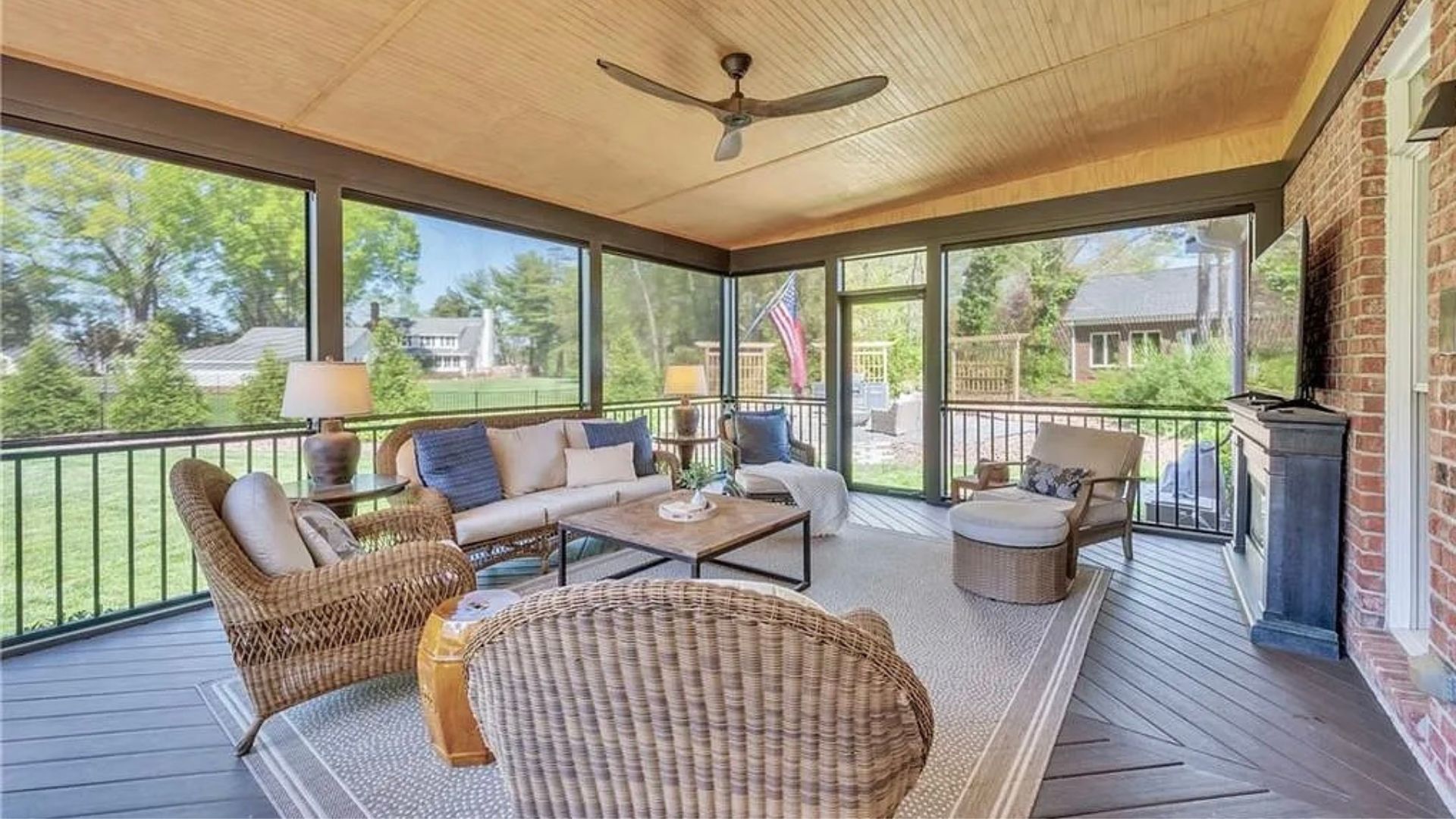
We build throughout the area, from Greensboro and Winston-Salem to outlying towns throughout the region. If you’re not sure we serve your neighborhood, our service area list will tell you!
Comparing Quotes - Is Your Deck the Right Fit?
Composite decking costs more than pressure-treated lumber up front. The savings come later, in the weekends you don’t spend power-washing, staining, and replacing cracked boards. Over time, the difference between a deck built by a licensed builder and someone who is not building decks to code becomes clear. Over the years, we’ve had many clients who, at first, didn’t want to pursue a deck from Archadeck due to the higher cost compared to someone else the customer found online. Soon after their decks were built, we received calls from the same customers, asking us for help to fix their deck. The builders they chose to partner with took liberties with construction methods, safety precautions, and other critical building elements, resulting in a deck that was both expensive and a hazard to health and safety. You will not experience this when you partner with the experienced team of licensed and insured builders at Archadeck. So, how can you tell when a builder might not be as reputable as you assumed?
When to Walk Away
- They want a large cash deposit before anything is designed or permitted
- There’s no written contract,
- They say, “We don’t usually bother with permits on decks”
- They get cagey when you ask about their license and insurance
- The price is well below everyone else’s, and nobody can explain why
- They rely on the old “this price is only good today” routine
How We Do It
We follow the same three steps on every project: consult, design, and build. We come out, walk the yard with you, and discuss how you plan to use your future outdoor living space. Based on your needs and preferences, we then design the deck and give you a price; not a range that climbs once the lumber arrives. After you sign off on the project, our crew gets to work, building with care and to code, delivering a fantastic finished product that will stand the test of time. To learn more about partnering with us, our process page has the details.
What People Ask Us All the Time
How long will a composite deck last? Built right, a well-crafted, capped composite deck can last 25 years, and plenty of products are rated for longer. The major brands offer extensive fade and stain warranties, though the fine print varies from one product line to the next.
Can you just put composite boards on my old frame? Maybe, but we’d have to see it first. Some older frames were built with wider joist spacing than most composite allows, and some have rot you can’t spot from the top. Anyone who says yes before crawling underneath is guessing.
.jpg)
Is it slippery? Less than you might think. Modern capped boards have texture and grip well when wet. Soggy oak leaves in November are a different story, so keep a broom by the door.
So when could it actually be done? Construction itself usually takes a few weeks, depending on size. Design and permits come first and take their own time. If you want to be grilling out there by May, winter is a great time to start the conversation.
Want Us to Take a Look?
If you’re anywhere in the Triad, give us a shout. We’ve been creating custom outdoor living spaces for the last 30 years, and as part of Archadeck’s national network, we have experience from over 135,000 projects across North America behind us.
Not ready to talk yet? Download our free design guide and start a wish list. When you are, check out our composite deck building services, call (336) 537-1561, or book a free design consultation. We’ll walk the yard with you and sort it out together.

Greg McNeer – Owner, Archadeck of the Piedmont Triad