Patio Installation In Louisville: Top Outdoor Patio Builders
Custom Patio Installation And Hardscape Design Services
Archadeck of Louisville provides patio installation and hardscape design services focused on creating functional outdoor living spaces that match the structure and layout of the home. A well-designed patio extends usable living space, improves yard accessibility, and provides a durable surface for daily use. Outdoor areas should be planned carefully so they remain comfortable, stable, and easy to maintain over time.
Patio design involves more than placing pavers or pouring concrete. The layout should reflect how the space will be used, how people move through the yard, and how the patio connects to the house. Sun exposure, drainage, and elevation changes all affect how the finished patio performs. Planning these details early helps prevent issues such as standing water, shifting surfaces, or unusable space during certain times of the day.
Evaluate Your Outdoor Space For Optimal Design
Before construction begins, the outdoor space should be evaluated to determine the best patio layout and materials. Careful planning helps create a space that fits naturally with the property and supports long-term use.
Key planning considerations include:
- Assess the size and shape: Measure the yard to understand layout possibilities and limitations.
- Consider sun and shade: Observe how sunlight moves across the yard throughout the day.
- Identify focal points and views: Decide which areas should be highlighted or screened.
- Lifestyle needs: Determine whether the space will be used for dining, relaxing, or entertaining.
Soil conditions and drainage are also important factors. Some areas have clay-heavy soil that expands and contracts with moisture changes, which can affect patio stability. Proper base preparation and grading help prevent movement and water accumulation.
Hardscape Materials And Construction Methods
Material selection affects both appearance and durability. Different materials perform better under certain weather conditions and levels of use. Choosing the right material helps the patio last longer and require less maintenance.
Common patio materials include:
- Concrete: A versatile option that can be finished in multiple textures and colors.
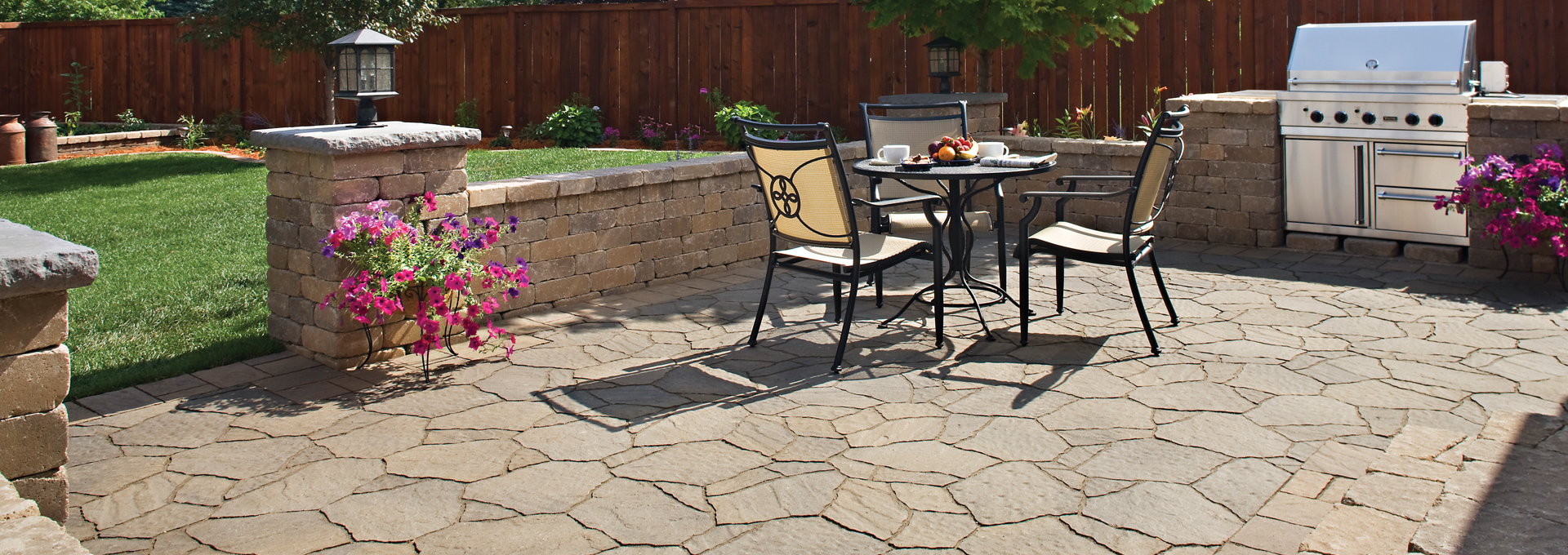
- Pavers: Available in concrete, brick, or stone, and suitable for patterned layouts.
- Natural stone: Provides a textured, natural appearance with strong durability.
- Porcelain pavers: Low maintenance and resistant to moisture and stains.
A strong foundation is critical for any patio surface. Installation typically includes excavation, compacted base material, leveling, and drainage planning. These steps help prevent sinking, cracking, and uneven surfaces over time.
Don't settle for a cookie-cutter backyard; design a custom patio that perfectly complements the historic charm of your Louisville neighborhood. Contact us to get started online or call (502) 673-1144
The Patio And Hardscape Installation Process
Patio installation follows a structured process to ensure consistent results. The process usually begins with a site evaluation to review yard slope, soil conditions, and existing structures. Measurements are taken so the design fits the available space and connects properly to entrances and walkways.
After the site evaluation, a design plan is created that outlines layout, materials, and project scope. Permits may be required depending on the size of the project, grading changes, or additional structures such as retaining walls. Once permits are approved, construction begins with site preparation and base installation.
Typical project steps include:
- Site evaluation and measurements
- Design planning and material selection
- Permitting and project scheduling
- Base preparation and drainage installation
- Patio surface installation and finishing
- Final walkthrough and maintenance review
Following a step-by-step process helps ensure the patio is installed correctly and performs as expected.
Legal Considerations And Local Guidelines For Patio Construction
Local building codes and zoning regulations may affect patio construction. Some projects require permits, especially if the work affects drainage, grading, or property boundaries. It is important to review setback requirements and property lines before construction begins.
Neighborhood associations may also have guidelines regarding materials, height changes, and overall design. Planning the project to meet local requirements helps avoid delays and ensures the patio complies with regulations.
Enhancing Property Value With A Patio Addition
A patio addition increases usable outdoor space and can improve overall property value. A well-designed patio creates a defined area for outdoor furniture, cooking, and gathering. This makes the yard easier to use and maintain compared to unfinished ground or grass areas that require regular upkeep.
Features such as seating walls, lighting, and walkways improve both function and appearance. These additions also improve safety by providing stable walking surfaces and better visibility at night. When designed to match the home and landscape, a patio becomes a long-term improvement rather than a temporary upgrade.
Frequently Asked Questions
1. What is the best material for patios?
The best material depends on budget, maintenance preferences, and climate conditions. Concrete, pavers, natural stone, and porcelain pavers are common choices because they offer durability and different design options.
2. How can hardscaping improve my backyard?
Hardscaping adds structure and organization to a yard by including patios, walkways, retaining walls, and seating areas. These features improve accessibility, reduce maintenance, and create defined outdoor spaces.
3. Do patios increase home value?
Patios can increase property value by adding usable outdoor living space and improving the overall appearance of the yard. Well-built patios are considered long-term property improvements.
4. Is a permit necessary for building a patio?
Some patio projects require permits, especially if they involve structural elements, grading, or drainage changes. Permit requirements vary depending on project size and location.
5. What features should I include in a custom patio?
Common patio features include seating walls, walkways, lighting, steps, and outdoor cooking areas. The best features depend on how the space will be used and the size of the yard.
Durable Patio Construction Built For Long-Term Outdoor Use
A well-constructed patio is designed to perform consistently under changing weather conditions and regular use. Proper grading, a stable base, and durable materials all contribute to a surface that remains level and functional over time. Attention to drainage helps prevent water buildup, while quality installation reduces the risk of shifting or cracking. When these elements are handled correctly, the patio becomes a reliable extension of the home that supports everyday activities without frequent repairs. Archadeck of Louisville applies these construction standards to ensure each patio is built for long-term performance and structural reliability.
Protect your investment from harsh freeze-thaw cycles with high-performance pavers and weather-resistant sealants. Contact us to get started online or call (502) 673-1144