Screened Porches in Boise
Enjoy a Comfortable Outdoor Space
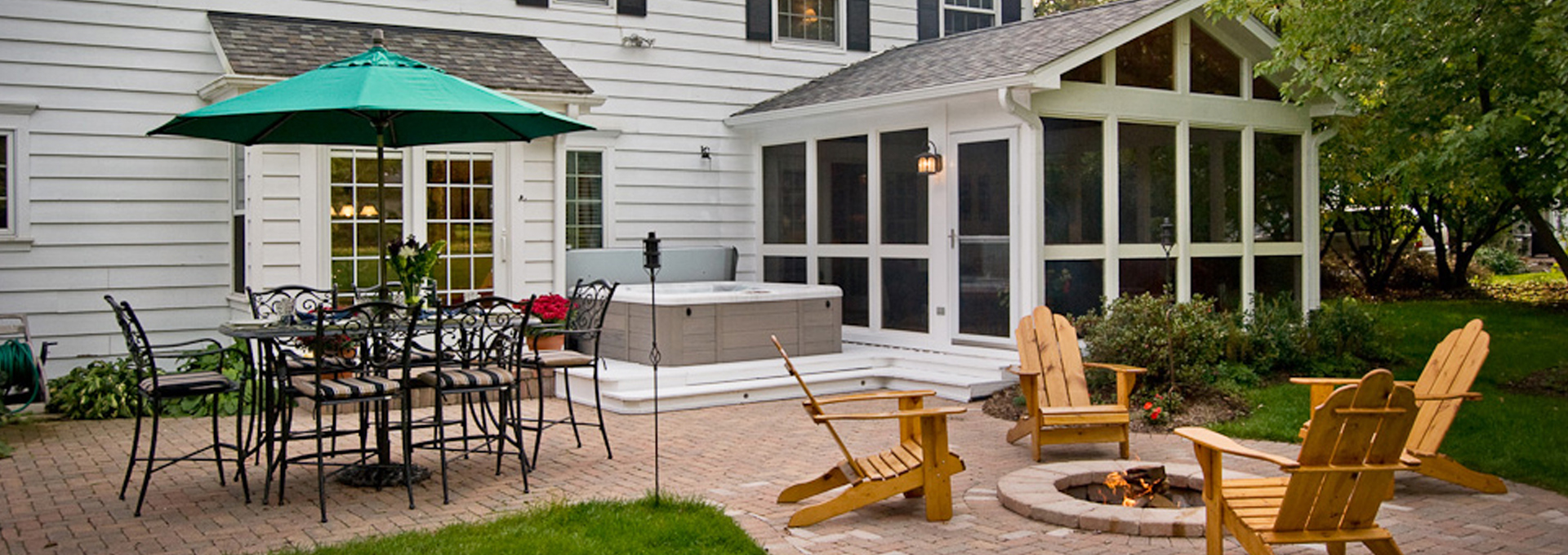
Archadeck of Boise designs and builds screened porches that allow homeowners to enjoy the outdoors while remaining protected from insects, wind, and sudden weather changes. A screened porch creates a transitional space between the indoors and outdoors, offering the comfort of a covered area with the fresh air and views of the surrounding landscape.
In Boise, outdoor living spaces are widely used during the warmer months, and a screened porch can make that experience more comfortable. By adding a protective screen enclosure and a roof structure, homeowners can spend time outside without dealing with mosquitoes, direct sun exposure, or light rain. The result is a space that works well for quiet mornings, family meals, or casual gatherings.
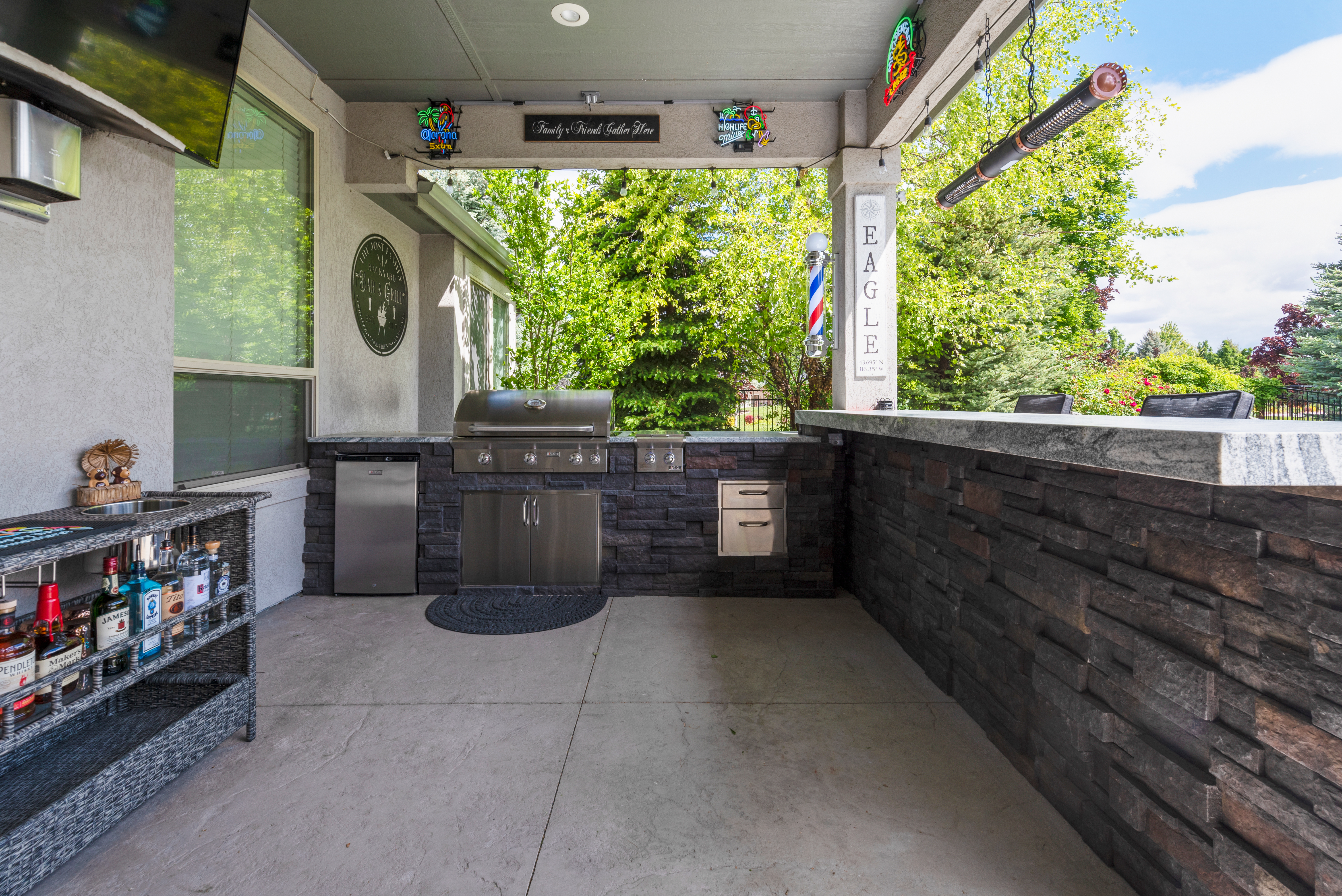
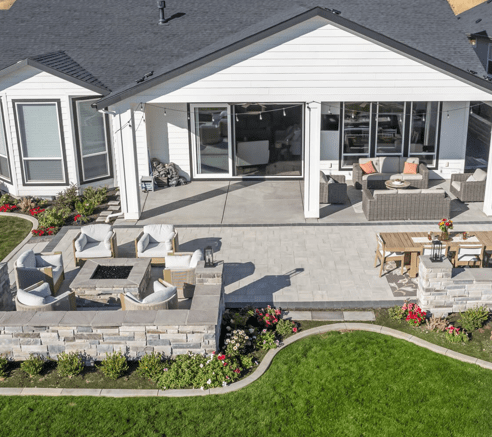
A well-designed porch should feel like a natural extension of the home. The design process focuses on matching rooflines, materials, and proportions so the new structure blends with the existing architecture. Thoughtful planning also helps the porch connect smoothly with nearby outdoor areas such as outdoor patios and hardscape spaces, creating a cohesive environment that supports everyday outdoor living.
Why Homeowners Add Screened Porches
Screened porches provide several functional benefits that make them a popular addition for many homes. Beyond simply adding square footage, they improve how homeowners interact with their outdoor environment.
Protection From Insects and Weather
The most immediate benefit of a screened porch is protection from insects while maintaining airflow. Screens keep mosquitoes and other pests outside while still allowing natural breezes to move through the space. A covered roof structure also helps shield the porch from light rain or intense sunlight.
Extended Outdoor Living Space
A screened porch effectively expands the usable living area of a home. With proper layout and furniture placement, it can function as an outdoor dining area, lounge space, or casual gathering spot. In many homes, screened porches connect directly to kitchens or living rooms, making them convenient for daily use.
Some homeowners also plan their porch as part of a larger outdoor design that may include custom sunrooms for year-round enjoyment or other sheltered areas. These combinations allow the property to support outdoor activities in multiple seasons.
Custom Screened Porch Design
Every property has different layout constraints and architectural features. For that reason, each screened porch design begins with a detailed evaluation of the home and yard.
Planning the Porch Layout
The design stage focuses on determining the best size, orientation, and connection points for the porch. This includes reviewing door locations, roof slopes, and available yard space. Proper placement helps ensure the porch receives natural light without becoming overly exposed to afternoon heat.
Interior flow is also considered during planning. Walkways, furniture placement, and access to the yard should all feel natural so the porch functions like a true outdoor room.
Matching the Existing Home Design
To maintain visual consistency, the porch structure is designed to match the home's architectural style. Roofing materials, trim details, columns, and railings are selected so the addition blends with the house instead of appearing separate.
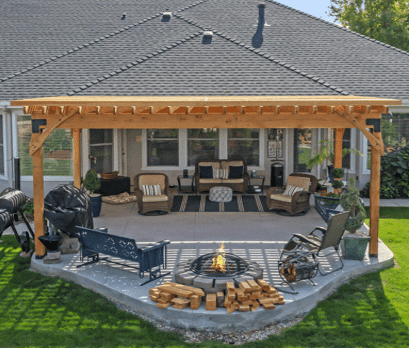
In some projects, homeowners may want their screened porch to connect with nearby outdoor structures. For example, a yard may include custom gazebos and pavilions that provide additional covered gathering areas. Designing these elements together can create a balanced and cohesive outdoor environment.
Increase your home’s livable square footage and resale value with a custom-screened porch that echoes your home’s original craftsmanship and style. Contact us to get started online or call (208) 271-9635.
Materials and Screen Options
Selecting appropriate materials is an important step when building a screened porch. Materials must perform well in local weather conditions while maintaining their appearance over time.
Structural framing typically uses pressure-treated lumber or engineered components that provide strength and stability. Flooring materials may include wood decking or composite boards designed for outdoor durability.
Screen systems are available in several configurations, depending on the needs of the homeowner.
- Standard Fiberglass Screens: Provide reliable airflow and insect protection.
- Heavy-Duty Pet Screens: Designed with stronger fibers to resist scratching or tearing.
- Removable Screen Panels: Allow sections of the porch to be opened or replaced if needed.
Material selection also considers maintenance requirements. Many homeowners prefer products that resist moisture, fading, and seasonal temperature changes.
Construction Considerations for Homes
Building a screened porch involves more than installing screens and a roof. Structural planning ensures the new addition safely connects to the home and complies with local construction standards.
Structural Integration
A screened porch must be supported by properly sized footings, posts, and beams. These structural components carry the weight of the roof and ensure the porch remains stable over time. The design also accounts for how the new roof will connect to the existing home structure.
Drainage and gutter placement are reviewed so rainwater flows away from the porch and foundation.
Climate and Seasonal Factors
Outdoor structures in Boise must handle seasonal weather variations, including hot summers and winter snowfall. Proper roof pitch, structural supports, and durable materials help the porch perform well throughout the year.
Planning for airflow is also important during the warmer months. Ceiling fans, shade orientation, and open screen walls can help maintain comfort during hot weather.
Screened Porch Construction Process
Constructing a screened porch generally follows a structured process to ensure quality and efficiency.
Consultation and Design Development
The process begins with reviewing the homeowner's ideas and evaluating the property. Measurements are taken, and design concepts are developed based on the desired size, layout, and features.
Permits and Project Preparation
Some screened porch projects require permits depending on the structure and local regulations. Planning documents may include site measurements, design drawings, and structural details.
Construction and Final Review
Once preparation is complete, construction begins with foundation work and structural framing. Roofing, screens, and finishing details are then installed according to the approved design.
The completed porch is reviewed to ensure the project meets design expectations and construction standards.
Frequently Asked Questions
1. What are the benefits of a screened porch?
A screened porch allows homeowners to enjoy fresh air while remaining protected from insects and light weather conditions. It creates a comfortable outdoor space that can be used for relaxing, dining, or entertaining.
2. How long does a screened porch construction take?
The construction timeline varies depending on the design, size, and permitting requirements. Many projects take several weeks from design approval through final construction.
3. Do you handle permits and compliance?
Screened porch projects may require permits depending on local regulations. Construction planning typically includes preparing documents and ensuring the structure meets applicable building standards.
4. Can I customize the features of my screened porch?
Yes. Screened porches can include a variety of design features such as ceiling fans, lighting, seating areas, or integrated outdoor dining spaces.
5. What is the cost of building a screened porch?
Costs vary depending on size, materials, and structural complexity. Design choices such as roofing style, flooring materials, and additional features can influence the total project cost.
Screened Porch Design and Construction
Screened porches offer a practical way to expand living space while improving comfort outdoors. Careful planning, proper materials, and thoughtful design help ensure the new structure blends naturally with the home and functions well for everyday use.
At the conclusion of a project, Archadeck of Boise reviews the finished structure to confirm it aligns with the design plans and construction standards.
Upgrade your outdoor hosting with integrated lighting, ceiling fans, and space for a dining area that works perfectly for those warm nights. Contact us to get started online or call (208) 271-9635.

.jpg)