Three weeks in. Yard's torn up, timelines slipped, and the guy you hired stopped answering his phone. It happens to a lot of homeowners, and almost never because they picked someone sketchy. They just didn't know what to ask before they signed.
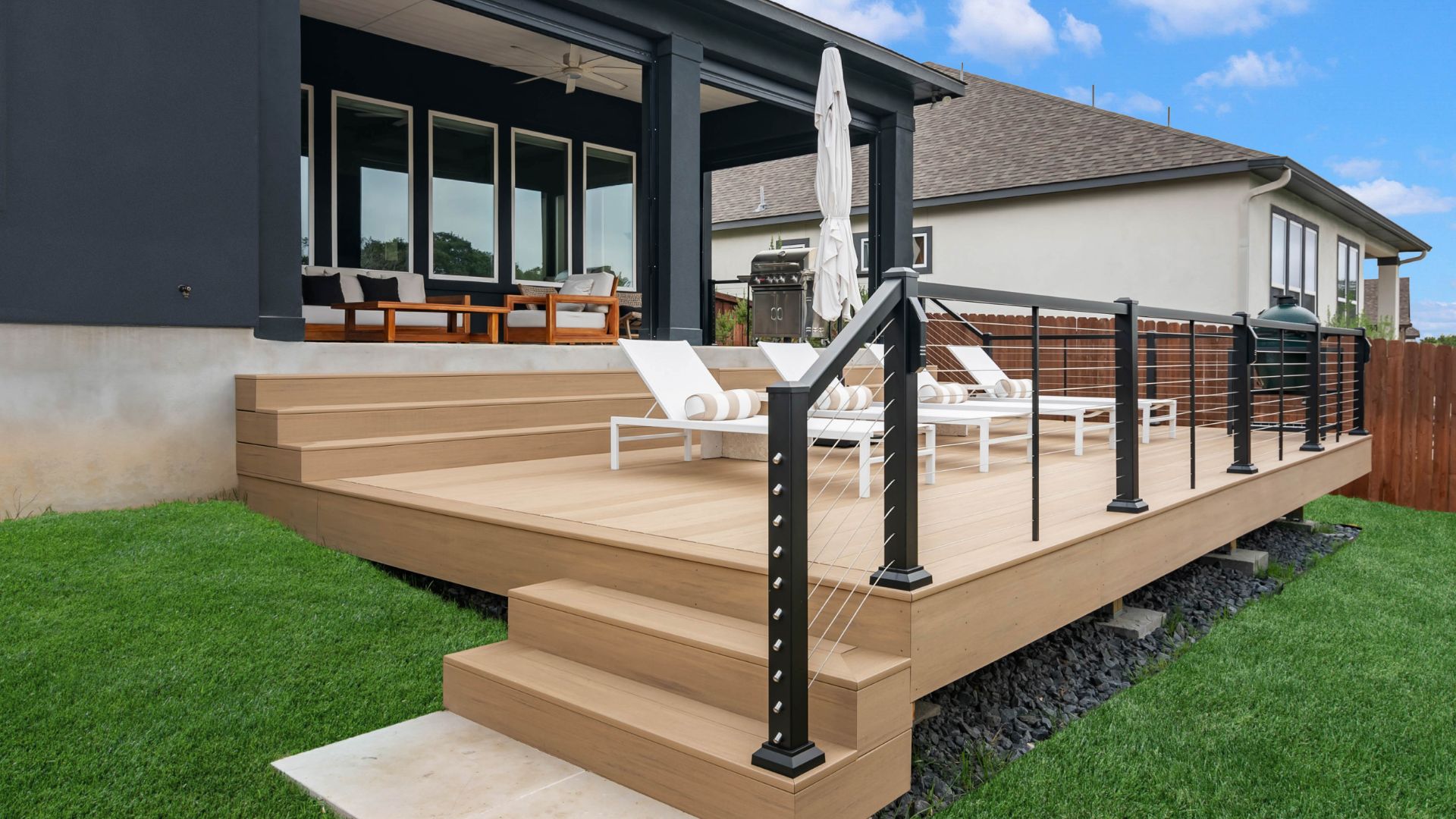
So, here's the actual rundown. Licensing and insurance, what they cover and what they don't. How to spot a scope of work that's just a placeholder. What the San Antonio and Hill Country climate does to outdoor structures over time. And why the cheapest number on the page usually isn't the cheapest project and will end up costing you more in the long run.
Licensing, Insurance, and Permitting
Much of Texas does not require a license. However, the City of San Antonio does require a license, which can often be very difficult to get. Archadeck of San Antonio is licensed in the City of San Antonio, giving our customers peace of mind.
Liability insurance is the one-line item most people have heard of. A worker damages your fence, a beam comes through a window, a pour cracks the irrigation line, that's what it's for. Ask for a certificate and check the date on it. And make sure you're named as an additional insured for the duration of the project. Not the contractor's crew. You.
Workers' comp is a different animal. Texas is one of maybe five states where it's not mandatory for private employers, so plenty of smaller crews just don't carry it. If someone gets hurt on your property and there's no coverage behind them, guess who's paying the hospital bill. Ask directly, don't assume.
Finally, let’s talk about permits. This is where people get burned the most, honestly. In Boerne, New Braunfels, Bulverde, Helotes, San Antonio proper, decks and covered patios, pergolas and screened porches almost always need one. If a contractor tells you your project doesn't need a permit and can't really explain why, push back. Skipped permits have a way of showing up again later, usually when you're selling the house or filing a claim and suddenly it's a problem.
What a Real Scope of Work Actually Says
“Build a covered patio” is not a scope of work. It's a wish. Here's what a real one covers.
- Material specs down to the brand, product line, color, finish. Not “composite decking,” the actual name of it.
- Footing depth and diameter, post size, spacing, and beam span tables, or engineer-stamped drawings if the project needs them.
- What's getting demolished, where the debris is going, whether your existing concrete or landscaping gets touched.
- Drainage. Where the water goes once the structure's up if it affects the project area.
- A timeline with actual checkpoints in it, not just a start date and an end date. Footing inspection, framing, and the final walkthrough.
- A change order process because something always comes up. Buried line, weird soil, whatever it is.
- A price that's either fully inclusive or broken out clearly enough that you know what you're paying for.
One thing nobody thinks to ask until it's too late: who's scheduling the inspections? Usually the permit holder, and that's usually the contractor. Get it in writing anyway.
What the Local Climate Actually Demands
This is where the budget guys cut corners you won't see for a couple years.
Heat and UV Rays
San Antonio gets sun on over 220 days a year, and UV doesn't treat every material the same. Composite decking is a good example, some brands hold up fine, cheaper ones fade and warp and chalk out within a couple seasons because the UV inhibitors and cap layer are thinner. Worth asking for the technical data sheet on whatever they're proposing.

Soil
Local soil is inconsistent. Clay-heavy in some spots, thin topsoil over limestone in others. That difference changes how footings should be designed, and a contractor running the same footing spec on every job regardless of soil is cutting a corner you won't notice for a while. Too shallow, too narrow, and expansive clay will heave it over time. Decks shift. Connections crack. Eventually something fails.
Wind
The Hill Country, for example, gets real wind, thunderstorm microbursts, and the occasional tornado. Pergolas, patio covers, pavilions, all of it needs to be engineered for uplift. Ask whether the design was built around local wind speed requirements. San Antonio follows the International Building Code with local amendments, and this is one of the places that matters most.
Wood and Moisture
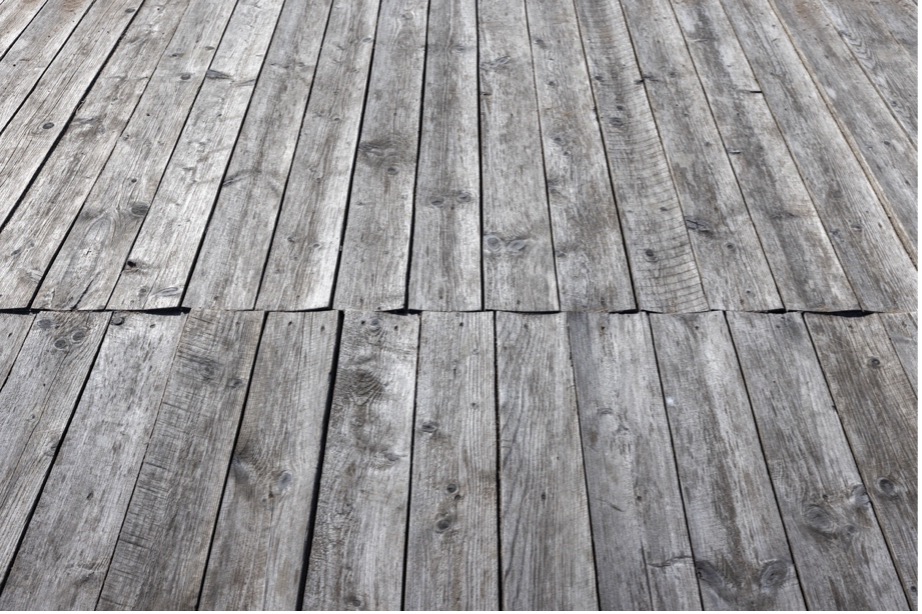
If wood framing's involved, species and treatment grade aren't a minor detail. Anything touching the ground needs a UC4B rating minimum. Above-ground work can use UC3B or UC4A. Standard dimensional lumber without pressure treatment in an outdoor, ground-contact spot? That's rot, just on a delay.
The Structural Side: Decks, Patios, Pergolas
None of this is decorative. It's engineering, whether people treat it that way or not.
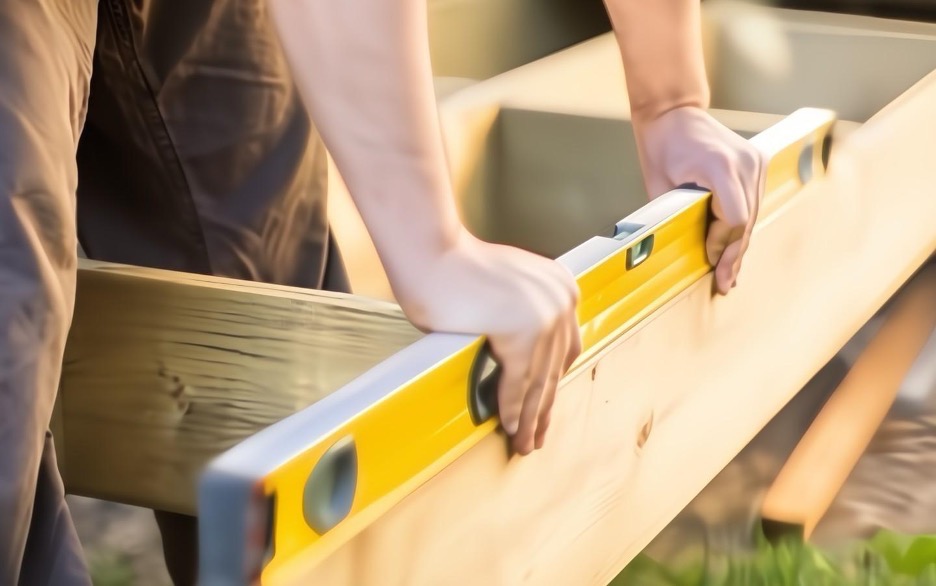
Ledger attachment is probably the most common botched part of the whole build. Wherever the deck ties into the house, that ledger board is carrying real weight onto the rim joist, and bad attachment is the number one cause of deck failures. The American Wood Council publishes a guide for this, DCA6, and a contractor who's never heard of it is a red flag by itself.
Joist sizing follows span tables based on species, grade, spacing. A 2x8 isn't a 2x10, and Southern Yellow Pine and Douglas Fir don't perform the same under load, so “wood is wood” isn't really an answer you should accept. Post bases beat direct-buried posts too, less rot, less insect damage, and manufacturers like Simpson Strong-Tie publish load ratings on their hardware for a reason.
Attached patio covers transfer real load into the house and usually need lateral bracing. Roof framing must handle dead load, meaning the material itself, and live load, meaning rain and whoever's up there doing maintenance. Wind uplift factors in too, this is especially crucial in San Antonio.
Even the roofing material choice, standing seam metal versus corrugated polycarbonate versus shingle-style panels, changes the spanning capability and the maintenance down the line. If a contractor can only talk about which one looks better, that's worth noting.
Freestanding pergolas need lateral stability built in. If it wobbles when you lean on it, the bracing's wrong or the post-to-beam connections are undersized. Knee braces handle it sometimes, through-bolted moment connections handle it other times, depends on the span and height.
And if you're adding a louvered roof or motorized shades later, that must be part of the original structural design. It's not a bolt-on. You can't just add the extra weight and wind drag after the fact and expect it to hold.
Comparing Bids Without Just Chasing the Lowest Number
Everyone says get three bids. Fine, but bids only mean something if they're apples to apples. One contractor specs TimberTech, while another specs some import brand nobody's heard of. One calls out 24-inch footings, the other doesn't mention footing depth at all. That's not two prices for the same job. That's two different jobs wearing the same jacket.
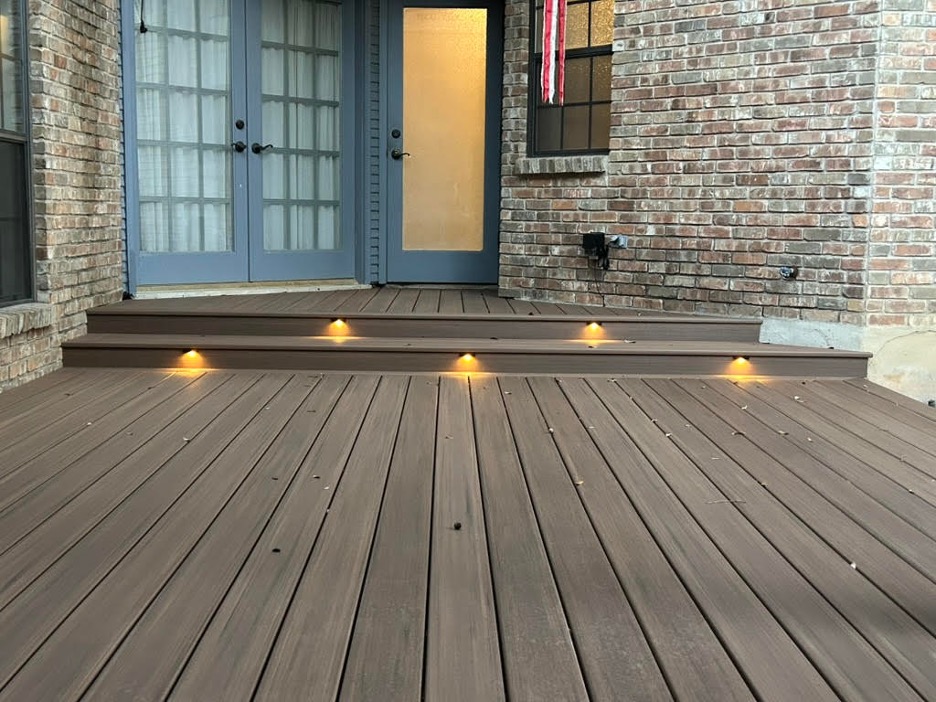
Push everyone to bid against the same scope or get a detailed breakdown from each and line them up side by side. Ask every one of them:
- Got references from the last year, ideally something close to what I'm building?
- What happens if you hit something unexpected mid-project?
- What's actually covered under warranty, in writing?
That warranty question separates people fast. “One year on workmanship” said out loud means almost nothing. A written, itemized warranty that splits structural coverage from cosmetic finish coverage means something.
Learn more about how Archadeck offers the best warranties in the business.
Red Flags
A few things should stop you cold, no matter how good the number looks.
- Big money up front. Some deposit's normal. More than 30–40% before materials are even ordered is not.
- No written contract, or something scribbled on the back of an invoice.
- Pressure to sign today, no time to read it.
- No real business address, just a phone number and a truck.
- Can't produce proof of insurance when you ask for it.
- Talks you out of pulling permits because it'll “add cost and time,” without explaining what that process even involves.
Why Local Experience Actually Matters
A contractor who mostly builds elsewhere in Texas, or just moved their operation here, probably hasn't run into the stuff that's specific to our local area. Soil profiles, permitting timelines by municipality, HOA rules in places like Fair Oaks Ranch or Timberwood Park, the wind exposure categories tied to this region specifically. All of it shapes how a project should be designed, not just built.
Someone with real experience in Boerne, Bulverde, New Braunfels, and San Antonio has already hit these walls and figured out what works. That's not something you can shortcut by hiring someone new to the market, no matter how good their portfolio photos look.
The Bottom Line
It comes down to a handful of things, really. Insurance and bonding. Whether they pull permits without being asked. How much detail is in the contract. Material specs that name real products. And whether they know this area or are figuring it out on your project. Price should be the last thing on that list, not the first.
If you're looking for a backyard contractor with decades of design-build experience across San Antonio and the Hill Country, Archadeck of San Antonio offers complimentary design consultations, fixed-price contracts, and some of the most comprehensive warranties in the outdoor living industry. Call us at (210) 702-3223 or get started online to schedule your consultation.

Neal & Rebecca Neathery – Owners Archadeck of San Antonio