Screened Porches in Bella Vista
Expanding Outdoor Living Space With Screened Porches
Archadeck of Northwest Arkansas designs and builds screened porches that allow homeowners to enjoy their outdoor spaces while reducing exposure to insects, rain, and excessive sun. A screened porch creates a sheltered environment that connects indoor comfort with the open air of a backyard.
Many homeowners want to spend more time outside but find that weather conditions or insects limit how often they can comfortably use a deck or patio. A screened porch addresses these challenges by creating a protected area where people can relax, dine, or gather with family and guests. The structure acts as a transitional living space that blends indoor and outdoor environments.
Designing a screened porch requires attention to the home's architecture, yard layout, and existing outdoor features. When the design aligns with rooflines, siding materials, and surrounding landscaping, the porch appears integrated with the home rather than added later.
Screened Porch Design Considerations
Matching Architecture and Layout
A screened porch should complement the structure and style of the home. Design planning typically begins by reviewing roof angles, window placement, and entry points from the house. These details influence how the porch will connect to the existing structure.
The layout also depends on how the space will be used. Some homeowners prefer a small sitting area with space for chairs and a side table. Others design larger porches that accommodate dining tables, lounge seating, or porch swings. Planning furniture placement early helps determine the appropriate porch size.
Traffic flow between indoor and outdoor spaces is another important design factor. Doors, steps, and pathways should allow easy movement between the home, yard, and other outdoor features such as decks or patios.
Comfort and Practical Features
Comfort features increase how often a screened porch is used. Ceiling fans help circulate air during warmer months, while well-placed lighting supports evening use. Screen materials are selected based on durability and visibility, and some products are designed to resist damage from pets or heavy use.
Flooring materials also affect long-term performance. Composite decking, pressure-treated wood, and other outdoor-rated surfaces are commonly used because they handle moisture and temperature changes effectively.
Upgrade your outdoor living with a screened-in space that matches your home’s existing roof pitch and trim for a flawless, built-in look. Contact us to get started online or call (479) 334-0603.
Construction and Structural Standards
A screened porch must be built with strong structural support so it remains stable through seasonal weather changes. Proper foundations, framing, and roofing materials contribute to the durability of the structure.
Builders typically follow established construction methods that meet local building codes. Footings and support posts are installed to carry the weight of the roof and framing system. Roofing materials are selected to match the home while providing reliable protection from rain and sun.
Material selection is important for long-term durability. Outdoor building products from manufacturers such as AZEK and TimberTech are often used for flooring, trim, and structural elements because they are designed to resist moisture, warping, and rot.
Screened Porch Features and Options
Screened porches can include a variety of features depending on the homeowner's preferences and the size of the space.
Common screened porch elements include:
- Seating areas designed for relaxation or conversation.
- Dining space for outdoor meals and gatherings.
- Ceiling fans to improve air circulation during humid weather.
- Lighting fixtures that support evening use.
- Durable flooring materials designed for outdoor conditions.
Some homeowners also incorporate decorative trim, railings, or porch swings to enhance the visual appeal and functionality of the space.
Integrating Screened Porches With Outdoor Living Areas
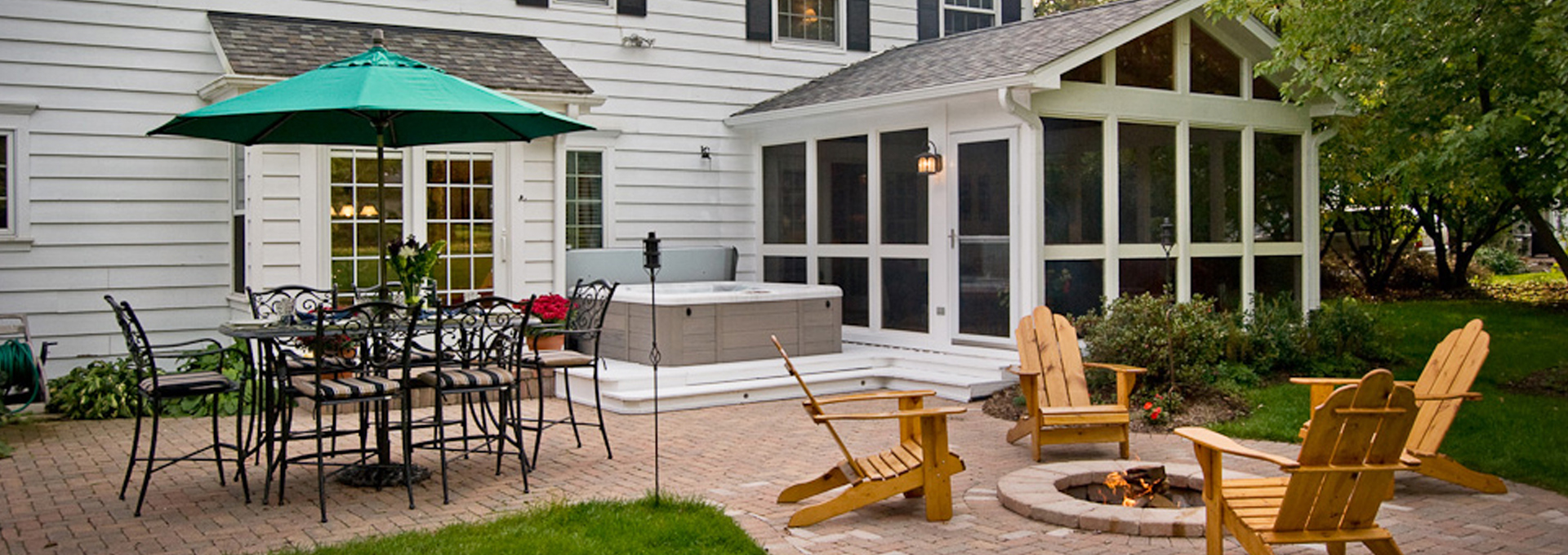
Screened porches often connect to larger outdoor living environments that include patios, decks, and landscaped areas. When these elements are designed together, they create a cohesive outdoor layout that supports multiple activities.
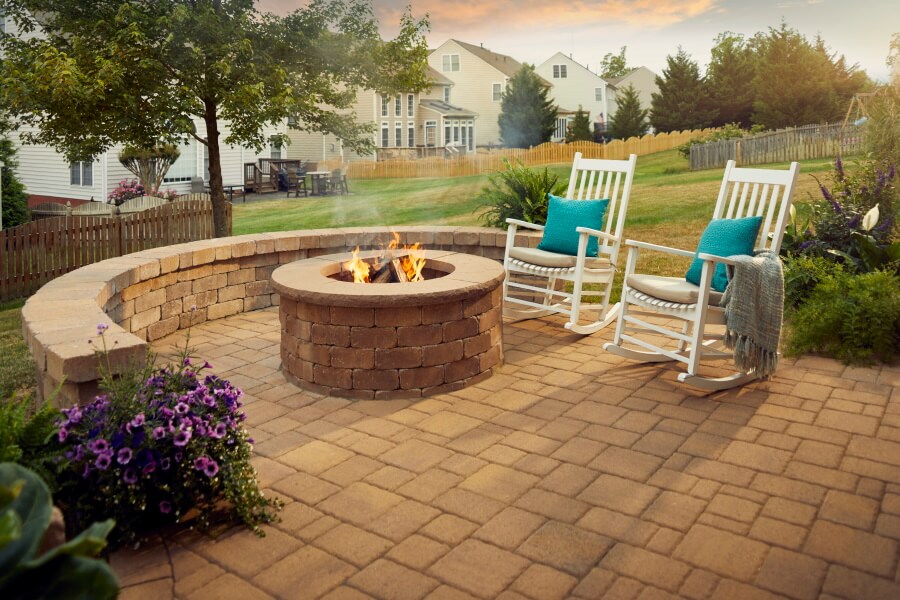
For example, a screened porch may open onto a patio used for grilling or fire features. In other cases, it may extend from a deck to provide a shaded seating area. Walkways and steps can link these spaces together, allowing easy movement between indoor and outdoor environments.
Thoughtful integration ensures the screened porch functions as part of a complete outdoor living design rather than a separate structure.
Long-Term Value of Screened Porches
A screened porch can increase the usability of outdoor areas while improving the overall appeal of a property. By providing protection from insects and weather, the space becomes suitable for a wider range of activities throughout the year.
Durable materials and careful construction practices contribute to long-term value. Surfaces designed for outdoor use help reduce maintenance needs and maintain the porch's appearance over time. Proper installation of screening and framing also helps the structure remain stable during seasonal changes.
Because screened porches create additional living space, they often become a central gathering area for households that enjoy spending time outdoors.
Frequently Asked Questions
1. How much does a screened porch usually cost?
The cost of a screened porch depends on several factors, including the size of the structure, the materials used, and the complexity of the design. Features such as roofing style, flooring materials, and electrical components can also influence the final cost.
2. How long will my screened porch project take?
Project timelines vary depending on design details, permitting requirements, and weather conditions. Many screened porch installations take several weeks from final design approval to completion.
3. Can a screened porch be built on an existing deck?
In some situations, an existing deck can support a screened porch if it meets structural requirements. Builders typically inspect the deck's framing and foundation to determine whether reinforcement or modifications are necessary.
4. What kind of maintenance does a screened porch require?
Maintenance depends on the materials used. Composite flooring and durable trim materials often require less upkeep than traditional wood surfaces. Regular cleaning and occasional inspection of screens and structural elements help maintain the space.
5. What warranties are available for screened porch construction?
Construction warranties may include coverage for structural integrity and workmanship. Specific terms depend on the project and materials used.
A Comfortable Outdoor Space Designed to Last
A well-designed screened porch creates a practical extension of the home by providing a sheltered outdoor space that can be used in a variety of ways. With the right structure, materials, and layout, the area becomes suitable for relaxing, dining, or spending time with family while still enjoying fresh air and views of the yard. Protection from insects and light weather allows homeowners to use the space more often throughout the year.
Careful planning also helps ensure the porch blends naturally with the existing home. When the roofline, trim, and materials match the surrounding architecture, the finished structure looks consistent with the original design of the property. Durable outdoor products and proper construction methods contribute to long-term performance, helping the space remain functional and visually appealing over time.
By focusing on structural reliability, thoughtful layout, and material durability, Archadeck of Northwest Arkansas builds screened porches that support everyday outdoor living while complementing the character of the home.
Our porches feature premium AZEK and TimberTech materials that resist rot and warping in our variable climate. Contact us to get started online or call (479) 334-0603.