If you're planning a deck project in Clive, you've probably heard that composite costs more upfront than wood. And that's true. But here's what a lot of homeowners miss: upfront cost and total cost are two very different numbers.
As one of the leading Clive deck companies, we help Iowa families understand what they're really paying for over the life of their deck. Sometimes composite makes perfect sense. Sometimes it doesn't.
Here's how to figure out which category you fall into.

Upfront Cost: Wood vs. Composite
When comparing wood and composite decking, the biggest difference most homeowners notice right away is cost. Wood, like pressure-treated pine, typically costs less upfront, which makes it appealing for budget-conscious projects. However, that initial price tag doesn’t tell the whole story. More on that in a moment.
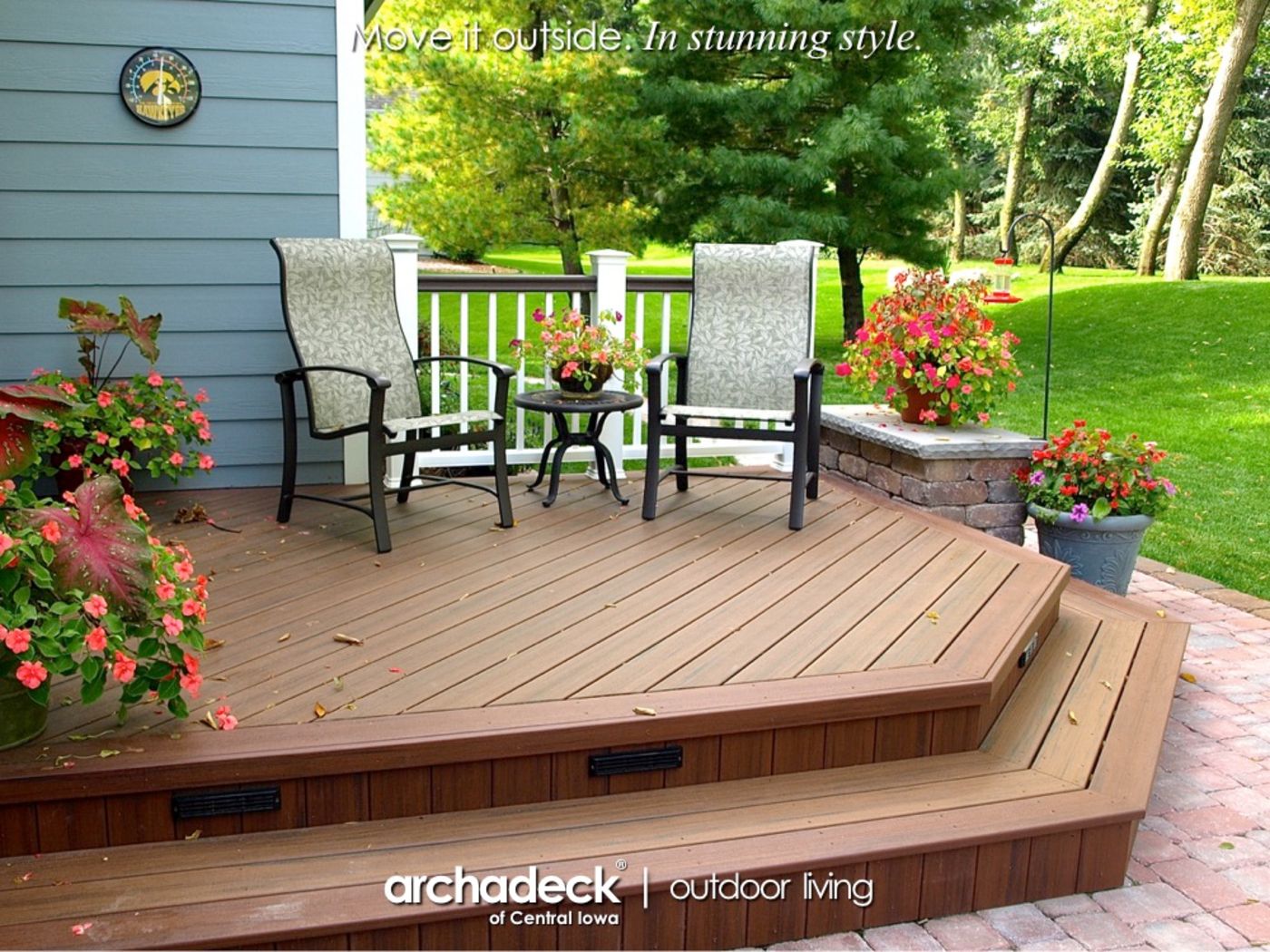
Composite decking flips that equation. It’s more expensive in the beginning, but it requires far less upkeep and is designed to last significantly longer. With only basic cleaning needed and long-term resistance to rot, warping, and decay, composite decks maintain their appearance with minimal effort. Over the life of the deck, many homeowners find that the reduced maintenance costs—and the extended lifespan—help balance out or even outweigh the higher starting price. So while wood and composite each have their place, the best value often comes down to how long you plan to stay in your home and how much maintenance you want to take on.
Maintenance Cost: Wood vs. Composite
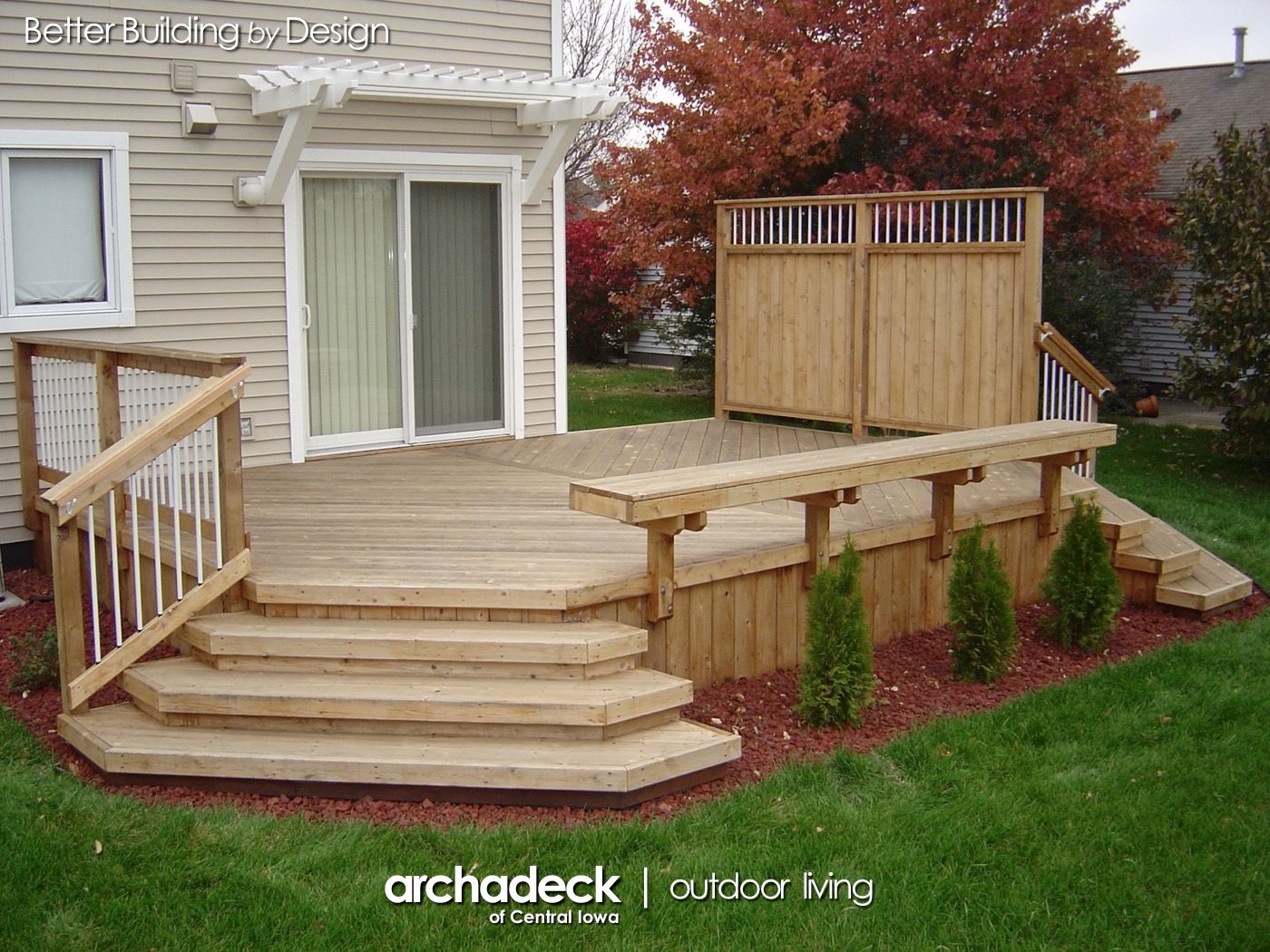
Wood decks need regular care to survive bad weather. For wood, that means annual cleaning and staining every 2-3 years. Composite, on the other hand, is often a lot cheaper regarding maintenance. For composite, the upkeep is simpler, requiring only basic cleaning with soap and water once or twice a year.
Deck Lifespan: Wood vs. Composite
Different materials tend to have different lifespans. As a general rule, you can expect the following materials to last about this long:
- Pressure-treated pine: 15-20 years (with proper maintenance)
- Cedar: 20-25 years (with proper maintenance)
- Newer composite materials: 25-50 years (with warranties to back it up)
It’s also worth remembering that Iowa weather doesn't make things easy on outdoor structures. Humid summers promote rot, freeze-thaw cycles crack and warp wood. Wood absorbs moisture, which means every wet spell and freeze accelerates deterioration. Composite resists moisture absorption, so it holds up better. Clive composite deck builders see this difference year after year.
Looking for “Deck Builders Near Me” To Help You With Your Next Project?
When you're comparing “deck companies near me,” look for contractors who walk you through tradeoffs between wood and composite. If you want to see what the difference looks like for yourself, you can always start with our composite decks gallery to see how these materials look after years of Iowa weather. You can also check out our best deck material comparison for more details.
For most Clive homeowners planning to stay in their homes for 10+ years, composite delivers better value over time despite the higher upfront cost.
It would be our distinct pleasure to meet with you for a no-obligation complimentary design consultation. Call Harold Cross and his team at 515-203-8734, or contact us using our online form.